Iran Prepares for All-Out War Amidst US Strike Threats
Iran is reportedly preparing for an all-out war in response to potential US strikes, viewing any attack as an existential threat. The nation's strategic calculations suggest a focus on making the cost of conflict too high for the United States, rather than aiming for conventional victory.

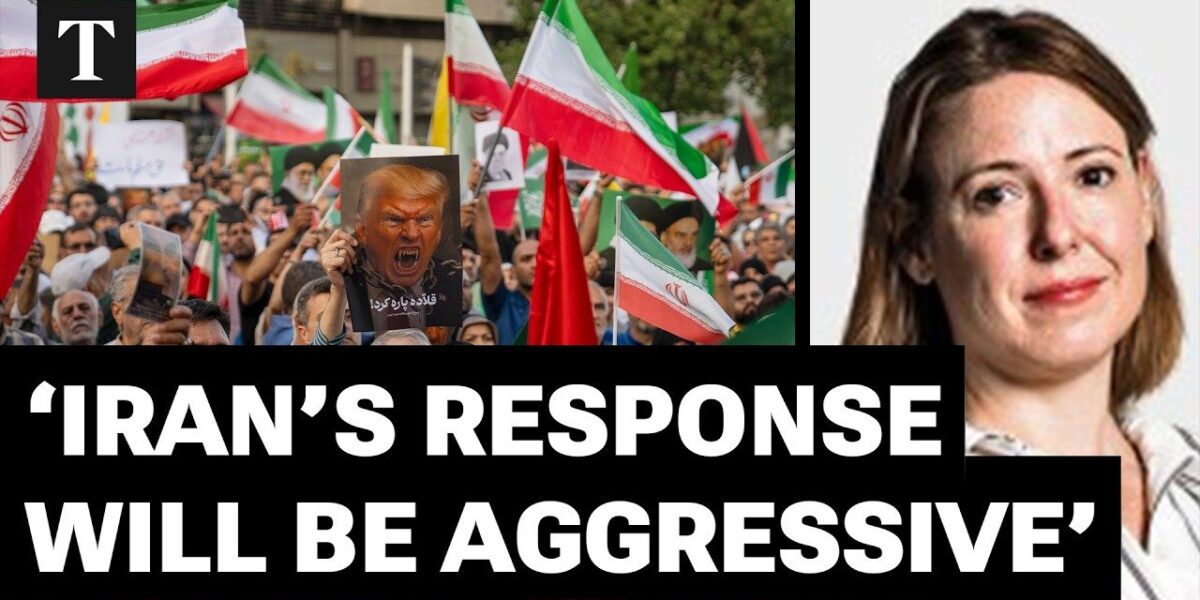
Iran’s Stance on Potential US Strikes Revealed
In a stark assessment of Iran’s strategic thinking, observers suggest the nation is preparing for an all-out war in response to potential military strikes from the United States. This comes as President Trump intensifies pressure on Tehran over its nuclear program, stating his preference for diplomacy but emphasizing that Iran will never be allowed to possess nuclear weapons.
The analysis, drawing on insights from individuals familiar with the Iranian leadership and regional dynamics, indicates that while Iran is not actively seeking conflict, it perceives any US strike as an invitation for an open-ended confrontation. The fear is that such an attack would leave Iran vulnerable to perpetual strikes, akin to the fate of Syria and Aleppo.
This strategic posture is reportedly informed by Iran’s leadership, including Supreme Leader Ali Khamenei, who has allegedly reorganized the country’s military command and established succession plans following recent tensions with the US.
“The consistent theme amongst them all is that whilst Iran is not seeking a war, it has not learned lessons from its recent entanglements with the US and Israel that would lead it to compromise.”
Diplomatic Stalemate and Perceived Capitulation Demands
According to reporting, Iran views the US demands as a call for capitulation on issues deemed fundamental to the revolution and its security. Past retaliations, even when faced with strikes from Israel and the US, have not deterred further threats, reinforcing a belief within Iran that a more robust response is necessary for self-preservation.
The article highlights a potential disconnect between the US administration’s understanding of Iranian motivations and the reality on the ground. A quote from President Trump’s senior emissary, Steve Wickoff, reportedly expressed curiosity as to why Iran had not capitulated despite the significant US military presence in the region. This contrasts with the reported mindset within the Iranian leadership, where the possibility of martyrdom in a ‘holy cause’ is contemplated, and preparations for an attack are underway.
Katherine Phelps, the Times’ World Deferred Editor, who authored the report, emphasized the need to understand Iran’s perspective, noting a perceived absence of coverage on this front. She stated:
“I wrote this story because I felt there was an absence of coverage of essentially the view from Iran. I mean, there’s been a lot of coverage of exactly what on earth Trump believes he’s going to achieve in Iran. Um, it’s very unclear. Um, we’ve certainly had a lot of commentary on that. Uh, I wanted to dive in with people who knew insiders and observers about what Iran was thinking and how they were responding to these threats.”
Escalation Risks and a Naive Belief in Control
The implications of such a confrontation are described as enormous, with the potential for an all-out regional war that could spiral beyond American control. The article suggests a “naive belief in Washington that they can control the way that this war goes,” a notion that Iranian preparations seem designed to challenge.
A key point of confusion is the US objective behind potential strikes. The article posits that the US military assets were moved into the region before a clear strategy was formulated, a move possibly influenced by perceived successes in other geopolitical arenas, such as Venezuela. However, it cautions against applying lessons from regimes like Venezuela to Iran’s deeply entrenched and ideological system.
Furthermore, the report points to a significant deficiency within the Trump administration: the lack of Iran experts. “The Trump administration actually doesn’t have any Iran experts left,” Phelps noted, suggesting that those involved in negotiations are ill-equipped to handle the complexities of the situation.
Iran’s Potential Response: A Multi-faceted Threat
In the event of an attack, Iran’s response is anticipated to be multi-faceted. This includes direct missile strikes against Israel, which have proven surprisingly effective in the past despite Israel’s advanced air defenses. The article cites the 12-day war in June, where Iranian strikes resulted in casualties and damage.
Strikes against American military bases in the region are also considered a likely component of Iran’s retaliation. While acknowledging that such actions would invite a stronger US response, the Iranian regime appears prepared to accept this risk, viewing the situation as existential.
The role of proxies, such as Hezbollah, is also discussed. Although these groups have been damaged by previous conflicts, the article suggests a “use it or lose it” factor may compel Iran to deploy them more assertively in a new conflict, especially given the potential vulnerability of Iran’s ballistic missile program. The report notes that Israeli Prime Minister Benjamin Netanyahu reportedly secured permission from President Trump to strike this program at will.
“The history that they see suggests to them that, you know, Trump has this reputation of ‘Taco Trump’ always chickens out.”
Calculations and Strategic Deterrence
Iran’s strategy appears to be focused on making the cost of an attack prohibitively high for the United States. The article references past confrontations, such as the Red Sea standoff involving the Houthis, where a costly and prolonged conflict led to a US withdrawal. This history informs Iran’s belief that President Trump may ultimately back down from a protracted engagement, especially with mid-term elections approaching.
The underlying calculation for Iran, therefore, is not necessarily to win a conventional war, but to inflict significant damage and create a quagmire that deters further aggression. The report concludes that while Iran acknowledges it cannot win a war, it believes it can make the cost too high for the US, potentially preventing an attack or forcing a de-escalation.
Looking Ahead
The situation remains highly volatile, with the potential for miscalculation on all sides. The coming weeks and months will be critical in determining whether diplomatic channels can prevail or if the region is indeed on the precipice of a wider conflict, shaped by Iran’s readiness to face, and potentially escalate, any American military action.
Source: Iran Are Ready To Face American Strikes (YouTube)

Related Articles


Trump: Iran Strikes Ahead of Schedule, Expects ‘Great Deal for World’
Three U.S. service members have been killed amid escalating conflict with Iran, President Trump confirmed. He stated that strikes are ahead of schedule, with senior Iranian leaders killed, and expressed optimism for a "great deal for the world" despite ongoing talks with Iranian officials.
Trump Agrees to Talks with Iran After Major Strikes
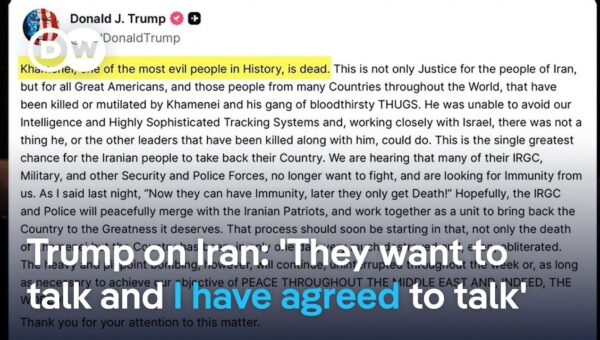
President Donald Trump has agreed to talks with Iran's leadership following coordinated strikes that reportedly killed key figures, including the Supreme Leader. While Trump claims significant military successes, U.S. strategy remains unclear, and public opinion shows limited support for the actions amid rising American casualties.

Trump’s Putin Stance: US Strategy and Global Implications
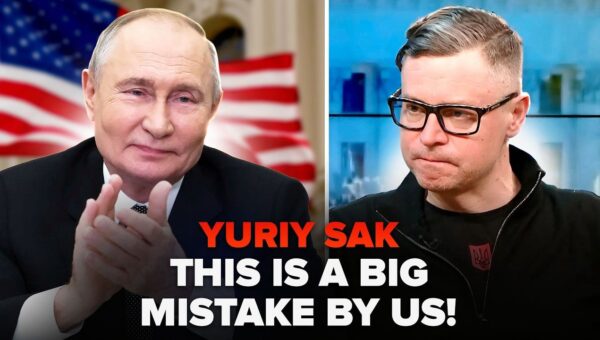
Analysis suggests Donald Trump's approach to the Ukraine war involves pressuring Kyiv, but US involvement is crucial for resolution. China's influence and the 'MAGA' agenda's geopolitical implications are key factors.