Iran Power Vacuum Looms: Expert Warns of Chaos Post-Ayatollah
Veteran war correspondent Anthony Lloyd warns of potential chaos in Iran as the country faces an uncertain future following the death of its Supreme Leader. He highlights the critical lack of a cohesive opposition force, drawing parallels to the instability seen in post-Gaddafi Libya.

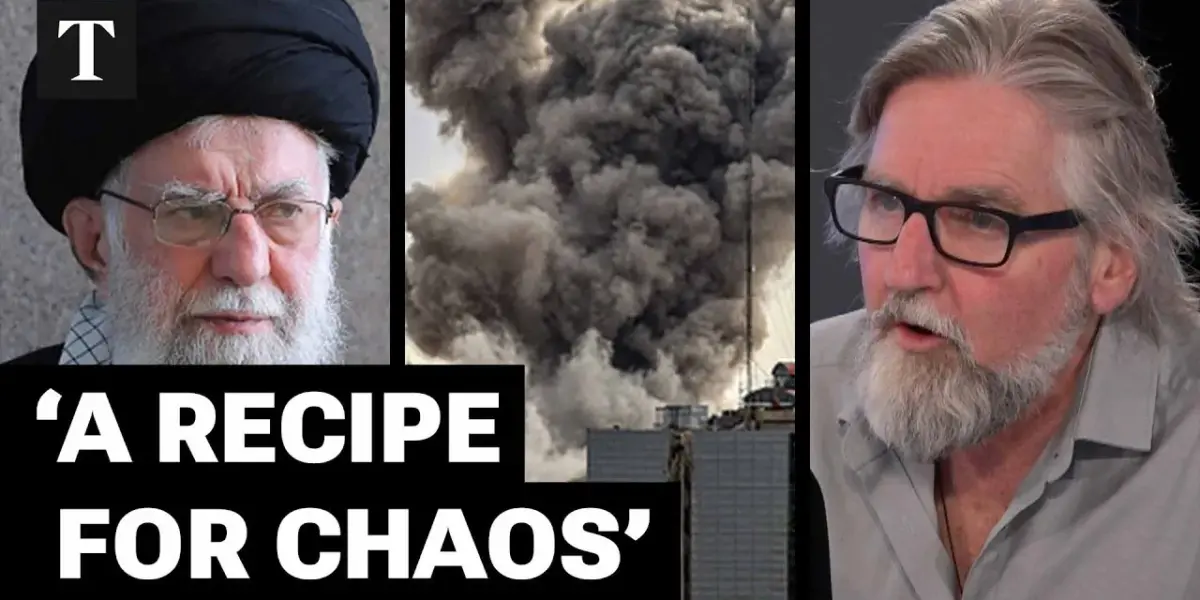
Post-Ayatollah Iran Faces Uncertain Future Amidst Chaos Fears
The potential for widespread chaos in Iran following the death of its long-standing Supreme Leader, Ayatollah Ali Khamenei, is a significant concern, according to veteran war correspondent Anthony Lloyd. Speaking in a recent interview, Lloyd, who has extensive experience covering conflicts and regime change attempts in the Middle East, expressed deep reservations about the lack of a clear, organized opposition ready to assume power.
The John Cantlie Case: A Story of Survival and Suspicion
The discussion also delved into the tragic and perplexing case of John Cantlie, a British photojournalist kidnapped by ISIS in Syria in 2012. Lloyd, who was instrumental in uncovering many of the unanswered questions surrounding Cantlie’s fate through The Times’ acclaimed podcast ‘Last Man Standing,’ detailed the journalist’s harrowing ordeal. Cantlie was initially captured by a radical group of foreign jihadis, including several Britons, and an NHS doctor. He managed to escape and his subsequent testimony became crucial in a terror trial.
However, Cantlie was abducted a second time in Syria and never emerged from captivity. He reportedly survived for four years, longer than most Western hostages, before his last known sighting during the intense battle for Mosul. Lloyd recounted the speculation surrounding Cantlie’s survival, with some suggesting he became a propaganda asset for ISIS, while others questioned if he was merely employing a desperate gamble to stay alive.
“These questions around him that filled the kind of silence of the news blackout led to a lot of suspicion and doubt, suggestions that he had turned, that actually he had sort of drunk the Islamic State Kool-Aid,” Lloyd explained.
The lack of definitive information, exacerbated by a Foreign Office-inspired news blackout intended to protect Cantlie, fueled these suspicions. It is now accepted that Cantlie died in Mosul. Lloyd emphasized the importance of clarifying Cantlie’s story, noting that unlike other Western hostages whose families were allowed public grief and recognition, Cantlie’s legacy was marred by unanswered questions. He highlighted the poignant detail of a memorial tree planted for Cantlie that had to be removed due to local Iraqis’ uncertainty about whether he was a hostage or a terrorist.
Regime Change Scenarios and the Specter of Civil War
Turning to the broader geopolitical landscape, Lloyd drew on his decades of experience, dating back to his service in the Gulf War in 1991. He voiced significant concern over the current situation in Iran, particularly the prospect of regime change without a viable successor in place.
Lloyd outlined four potential outcomes for Iran:
- Popular Uprising: A highly unlikely scenario where a popular uprising leads to a benign government that relinquishes its nuclear program and grants concessions to external powers.
- Repressive but Amenable Regime: A replacement regime that remains repressive but is more compliant with international demands, including handing over enriched uranium.
- Regime Survival: The current regime weathering the storm and enduring, potentially through a succession involving the Supreme Leader’s second son, Ebrahim Raisi’s son, Ham-son.
- Civil War and Implosion: The worst-case scenario of the country descending into civil war, with various revolutionary groups vying for control and potentially access to highly enriched uranium.
Lloyd underscored that the absence of a clear plan or a coherent opposition force makes a positive resolution difficult to envision. He likened the potential aftermath to the situation in Libya following the overthrow of Muammar Gaddafi, where a lack of unified opposition contributed to the country becoming a ‘somewhat of a failed state’ with ongoing violence.
The Danger of an Armed Opposition Void
Lloyd’s primary concern stems from the lack of an effective armed or coherent political opposition within Iran. He contrasted this with other conflicts where regime change has occurred, suggesting that in Iran’s case, it could be a ‘recipe for chaos.’ He elaborated on the challenges of externally driven regime change, referencing a point made by Professor Alon Ansari, an expert in Iranian history, that even degrading a regime’s military capabilities might not be sufficient if the opposition lacks any means to fight back.
“The problem that you’ve just raised, I think many have raised, is if the opposition don’t have weapons at all, even the reduction in the weapons that the regime possess, probably won’t be enough because they won’t have anything to fight whatever they have with,” Lloyd stated.
The veteran correspondent concluded that the current trajectory for Iran appears fraught with peril, with no easily discernible positive outcome on the horizon.
Looking Ahead
As the international community watches Iran’s internal dynamics closely, the focus remains on the potential for instability. The lack of a clear succession plan and the absence of a unified opposition present significant challenges. The coming months will be critical in determining whether Iran can navigate this period of uncertainty without succumbing to widespread conflict or prolonged chaos, with the world holding its breath.
Source: From Civil War Risk to Regime Rebuild: Times Expert Explains Iran’s Post-Ayatollah Chaos (YouTube)

Related Articles


Nuclear Shield: Why Putin Remains Untouchable by Trump’s Fury
The US-Israeli strikes on Iran highlight a critical geopolitical distinction: Russia's nuclear arsenal acts as an unassailable shield against similar direct action. This analysis delves into the nuances of international responses, the limitations of 'axis of evil' narratives, and the pragmatic nature of state alliances in a world grappling with disorder.

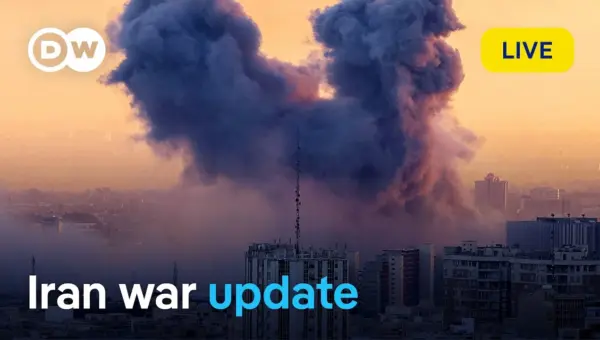
Middle East Erupts: Iran, US, Israel Escalate Regional Conflict
The Middle East is engulfed in a widening conflict as Iran, the US, and Israel engage in escalating strikes. With new explosions in Iran and attacks on Hezbollah in Lebanon, regional stability is severely threatened. The potential closure of the Strait of Hormuz looms, raising concerns about global economic impact.
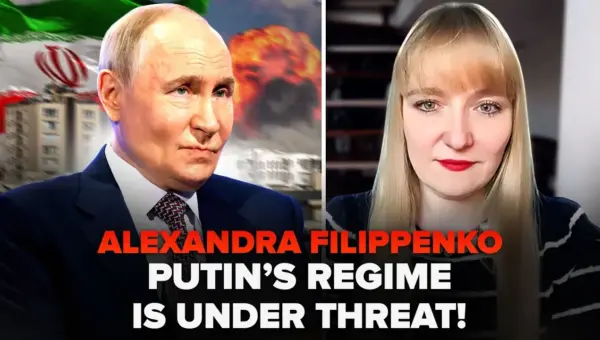
Putin’s Allies Falter: Russia’s Global Influence Shrinks
Russia's international standing appears to be diminishing as key allies face internal turmoil or leadership changes, leaving Moscow unable to provide support. The recent events in Iran and the potential blockade of the Strait of Hormuz highlight the fragility of global alliances and energy security.