Iran Plays for Time, Threatens Global Drug Supply
Iran's strategic use of the Strait of Hormuz as a geopolitical weapon is causing economic uncertainty. Simultaneously, U.S. reliance on China for essential prescription drugs poses a significant public health risk. Experts urge greater oversight and diversification of supply chains.

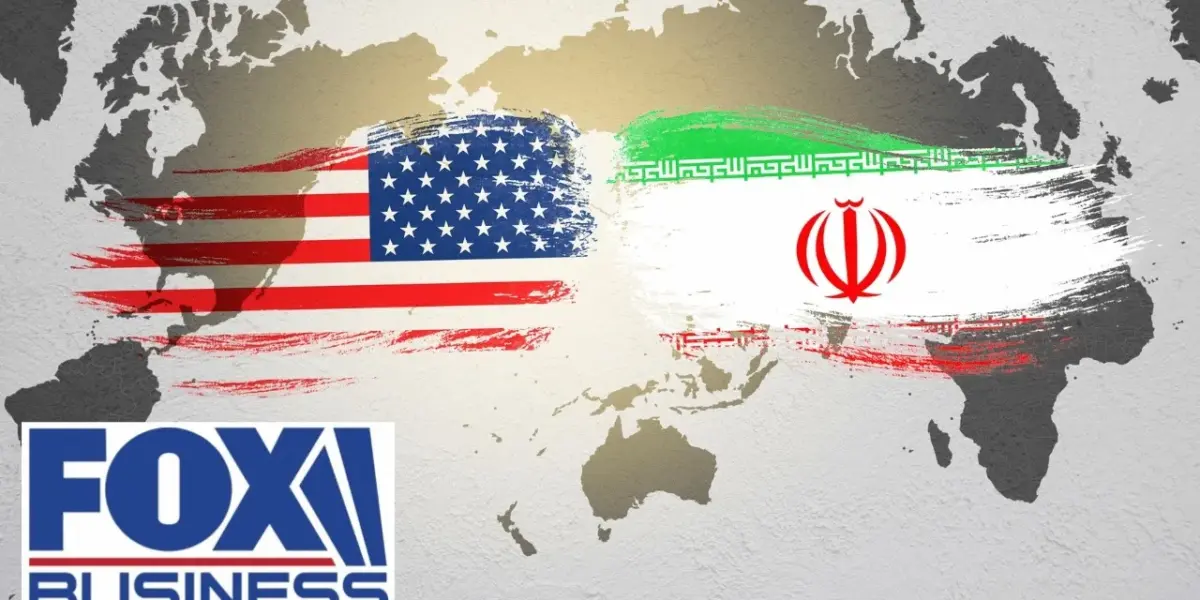
Iran’s Geopolitical Chess Game and U.S. Drug Dependency Revealed
Recent geopolitical maneuvers by Iran are causing concern, as the nation appears to be playing for time in international negotiations while also posing a potential threat to the global supply of essential medicines. Experts warn that this strategy could have significant economic and health consequences for the United States and its allies.
Strait of Hormuz: A Geopolitical Weapon
The Strait of Hormuz, a vital waterway for global oil transport, has become a central point in Iran’s geopolitical strategy. While the U.S. military has reportedly degraded Iran’s ability to directly harm passing ships, the mere threat of an attack is enough to disrupt shipping. Insurance companies react by raising prices, and companies become hesitant to transit the strait. This fear, amplified by Iran’s actions, effectively closes the strait to commerce, impacting the global economy.
Analysts suggest that Iran is using the closure of the Strait of Hormuz as a weapon, aiming to gain leverage in negotiations. The longer the strait remains under threat, the greater the economic pressure on nations reliant on oil passing through it. This tactic allows Iran to buy time, potentially weakening international resolve or forcing concessions.
U.S. Relies Heavily on China for Critical Drugs
Beyond the immediate concerns in the Strait of Hormuz, a more insidious threat has emerged regarding the United States’ heavy reliance on China for prescription drugs. This dependence includes essential medications such as antibiotics, asthma treatments, and diabetes drugs that millions of Americans need daily.
The problem is similar to the U.S. dependence on China for rare earth minerals, crucial components in many modern technologies. China’s dominant position in the pharmaceutical supply chain means that any disruption could have severe consequences for public health. The transcript highlights a concerning incident during the early stages of the coronavirus pandemic when a state-run Chinese newspaper hinted at the possibility of restricting the supply of key antibiotics to other nations. Such a move could be disastrous, especially during a global health crisis.
This dependence on China for our essential medicines should be a wake-up call for policymakers. We need to ensure the integrity of our drug supply chain from manufacturing to purchase.
Call for Stronger Oversight and Diversification
The potential for China to weaponize its control over the drug supply chain is a serious concern. Experts are urging policymakers to take immediate action to enforce existing laws and ensure greater transparency in pharmaceutical sourcing. This includes knowing the origin of every drug sold in the U.S. and verifying that it meets Food and Drug Administration (FDA) standards.
The long-term solution likely involves diversifying the sources of pharmaceutical manufacturing. Reducing reliance on any single country, especially one with whom geopolitical tensions exist, is crucial for national security and public health resilience. This could involve incentivizing domestic production or fostering partnerships with allied nations.
NATO’s Role and Allied Cooperation
The discussion also touched upon the role of the North Atlantic Treaty Organization (NATO) and the importance of allied cooperation. While President Trump has reportedly expressed a desire to reduce U.S. troop presence in NATO countries perceived as uncooperative, experts emphasize the continued value of the alliance.
Individual European nations have provided crucial support for U.S. operations, with countries like Germany and the U.K. offering vital basing and operational access. The Secretary-General of NATO has reportedly worked to maintain a strong relationship with President Trump, highlighting the alliance’s importance in projecting U.S. power and addressing global challenges. The hope is that increased cooperation from European nations can lead to a European-led coalition to help secure the Strait of Hormuz, demonstrating the strength of collective action.
Market Impact and Investor Considerations
The geopolitical tensions surrounding the Strait of Hormuz and the U.S. reliance on foreign drug supplies present distinct, yet significant, risks. For investors, understanding these dynamics is key.
Short-Term Implications:
- Energy Markets: Threats to the Strait of Hormuz can lead to increased volatility in oil prices. Any actual disruption would likely cause a sharp spike in energy costs, impacting inflation and consumer spending.
- Geopolitical Risk Premiums: Increased geopolitical tensions often lead to a general increase in market uncertainty. This can cause investors to move towards safer assets, potentially affecting stock market performance.
Long-Term Implications:
- Supply Chain Resilience: The issues highlight the fragility of global supply chains. Companies and governments will likely focus more on building resilience, potentially leading to reshoring or near-shoring of critical industries, including pharmaceuticals.
- Healthcare Sector Investment: Investors might consider companies focused on domestic pharmaceutical manufacturing or those developing innovative supply chain solutions. The increased focus on drug security could spur innovation and investment in this sector.
- Diversification Strategies: The reliance on single sources for critical goods, whether energy or medicine, is a growing concern. Investors should be aware of geopolitical risks that could impact companies with concentrated supply chains.
While immediate breakthroughs in the Strait of Hormuz negotiations seem unlikely, the U.S. remains prepared for military action if necessary. The broader implications, however, extend to the critical need for securing essential goods, particularly pharmaceuticals, and fostering stronger, more reliable international partnerships.
Source: Iran is playing this political game geopolitically—analyst explains how (YouTube)

Related Articles

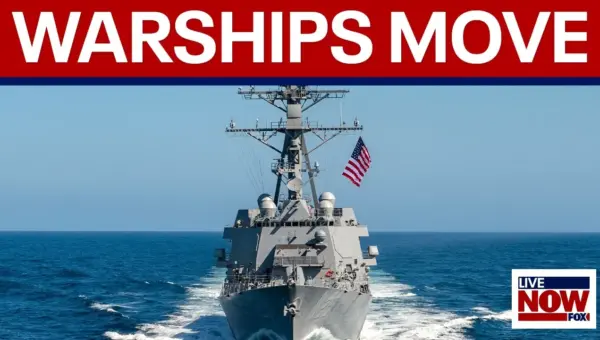
US Warships Clear Mines in Strait of Hormuz Amidst Talks
US Navy destroyers have cleared mines in the Strait of Hormuz, ensuring vital trade routes remain open. Meanwhile, Pakistan hosts critical ceasefire talks, with US Vice President JD Vance playing a key diplomatic role. Significant hurdles remain due to opposing demands from involved parties.


US Warships Challenge Iran in Hormuz Strait
U.S. Navy ships entered the Strait of Hormuz amid stalled Iran negotiations, conducting mine-clearing operations. Iran's threat to sink the vessels went unanswered, but diplomatic talks remain deadlocked over control of the vital waterway and other demands, complicating regional stability.
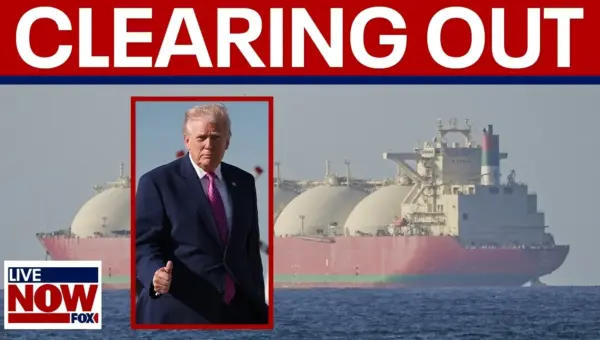
Trump Vows to Clear Strait of Hormuz, Cites Oil Shipments to US
Former President Donald Trump announced the U.S. is clearing the Strait of Hormuz, citing a need to help allied nations and noting oil ships are heading to the U.S. This comes as peace talks involving Vice President JD Vance are underway in Pakistan.