Iran Peace Talks Ignite: A New Era or Risky Gambit?
In-person peace talks between the US and Iran are set to begin, a move that follows significant military pressure from the US. Analysts debate whether Iran is genuinely seeking peace or using the ceasefire to regroup, highlighting the complex geopolitical strategies at play.

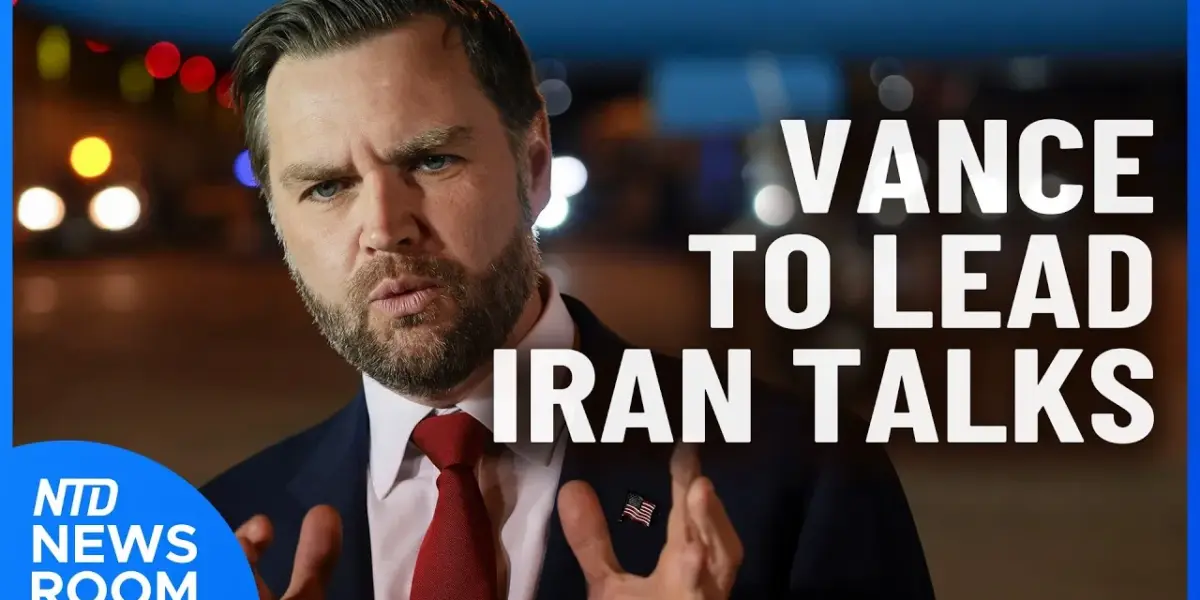
Iran Peace Talks Ignite: A New Era or Risky Gambit?
The White House has announced that in-person peace talks with Iran will take place this weekend in Islamabad. This significant development marks a potential turning point in international relations, with Vice President JD Vance, special envoy Steve Whitav, and Jared Kushner leading the US negotiating team. The administration is also working to clarify reports about a temporary ceasefire, disputing claims that the US accepted Iran’s 10-point plan. Press Secretary Levit stated that President Trump dismissed the initial plan, calling it garbage, and is now reviewing a more reasonable proposal from Iran.
This shift towards negotiation follows what the Pentagon is calling an “overwhelming victory” through Operation Epic Fury. The US believes Iran, unable to withstand further military action and facing a deadline, has agreed to a ceasefire proposal. A key part of this agreement includes Iran reopening the crucial Strait of Hormuz, a vital shipping lane. President Trump announced on Truth Social that Iran will not enrich uranium and that the US will work with Iran to remove deeply buried nuclear material. Furthermore, any country supplying military weapons to Iran will face a 50% US tariff, a move that could impact nations like China and Russia.
A Ceasefire Built on Shaky Ground?
The current two-week pause in strikes is contingent on Iran reopening the Strait of Hormuz. President Trump has even suggested a joint US-Iranian toll system for the waterway. However, the situation is complex. Reports suggest Iran’s public statements differ significantly from private communications with the US. This highlights President Trump’s unique approach to diplomacy, aiming to advance American interests and broker deals that prioritize the nation.
Middle East Affairs analyst David Worms from the Center for Security Policy offers a critical perspective. He describes Operation Epic Fury as a decisive military victory, stating Iran’s military is defeated, its government is devastated, and its ability to control its own territory and airspace has been exposed. Worms points to a successful rescue operation of US airmen near a major Iranian city as proof of US dominance.
“The reality is what Americans deal with. We are very straightforward people. Their leadership is dead. Their arm is destroyed. We control basically all the elements of their country – their air, their land, their sea. But the Iranians are playing for a game of perception and narrative.”
Worms explains that Iran’s government, which relies on an image of omnipotence, is trying to spin this situation as a victory to survive. This perception game, he warns, is dangerous because it could lead Iran to convince itself it won, potentially causing the ceasefire to unravel. He suggests Iran believes it has the upper hand, partly due to perceived US reluctance to endure high oil prices, especially impacting Europe and China.
Iran’s Strategy: A Game of Perception and Attrition
The Iranian regime’s strategy, according to Worms, is not about raw power but about manipulating the minds of its adversaries. This approach is compared to Hamas’s strategy in October 2023, where they sought a ceasefire to regroup, believing internal Israeli political tensions would lead to Israel’s collapse in a prolonged conflict. Worms sees a similar pattern with Iran, believing a war of attrition will ultimately lead to victory if they can endure the immediate aftermath and exploit internal weaknesses.
The internal state of the Iranian regime is described as dire. Its military is largely destroyed, and much of its leadership is gone, creating a power vacuum filled by factions vying for control. This internal instability, combined with the potential for popular unrest, makes the situation volatile. The regime’s efforts to import foreign fighters from Iraq, Afghanistan, and Tajikistan are seen as a move to shore up its control and suppress any potential uprisings.
The Opportunity for the Iranian People?
US Secretary of War Pete Hegath has suggested this situation presents an opportunity for the Iranian people to rise up. However, Worms expresses concern. A ceasefire might limit the effectiveness of actions like Israeli strikes on IRGC formations that were previously used to suppress demonstrators. The influx of foreign fighters also poses a challenge, potentially strengthening the regime’s hand in quelling dissent.
Economically, Iran might rebuild quickly by importing finished goods, bypassing a lengthy industrial reconstruction. Yet, the human cost is immense, with the potential for mass executions of prisoners and political opponents. Worms believes the Iranian people may gain more access to the outside world, understanding the extent of the regime’s damage, which could fuel their desire for change. However, he worries that the regime’s ability to import fighters and its willingness to use brutal repression might outweigh these factors.
Why This Matters
The unfolding situation with Iran is critical for global stability. The potential for peace talks, driven by military pressure, could reshape regional dynamics. However, the underlying issues of Iran’s nuclear program, its regional influence, and its internal political struggles remain significant challenges. The US strategy, as articulated by President Trump and his team, appears to be a high-stakes gamble, aiming for a swift resolution through pressure and negotiation. The success of these talks, and the stability of the region, will depend on whether Iran genuinely seeks peace or is merely playing for time and perception, as some analysts suggest.
Historical Context
The relationship between the US and Iran has been fraught with tension since the 1979 Islamic Revolution. Decades of sanctions, proxy conflicts, and nuclear disputes have defined their interactions. Previous attempts at negotiation have often faltered, leading to cycles of escalation. Operation Epic Fury and the subsequent ceasefire represent a departure from previous approaches, emphasizing a more direct and forceful strategy aimed at compelling Iran to the negotiating table.
Implications and Future Outlook
The future hinges on the sincerity of Iran’s commitment to the peace talks and its adherence to the ceasefire terms. If Iran continues its pattern of perceived deception and manipulation, the fragile peace could quickly collapse, leading to renewed conflict. Conversely, if the talks lead to a genuine de-escalation and a verifiable halt to destabilizing activities, it could usher in a new era of regional security. The involvement of international players like China and Russia, and their response to US tariffs on military supplies, will also play a crucial role in shaping the geopolitical landscape.
The internal situation within Iran, with its potential for popular uprising and factional infighting, adds another layer of unpredictability. The regime’s efforts to consolidate power through repression and foreign fighters could either stabilize its rule in the short term or sow the seeds of its eventual downfall. The coming weeks will be critical in determining whether this period of reduced hostilities leads to lasting peace or simply a temporary pause before further conflict.
Source: Vance To Lead Iran Peace Talks; Oil Prices Dropped When Cease-Fire Reached | NTD Newsroom (April 8) (YouTube)

Related Articles

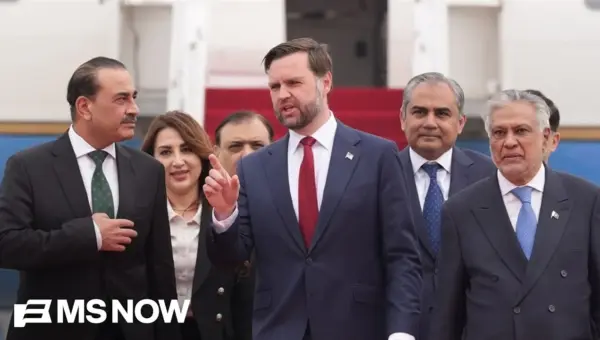
Iran Nuclear Deal Expert Warns Against Quick Deal Expectations
Robert Malley, a key negotiator of the 2015 Iran nuclear deal, warns against expecting a quick or easy resolution in current U.S.-Iran peace talks. He stresses that any agreement will require compromise from both sides, not surrender. Malley suggests the current talks may focus on immediate steps like reopening the Strait of Hormuz and sanctions relief, laying groundwork for future, more comprehensive discussions.

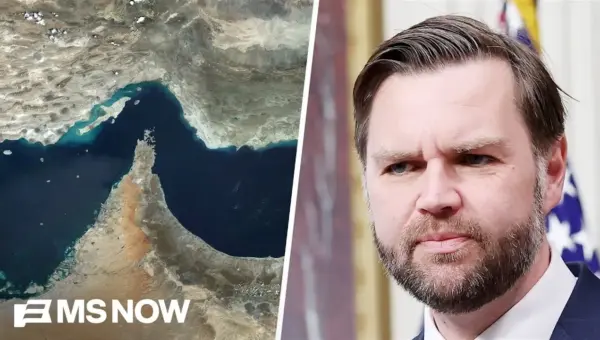
US Minesweepers Clear Strait of Hormuz Amid Peace Talks
U.S. forces have commenced mine-clearing operations in the Strait of Hormuz, a critical waterway, amid high-level peace talks with Iran in Pakistan. The operation, seen as a positive sign, occurs while diplomats discuss Iran's nuclear program and regional stability. Experts weigh the risks, Iran's strategic leverage, and the complex interplay of international relations, including Israel's ongoing military actions.

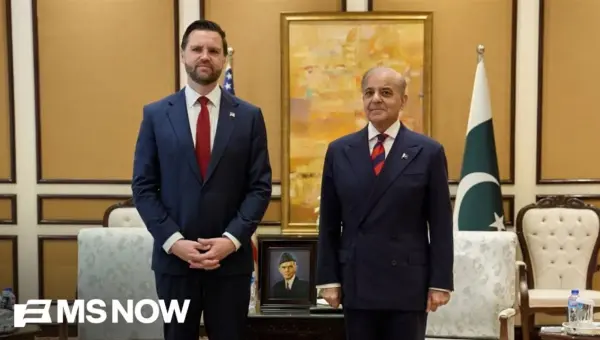
US, Iran Hold Landmark Peace Talks in Pakistan
Top U.S. and Iranian delegations are holding landmark peace talks in Islamabad, Pakistan, mediated by the Pakistani government. This marks the first direct meeting between the two nations in nearly 50 years, with Vice President J.D. Vance leading the U.S. side.