Iran Peace Talks Begin Amidst Confusion, Cautious Optimism
Peace talks between Iran and other nations have begun with a shaky start, marked by confusion over Lebanon's inclusion in the ceasefire deal. Key issues like the Straits of Hormuz and Iran's nuclear program are on the table. Despite the uncertainty, there are signs of cautious optimism for a diplomatic breakthrough.

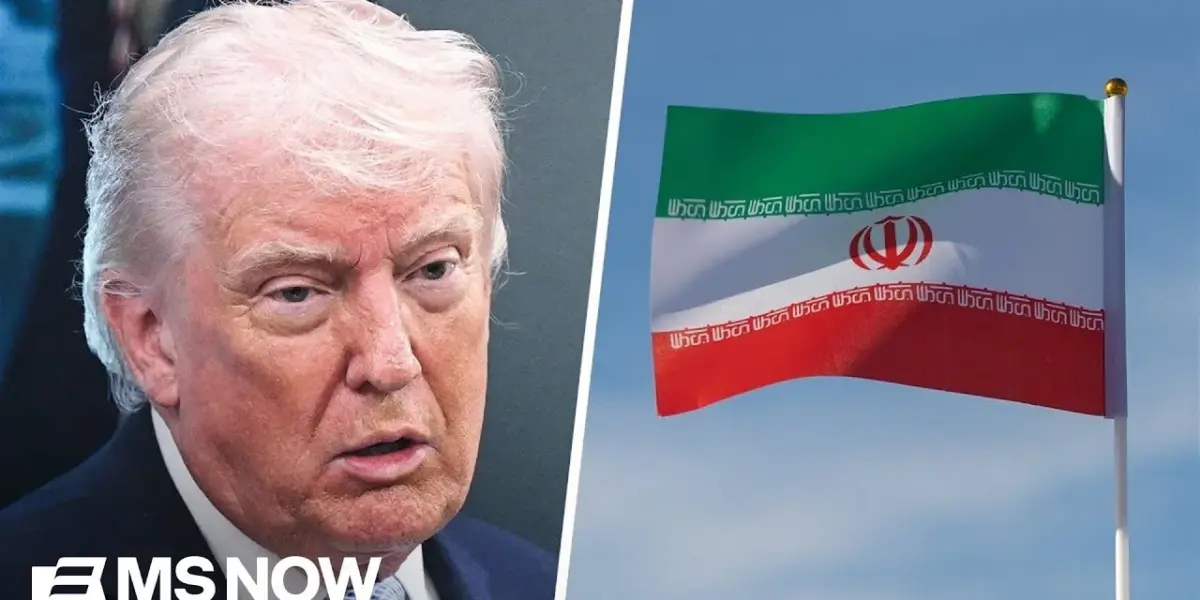
Peace Talks Kick Off with Uncertain Start
Peace talks between Iran and other nations are set to begin soon, but a cloud of uncertainty hangs over the proceedings. Rhetoric from Iran has left some questioning if they will even attend the scheduled meetings. This shaky start follows a fundamental disagreement over the inclusion of Lebanon in the ceasefire deal.
From the beginning of the ceasefire, Iran insisted that Lebanon be part of the agreement, forming a basis for discussions that they believed the U.S. had accepted. However, both the U.S. and Israel have stated that Lebanon was never on the table for these talks. Adding to the confusion, Pakistan, the mediator country where the talks are supposed to take place, claims Lebanon was initially part of the conversation.
This discrepancy raises serious questions. It suggests either a significant miscommunication and strategic errors, or a deliberate attempt to create an opening. This opening could allow Israel to continue actions in Lebanon, providing Iran with a clear reason to withdraw from the peace process.
Ambiguity and Potential Breakthroughs
Experts believe the situation involves a mix of miscommunication and intentional ambiguity from all sides. While these are indirect talks, a significant development is the scheduling of direct meetings between Israel and Lebanon at the State Department in Washington D.C. Ambassadors from both countries, along with the U.S., are expected to attend.
Both Israel and the U.S. have signaled a potential slowdown in actions within Lebanon. Despite Iran not yet officially confirming their attendance in Islamabad, there is an expectation that they will participate. Many do not believe the issue of Lebanon will ultimately derail these crucial negotiations.
Key Issues on the Negotiation Table
The core challenge lies in identifying the specific issues negotiators are willing to address. Several critical points are expected to dominate the discussions:
- The Straits of Hormuz: A firm agreement on how the Straits will operate and ensure passage for all ships is paramount. This is currently Iran’s main leverage against the United States.
- Enriched Nuclear Fuel: A decision must be made regarding Iran’s enriched nuclear fuel – whether it remains in the ground or is subject to further action.
- Ending the War: Determining the terms and conditions for ending the current conflict is a central objective.
The success of these talks hinges on the negotiators’ ability to reach agreements on these key points, which could lead to a lasting ceasefire.
Pakistan’s Role as Mediator
Concerns have been raised about whether Pakistan is a suitable and trusted partner for these sensitive negotiations. However, the general approach has been that trust is secondary to the ability to facilitate discussions. So far, Pakistan has shown success in bringing the negotiating parties together.
If negotiators can convene in Islamabad and begin a substantive process, it will offer significant insight into the possibility of achieving a permanent ceasefire. This would be a positive sign for regional stability.
Rhetoric and Strategic Goals
Recent statements, including those from President Trump on Truth Social regarding military readiness and the possibility of “conquest,” have drawn criticism. Such language is viewed by military and diplomatic professionals as inappropriate and counterproductive.
The focus should remain on achieving strategic outcomes, rather than on metrics like sinking enemy vessels, which do not align with the stated goals of the conflict. The confusion surrounding these talks may stem from a lack of direct involvement from professional diplomats, who are experienced in such complex negotiations. Iran, with its long history of diplomacy, may find less experienced negotiators challenging to engage with effectively.
Iranian Perspective: Cautious Optimism
Many Iranians are reportedly relieved that the war has ended, with daily life returning to normal in Tehran. There is a sense of hope that the U.S. is seeking a resolution and wishes to avoid restarting the conflict.
“When there is no war, when guns are silent, and when we can hash out our differences inside Iran, it’s better. Democracy, democratic activism has a better chance in peacetime conditions than under the war.”
– Hassan Zaid Abadi, lawyer and human rights activist
While some remain skeptical about the regime’s willingness to abandon its anti-Western stance, the general sentiment among democracy proponents is one of cautious optimism. Peacetime conditions are seen as more conducive to internal reform and democratic progress.
Potential for a Diplomatic Breakthrough
There is speculation about who the U.S. might be engaging with in Iran, particularly regarding potential partners for dialogue. Some believe the Speaker of the Parliament, a powerful figure with both pragmatic and repressive tendencies, could be a key player.
Despite the complexities, there are indications that a more moderate faction within Iran, including figures like President Pezeshkian and former President Rouhani, are cautiously supporting the Speaker. This suggests a possibility, however slim, that the Iranian team might be open to making a deal with the U.S.
Achieving a resolution will require a diplomatic miracle, and the path forward is not easy. However, there are reasons for cautious optimism as the peace talks commence.
Source: ‘Shaky start’ to Iran peace talks, but there are positive signs: Atlantic staff writer (YouTube)

Related Articles

Iran Tests Global Order Amid Strait of Hormuz Standoff
Peace talks loom as Iran's control over the vital Strait of Hormuz fuels global concern. Analysts question Iran's commitment to agreements, while regional demands and proxy conflicts complicate diplomatic efforts. The situation tests the international order and global energy security.


Iran War Looms as China Pushes for Deal
Confusion over draft registration changes and escalating tensions with Iran dominate geopolitical discussions. While China pushes for a diplomatic solution to prevent conflict, the US faces complex negotiations. Meanwhile, the First Lady addresses rumors, seeking to clear her name amidst ongoing scandals.

Trump’s Iran Deal Threatens US Credibility
Critics argue that Donald Trump's approach to a potential Iran ceasefire deal will result in a strategic humiliation for the United States. Concerns include Iran gaining more control over vital waterways and maintaining its nuclear program, while exposing U.S. military vulnerabilities and eroding regional credibility.