Iran Outmaneuvers Trump, Securing Global Oil Control
Iran has reportedly trapped Donald Trump in a deal granting control over the Strait of Hormuz and uranium enrichment, sending oil prices soaring. Trump's response involves lashing out at NATO and focusing on domestic ventures, while European allies urge a broader ceasefire. This situation signals a significant shift in regional power dynamics and global energy markets.

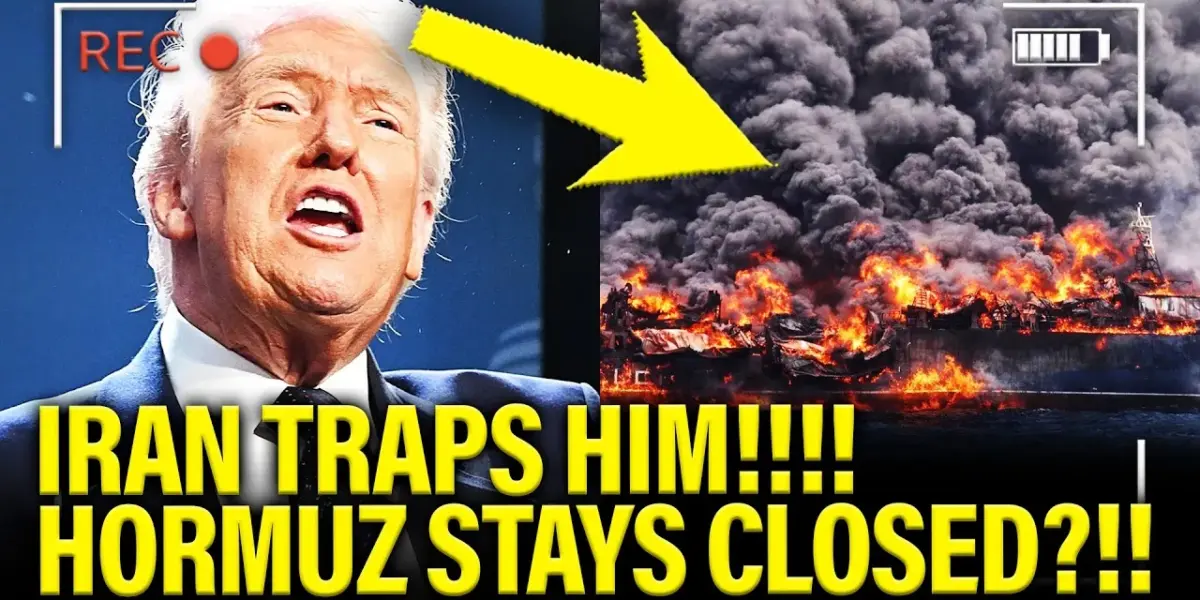
Iran Outmaneuvers Trump, Securing Global Oil Control
A recent analysis suggests that Iran has successfully trapped former President Donald Trump in a deal that grants Iran significant leverage over global oil markets and regional stability. This framework, presented as a 10-point plan by Iran, reportedly includes terms that allow Iran to enrich uranium, maintain control over the Strait of Hormuz, and secure the withdrawal of U.S. military bases from the Middle East. The situation has led to a spike in oil prices, with a barrel exceeding $100, reflecting market reactions to what is being described as a capitulation by the United States.
The 10-Point Framework and Its Consequences
According to reports and analyses, Iran’s 10-point negotiating framework was presented as a non-negotiable set of demands. The core of Iran’s leverage appears to be its control over the Strait of Hormuz, a critical waterway for global oil transport. By closing or restricting passage through the strait, Iran can directly impact oil prices and supply chains. This action is reportedly being used to enforce the terms of the agreement that Trump allegedly accepted.
The alleged terms of the deal are extensive and, if accurate, represent a significant shift in regional power dynamics. They include:
- Iran’s continued right to enrich uranium.
- Control over the Strait of Hormuz.
- The withdrawal of American military bases from the Middle East.
- Full reparations to Iran.
The market’s response, with oil prices surpassing $100 per barrel, indicates that global financial systems are reacting to the perceived reality on the ground rather than any public statements suggesting otherwise. This price surge is seen as a direct consequence of Iran’s actions and the terms of the agreement.
Trump’s Reaction and Alternative Focus
Donald Trump’s public response to the unfolding situation has reportedly been to lash out at Europe and NATO, questioning their understanding of pressure tactics. He also posted an AI-generated image of himself with Dana White, the UFC president, in front of the White House, highlighting his interest in bringing UFC events to Washington D.C. This focus on entertainment events, while international relations are in flux, has been criticized as a distraction from pressing issues like healthcare, housing affordability, and foreign policy.
Iran’s Stance and Diplomatic Maneuvers
Statements from strategic advisors to Iran’s parliament speaker, MB Galibaf, suggest a firm stance. One such advisor, Mi Muhammadi, reportedly warned that without the complete restraint of what he termed “America’s dogs in Lebanon,” there would be no ceasefire or negotiations, with missiles ready to deploy. This indicates that Iran views the situation as a victory and expects its terms to be solidified, either through goodwill or through continued conflict.
Further complicating the narrative, reports suggest that the Trump administration may have sought Pakistan’s Prime Minister Sharif’s assistance to facilitate the deal. There are claims that the U.S. communicated its agreement to Iran’s 10-point plan through Pakistan, leading to a temporary ceasefire. However, Iran is reportedly asserting that the U.S. has violated multiple points of this plan, particularly concerning security guarantees for Iranian proxy groups like Hezbollah in Lebanon.
Lebanon and Ceasefire Violations
The inclusion of Lebanon in the ceasefire terms has become a major point of contention. Reports indicate that Iran explicitly included security guarantees for Hezbollah and other allies within its 10-point proposal. However, following the announcement of a ceasefire, significant strikes occurred in Lebanon, resulting in a large number of casualties. This has led to strong reactions from Iran, with officials stating that these actions are clear violations of the agreement and will render negotiations meaningless. The Iranian president has warned that their fingers remain on the trigger and that Iran will not abandon its allies.
Historical Context and Regional Power Shifts
The current situation can be seen as a culmination of years of geopolitical tension in the Middle East. The Strait of Hormuz has historically been a flashpoint, and Iran’s perceived ability to control its traffic represents a significant shift in regional power. The analysis suggests that Iran views itself as a superpower as a result of what it terms the United States’ “catastrophic war” in the region. The demand for unfreezing Iran’s blocked assets and removing sanctions, codified in a UN Security Council resolution on Iran’s terms, further underscores this assertive posture.
NATO’s Role and European Pressure
In response to the perceived Iranian success and U.S. pressure, Donald Trump has reportedly urged European partners to commit military forces to the Strait of Hormuz. According to reports, NATO Secretary General Mark Rutte has informed European capitals that Trump expects concrete commitments for deploying warships. Failure to comply could lead to the U.S. withdrawing from NATO, a move that would significantly alter the alliance’s structure and effectiveness.
Meanwhile, European nations like France, the UK, Spain, Italy, and Belgium are reportedly calling for Lebanon to be included in any ceasefire agreement, highlighting the humanitarian impact of recent Israeli strikes and the need for a broader peace. This contrasts with the U.S. focus on securing commitments for naval deployments in the Strait of Hormuz.
Economic Indicators and Domestic Concerns
Domestically, economic indicators in the U.S. have been revised downward, with fourth-quarter GDP growth for 2025 being lowered to 0.5%. This comes despite earlier optimistic predictions from Trump administration officials. The report also touches upon a controversy regarding the construction of Trump’s Golden Ballroom, with allegations that foreign steel was used despite promises to support the U.S. steel industry.
Why This Matters
This situation highlights a potential significant shift in global energy markets and U.S. foreign policy influence. Iran’s ability to leverage control over a vital shipping lane directly impacts oil prices, affecting economies worldwide. The alleged terms of the agreement, if true, indicate a substantial concession of U.S. influence in the Middle East. Furthermore, the reported strain on NATO alliances, with the U.S. potentially threatening withdrawal over commitments in the Strait of Hormuz, could reshape international security dynamics. The narrative also raises questions about the effectiveness of U.S. diplomatic strategies and the potential for miscalculations in high-stakes negotiations, particularly when dealing with complex regional actors and their stated demands.
Implications, Trends, and Future Outlook
The current geopolitical climate suggests a trend towards increased assertiveness from regional powers like Iran, potentially capitalizing on perceived U.S. disengagement or strategic missteps. The reliance on critical chokepoints like the Strait of Hormuz for leverage is likely to continue, creating ongoing volatility in energy markets. For the U.S., the challenge lies in balancing domestic political priorities with maintaining international stability and alliances. The future outlook may involve continued tension in the Strait of Hormuz, potential further fluctuations in oil prices, and ongoing re-evaluation of U.S. commitments to global security partnerships like NATO.
The narrative presented suggests a complex interplay of international diplomacy, economic pressure, and regional power struggles, with significant implications for global energy security and geopolitical stability.
Source: Trump PANICS as IRAN TRAPS HIM!! (YouTube)

Related Articles
Trump Faces Iran War Fallout Amid Peace Talk Uncertainty
President Trump faces mounting pressure as the Iran conflict's outcome appears uncertain, with oil prices rising and key waterways disrupted. Meanwhile, First Lady Melania Trump has broken her silence on the Epstein files, denying any connection to Jeffrey Epstein.

Trump’s War, Melania’s Statement, and DOJ Concerns Emerge
Melania Trump's recent statement about never being accused or convicted of a crime has sparked debate, coming amid scrutiny of her immigration status and a new law requiring draft registration for young men. Meanwhile, John Kerry and Congressman Roana criticize Donald Trump's "war of choice" and its negative impacts, while questions arise about Melania Trump's past connections to Jeffrey Epstein and the Justice Department's independence.
Trump Faces Backlash as Allies Criticize His War Strategy
Donald Trump is facing increasing criticism from allies and political figures over his handling of a foreign conflict, with concerns mounting about his mental stability and decision-making. His wife, Melania Trump, has entered the discourse, calling for testimony from Epstein survivors, while figures like Marjorie Taylor Greene question his fitness for office. Reports also highlight issues with military preparedness and Trump's unique approach to international negotiations.