Iran Outmaneuvers Trump, Secures Deal Better Than Pre-War
President Trump threatened a devastating attack on Iran but later announced a two-week ceasefire brokered by Pakistan. Iran claims the deal includes concessions on the Strait of Hormuz and sanctions, a significant shift from the pre-war situation. Critics, including Senator Mark Kelly, question Trump's strategy and the long-term implications of the deal.

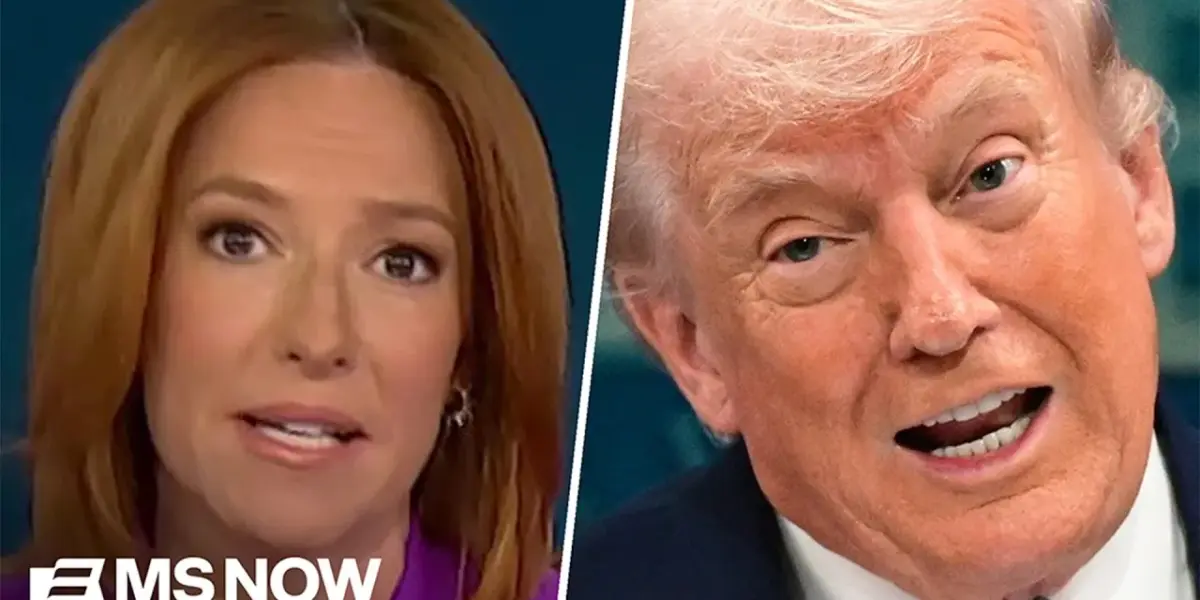
Trump’s Iran Threat Escalates, Then Backs Down
President Trump threatened a devastating attack on Iran, stating “a whole civilization will die tonight never to be brought back again.” This severe threat came with a deadline to reopen the Strait of Hormuz. The world reacted with horror, while some media outlets treated the situation like a dramatic TV show, with ticking clocks counting down to the President’s deadline.
Just before the self-imposed deadline, Trump announced a suspension of the bombing and attack on Iran for two weeks. This tactic mirrors his past behavior of delaying decisions, often using a “two weeks” timeframe to postpone promises.
Pakistan-Brokered Ceasefire Holds Potential for Change
The temporary ceasefire, brokered by Pakistan’s Prime Minister, is set to take effect immediately and applies to the entire region. However, the deal’s success hinges on Iran agreeing to the “complete immediate and safe opening of the Strait of Hormuz.” Critically, Iran does not appear to be ceding control of the Strait itself, a waterway it did not control before the conflict began.
Iran’s Foreign Minister stated that safe passage through the Strait of Hormuz will be possible through coordination with Iran’s armed forces. This suggests a significant shift from the previous status quo, where passage was open without such coordination.
Iran Claims Major Concessions in Negotiated Deal
In a separate statement, Iran’s Supreme National Security Council claimed they forced America to accept a 10-point plan. According to Iranian media, this plan includes U.S. agreement to continued Iranian control over the Strait of Hormuz, acceptance of uranium enrichment, the lifting of all sanctions, and payment of compensation.
While it is difficult to confirm these claims, Trump appears to have avoided immediate military strikes. This situation echoes past events where Trump issued threats with deadlines that were later extended.
Pattern of Escalating Threats and Delayed Action
Last month, Trump gave Iran 48 hours to open the Strait of Hormuz, threatening to destroy power plants if they did not comply. When the deadline passed, he extended it multiple times, pushing the date back from March 23rd to April 7th. Now, the deadline has been postponed by two weeks, potentially to April 21st.
The effectiveness of this tentative ceasefire is uncertain, especially given apparent disagreements between Iran and the Trump administration regarding the terms. If this were a genuine step toward ending the conflict, it would be a relief. However, after significant threats and aggressive language, the current situation leaves many questions.
Consequences of Trump’s Iran Policy
Gas prices have reached record highs, with the national average now at $4.14 per gallon, according to AAA. Trump’s actions have also damaged relationships with key allies and weakened the NATO alliance. The U.S. has lost moral authority on war crimes, and Trump’s approach risks America’s military prestige.
Meanwhile, the Iranian regime, which had faced recent protests, mobilized citizens to form human chains around power plants and bridges threatened by the U.S. These demonstrations were deemed “totally illegal” by the regime, highlighting a stark contrast to Trump’s threats of mass destruction.
Domestic Fallout and Calls for Trump’s Removal
Trump’s rhetoric has caused a rift within his own political base, with some right-wing influencers and politicians calling for the 25th Amendment to be invoked. Influencers like Alex Jones and Marjorie Taylor Greene, along with commentator Tucker Carlson, have urged members of the White House and military to refuse illegal orders.
Carlson’s plea for military personnel to say “no” to illegal orders echoes advice previously given by Democratic lawmakers, which Trump had labeled as treasonous. This suggests a growing concern among some of Trump’s supporters about the President’s judgment and actions.
Senator Mark Kelly’s Concerns
Senator Mark Kelly, a member of the Senate Intelligence and Armed Services Committees, expressed his deep concerns about the situation. He described the President as lacking a strategic plan and consistently moving the goalposts. Senator Kelly found Trump’s threat to “end a civilization” to be disturbing and potentially unlawful.
While relieved that massive strikes have been averted for now, Kelly remains critical of the President’s decision-making and the advice he receives. He pointed out that the Strait of Hormuz remains closed, and he sees no clear benefit for the American people from the current policy.
The Changing Status of the Strait of Hormuz
Senator Kelly highlighted the significant change in the status of the Strait of Hormuz. Iran’s foreign minister indicated that passage requires coordination with Iran’s armed forces, a departure from decades of free passage for military and commercial ships.
Kelly recalled his own passages through the Strait during the Gulf War and expressed concern that this new arrangement could turn the waterway into a costly tollbooth for Iran. He stressed that this is not an acceptable outcome and that the U.S. must return to the previous state of affairs.
Looking Ahead: What’s Next for U.S.-Iran Relations?
The immediate crisis appears to have been averted, but the underlying tensions remain. The two-week “ceasefire” is a fragile development, and the true terms of any agreement are unclear. The coming weeks will be crucial in determining whether diplomatic progress can be made or if the situation will escalate further. The international community will be watching closely to see if the U.S. can de-escalate the conflict and restore stability in the region without compromising its interests or international law.
Source: Iran outmaneuvers Trump; cuts deal that leaves U.S. worse off than pre-war (YouTube)

Related Articles


Trump’s Iran Threat Sparks Outrage, Calls for Impeachment
Former President Donald Trump's unprecedented threat to destroy "a whole civilization" in Iran has sparked widespread condemnation and calls for impeachment. The incident, which involved alleged war crime threats and a potential military conflict, has been labeled a "permanent stain" on American history, with critics questioning the very fabric of the presidency. While Democrats demand accountability, Republican silence dominates the political response.

US Weighs Iran Strike; Ukraine Strains Russian Air Defenses
The United States is weighing a critical decision on potential strikes against Iran's infrastructure, as diplomatic efforts continue. Meanwhile, Ukrainian drone attacks are straining Russia's air defenses, forcing resource diversion from front lines.

Trump’s Iran Ultimatum Rattles Global Security
Former President Donald Trump's profane ultimatum to Iran over the Strait of Hormuz has raised global security concerns. Amidst this, Russia calls for diplomacy, while a Pakistani peace plan faces uncertainty. The situation highlights potential U.S. missile shortages and impacts aid to Ukraine.