Iran Outmaneuvers Trump on Ceasefire Deal
Iran claims a diplomatic win over a disputed ceasefire deal with the U.S., highlighting control over the Strait of Hormuz. The differing interpretations of the terms raise concerns about global energy security and regional stability.

Iran Outmaneuvers Trump on Ceasefire Deal
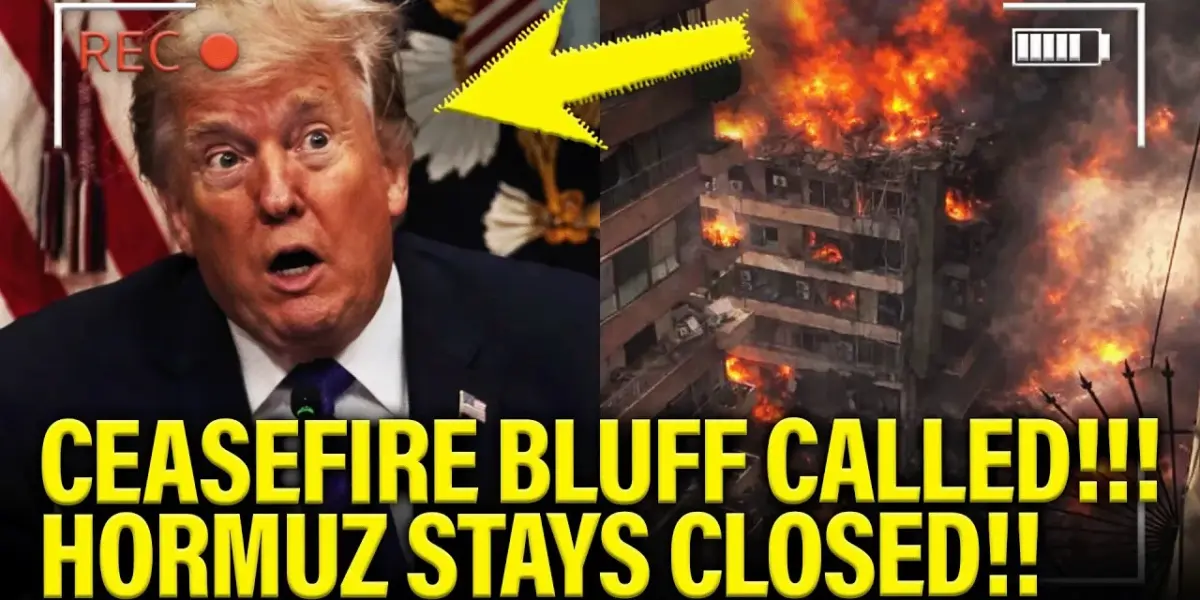
A recent ceasefire negotiation between Iran and the United States, reportedly involving former President Donald Trump, has become a point of contention, with Iran claiming a significant diplomatic victory and the U.S. side disputing the terms. The core of the disagreement centers on a 10-point framework that Iran says formed the basis of the ceasefire agreement, a claim that U.S. officials, including Trump, have publicly denied or downplayed.
Disputed Terms of the Ceasefire
According to Iranian officials and reports, Trump publicly acknowledged Iran’s 10-point negotiation framework. However, he later seemed to backtrack, suggesting the terms were misunderstood or misrepresented. Iran’s foreign minister, Aragchi, and the head of Iran’s parliament, MB Galibaf, have both stated that the 10-point plan was publicly available for weeks and was the agreed-upon basis for the ceasefire. This plan, as described by Iranian sources, included an end to Israeli strikes in Lebanon, lifting U.S. sanctions on Iran, and Iran’s control over the Strait of Hormuz with a transit fee. The Pakistani Prime Minister Sharif, who acted as a mediator, reportedly confirmed these terms.
Strait of Hormuz Blockade
A critical element of the dispute involves the Strait of Hormuz, a vital shipping lane for oil tankers. Iran claims to have mined the strait, significantly restricting passage. Reports indicate that only a few vessels, none of which were tankers, have managed to cross since the ceasefire began. One tanker reportedly turned back after being denied passage by Iran’s navy. This action has caused alarm among oil executives, who are concerned about rising oil prices if the strait remains closed or if they are forced to pay significant fees to Iran for passage. They have reportedly communicated their displeasure to the Trump administration, stating that the current situation makes using the Strait of Hormuz nearly impossible and will lead to higher costs for consumers.
Trump’s Public Statements and Reactions
In response to the unfolding situation, Donald Trump has made several public statements, including posts on his social media platform. He has referred to reports of the 10-point plan as “fake news” and “hoaxes,” suggesting that media outlets like The New York Times and CNN are attempting to discredit the peace process. Trump has also indicated that a federal investigation will expose “fraudsters and charlatans” involved in distributing these alleged fake plans. He maintains that there is only one set of acceptable points for the United States, which were agreed upon in private negotiations and form the basis of the ceasefire. He has also made statements about keeping U.S. troops in the region and preparing for potential renewed conflict, while simultaneously asserting that the Strait of Hormuz will be open and safe.
Broader Geopolitical Context
The situation highlights a complex geopolitical environment. Iran’s actions regarding the Strait of Hormuz appear to be a strategic move to assert its influence and leverage. The reported Israeli strikes in Lebanon, resulting in significant casualties, further complicate the ceasefire, with Iran suggesting that adherence to the terms by all parties is crucial. Some analysts suggest that Israel might escalate actions to draw the U.S. back into direct conflict, though they believe Trump is likely to avoid such involvement, leaving Israel to confront Iran and its allies independently. There are also indications that regional players like the United Arab Emirates, Saudi Arabia, and Israel are seeking ways to undermine the current ceasefire, viewing the 10-point plan as a victory for Iran that elevates its global standing.
Historical Background
The Strait of Hormuz has long been a strategic chokepoint, with its control being a significant factor in regional security and global energy markets. Throughout history, tensions in the Persian Gulf have often involved disputes over maritime passage and the assertion of naval power. The current situation echoes past instances where control over this waterway has been used as a bargaining chip or a means of exerting pressure in broader diplomatic and military standoffs. The U.S. has historically sought to ensure freedom of navigation through the strait, while Iran has sought to assert its sovereignty and influence in the region.
Why This Matters
This situation is critical because it impacts global energy security and international relations. The Strait of Hormuz is a vital artery for the world’s oil supply, and any disruption can lead to significant price spikes and economic instability worldwide. Furthermore, the differing interpretations of the ceasefire terms reveal deep-seated mistrust and complex negotiations between Iran and the U.S. The outcome of these disputes could influence future diplomatic efforts, regional stability, and the ongoing conflict in the Middle East. The apparent division between public statements and private agreements, as well as the involvement of various international actors, underscores the delicate nature of current geopolitical dynamics.
Implications, Trends, and Future Outlook
The trend suggests a potential for continued tension and conflict if diplomatic channels remain strained and interpretations of agreements diverge. If Iran maintains its control over the Strait of Hormuz, oil prices could remain volatile, affecting global economies. The effectiveness of future ceasefires and peace negotiations will depend on clear communication, verifiable adherence to terms, and a willingness from all parties to engage in good-faith diplomacy. The involvement of regional allies and their actions also plays a significant role in shaping the trajectory of these conflicts. Moving forward, it will be crucial to observe how these disputes are resolved and whether a stable and lasting peace can be achieved in the region, or if the cycle of conflict and negotiation will continue.
Source: Trump PANICS as CEASEFIRE PLAN BACKFIRES!!! (YouTube)

Related Articles

Oil Price Shock Fuels Inflation; Fed Stays Put, Analyst Says
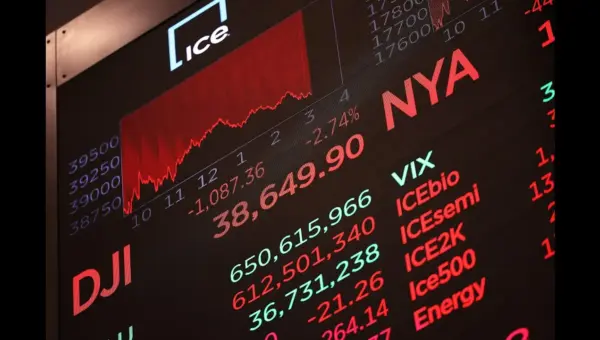
Soaring oil prices are the main driver behind March's inflation spike, not a sign of deeper issues, according to analyst Joseph Travisani. He believes the Federal Reserve will likely hold interest rates steady due to this temporary effect. However, regaining market confidence for oil prices to fall could take time, even if supply routes reopen.

Iran’s Regime: A Stubborn Threat to Global Order
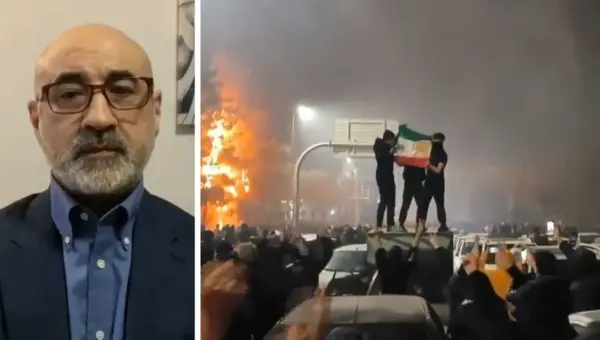
Iran's current regime is compared to a persistent cancer, challenging the global order and unlikely to become a peaceful neighbor. While state media showcases support, half the population opposes the government and faces severe risks for dissent. This internal division and external challenge create a complex and uncertain future.

US Reclaims Moon Lead with Artemis II Splashdown
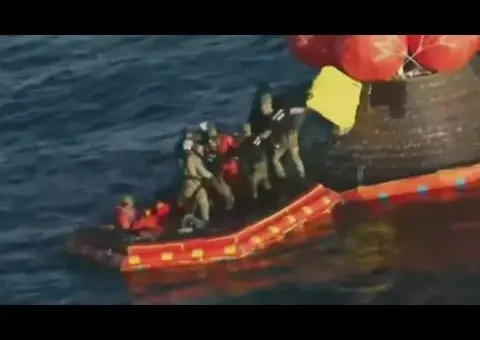
The Artemis II mission's successful splashdown marks a significant return for the U.S. in the race for lunar dominance. Echoing Apollo's legacy, the mission showcases American engineering and renewed commitment to space exploration, setting the stage for future lunar endeavors.