Iran on Brink: Explosions, Downed Jet, and US War Preparations Escalate Tensions

Iran on Brink: Explosions, Downed Jet, and US War Preparations Escalate Tensions
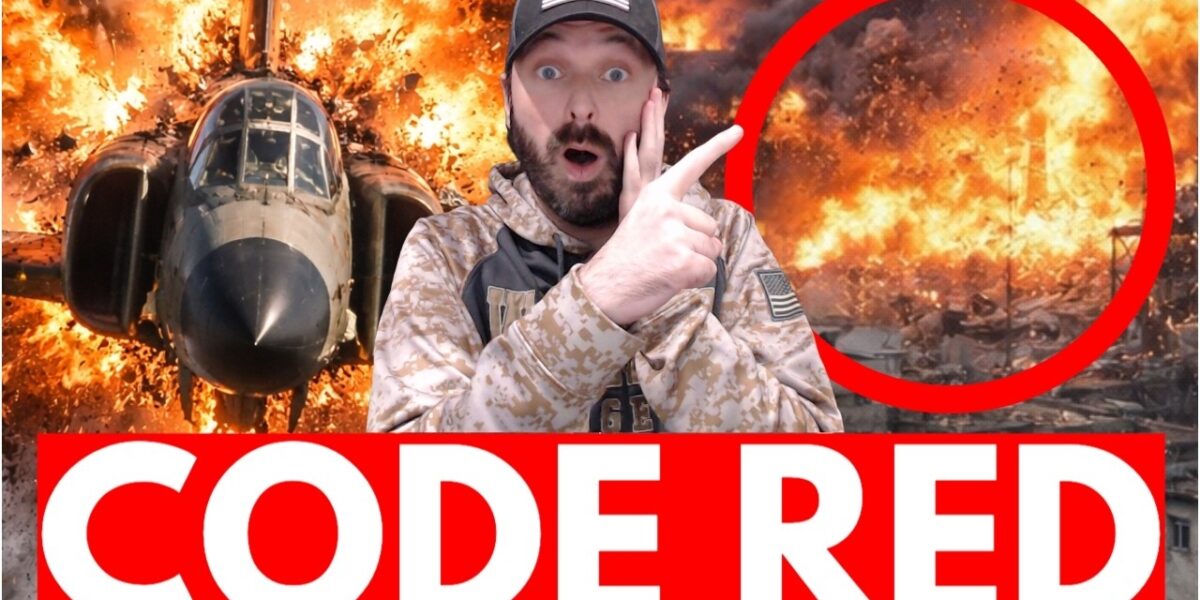
TEHRAN, Iran – February 21st – A series of dramatic and unsettling events unfolded across Iran today, signaling a profound escalation of regional tensions and placing the nation on what many observers describe as a “code red” alert. Mysterious explosions, a shocking incident involving Iran’s own air defense systems, and revelations of advanced U.S. military planning have painted a grim picture of a region teetering on the precipice of a major conflict. The day’s developments, coming amid ongoing internal protests and accusations of a brutal government crackdown, have intensified global scrutiny on the Islamic Republic.
Mysterious Blasts Rock Iranian Infrastructure Amid Covert Operations Speculation
The day began with reports of a massive, unexplained explosion in Kerman (alternatively pronounced “Karan”), a province in southeastern Iran. Images circulated depicting a large plume of black smoke rising from an undisclosed facility. While the exact nature and target of the explosion remain unconfirmed by official Iranian sources, it marks the latest in a series of similar incidents that have plagued Iran’s critical infrastructure in recent times. The Iranian government has consistently attributed these blasts to gas leaks or industrial accidents, a narrative that many international and independent analysts find increasingly implausible.
Critics of the official explanation point to a discernible pattern: these “gas leaks” disproportionately affect military installations, sensitive research facilities, critical infrastructure, and even residential buildings linked to military leadership. This targeting specificity fuels widespread speculation of covert operations orchestrated by external actors, aimed at disrupting Iran’s military and nuclear ambitions. Such incidents, often described as “black ops” with no traceable fingerprints, serve to sow internal instability and undermine Iran’s strategic capabilities without direct military confrontation. The sheer frequency and strategic nature of these explosions suggest a sophisticated campaign designed to keep the Iranian regime off balance and hinder its various programs, from conventional military development to its contentious nuclear activities.
The psychological impact of these unexplained blasts is also significant, creating an atmosphere of uncertainty and vulnerability within Iran. Each incident further erodes public trust in official explanations and contributes to a sense of a nation under siege, potentially exacerbating existing internal grievances and fueling unrest.
Iran’s Air Defenses on High Alert: A Fatal Miscalculation
In a development that underscores the extreme state of tension within Iran, the country’s air defense systems have been activated and scrambled around key strategic locations, most notably Tehran and Karajak. Reports confirm the deployment of advanced Russian-made S-300 air defense systems, considered among the most capable long-range surface-to-air missile systems globally. This move signals Iran’s readiness to defend its airspace against potential aerial incursions, a posture intensified by recent geopolitical developments and perceived threats.
However, this heightened state of alert led to a tragic and deeply concerning incident. According to sources within the Iranian Air Force, the Islamic Revolutionary Guard Corps (IRGC) Aerospace Force accidentally shot down one of its own F-4 Phantom fighter jets near Hamadan. The incident, attributed to a severe communication breakdown or a misidentification in the fog of extreme readiness, resulted in the death of Major Medi Fra Zamad, one of the two pilots aboard the aircraft. The co-pilot reportedly ejected and survived. Initial reports from the surviving pilot indicated hearing explosions and feeling a shock at the bottom of the aircraft before declaring an emergency.
The downing of its own fighter jet is a stark indicator of the panic and disarray within Iran’s military command structure. Such an event, virtually unheard of in well-coordinated air defense operations, highlights the immense pressure and hair-trigger readiness under which Iranian forces are currently operating. It suggests a potential breakdown in command and control, where the imperative to detect and engage perceived threats has overshadowed fundamental de-confliction protocols. This fratricide incident not only represents a significant loss of life and military asset but also exposes critical vulnerabilities in Iran’s ability to manage its defense systems in a high-stress environment, raising questions about its overall military preparedness and operational discipline.
The deployment of S-300s is particularly noteworthy given historical context. During a previously referenced “12-day war,” a significant portion of Iran’s air defense capabilities were reportedly “obliterated” by Israeli and later U.S. forces, which also targeted nuclear sites like Natanz, Fordo, and Isfahan. The current re-activation and alleged rebuilding of these systems, including the sophisticated S-300s, suggest a concerted effort by Tehran to restore its aerial defense shield, anticipating potential future strikes. The accidental downing of the F-4 Phantom underscores the immense challenge of integrating and operating such complex systems under an unprecedented level of threat perception.
Escalating Military Posturing: Drones and Drills
Adding another layer to the escalating tensions, intelligence reports suggest Iran has been strategically repositioning its strike drones and other military assets. These movements are believed to have occurred under the guise of joint naval drills with Russia in the strategically vital Strait of Hormuz. Defense experts, citing satellite imagery and other intelligence, argue that the joint exercises provided a convenient “veil” for Iranian forces to move their unmanned aerial vehicles (UAVs) into operational positions. This alleged maneuver would enable Iran to launch surprise attacks against U.S. Navy ships or military bases in the region, significantly increasing the threat to international shipping and stability in the Persian Gulf.
The Strait of Hormuz is a critical chokepoint for global oil supplies, and any disruption there could have severe international economic repercussions. Iran’s development and deployment of advanced strike drones represent a significant component of its asymmetric warfare strategy, designed to offset the conventional military superiority of its adversaries. The alleged repositioning of these drones signals a proactive stance by Iran, preparing for potential engagement and demonstrating its readiness to retaliate against perceived threats to its sovereignty or interests.
The use of joint military exercises as a cover for such strategic movements is a well-known tactic, allowing nations to mask offensive preparations under the guise of routine training. If confirmed, this development suggests that Iran is not merely reacting to external pressures but is actively positioning itself for potential military action, further raising the stakes in an already volatile region. The presence of MQ-9 Reaper-like drones, known for their precision strike capabilities, in the region adds to the gravity of the situation, indicating a direct threat to U.S. and allied forces.
US Military Planning: From Sustained Operations to Regime Change
Concurrently, reports from Reuters, citing U.S. officials, indicate that American military planning for potential action against Iran has reached an advanced stage. These plans reportedly encompass a wide range of options, from targeting specific individuals within the Iranian leadership to pursuing outright regime change in Tehran, should such an order be issued by the President. This suggests a significant shift in U.S. strategy, moving beyond limited retaliatory strikes to a potentially comprehensive military campaign aimed at fundamentally altering the political landscape of Iran.
Further details suggest that the U.S. military is preparing for a “sustained, week-long operation” against Iran, which could involve strikes against Iranian security facilities and nuclear infrastructure. This scale of operation would represent a massive undertaking, far exceeding previous U.S. military engagements in the region. Moreover, discussions within U.S. defense circles have reportedly included the possibility of a “decapitation strike,” a highly aggressive military action aimed at eliminating the top leadership of the Iranian regime, including the Supreme Leader Ayatollah, senior clerics (Mullers), and the leadership of the IRGC.
The deployment of U.S. military assets further corroborates these reports. F-35 fighter jets, initially slated for a NATO exercise “Cold Response” in Norway, have been pulled from the drills, their current location undisclosed but widely speculated to be redeploying towards the Middle East. Simultaneously, F-22 Raptor stealth fighters, among the most advanced air superiority aircraft in the world, have been moved into a strike position in England, providing a forward base for potential operations. These movements of cutting-edge aerial assets underscore the seriousness and immediacy of U.S. preparations.
Adding to the intelligence gathering efforts, a U.S. drone, believed to have originated from Bahrain or Qatar, was observed operating in the Persian Gulf off the coast of Iran. This drone is actively engaged in signals intelligence (SIGINT) collection, monitoring Iranian naval and military movements. Such reconnaissance is crucial for military planners to gather real-time intelligence, identify targets, and optimize strike plans, indicating that the U.S. is leaving no stone unturned in its preparation for potential conflict.
Trump’s Hot Mic Revelation and Protest Death Toll
Amidst these escalating military preparations, former President Donald Trump was reportedly caught on a hot mic, seemingly confirming plans for a military strike against Iran. When asked about considering such action, his response, “Yes, I guess,” delivered in an apparently unaware moment, was interpreted as an inadvertent confirmation of ongoing military planning. While not an official declaration, the incident adds another layer of public confirmation to the seriousness of the U.S. posture.
During a separate press conference, President Trump also made a shocking revelation regarding the death toll from recent protests in Iran. For the first time, he publicly stated his belief that “32,000 innocent people were gunned down and murdered by the Islamic regime” during the brutal crackdown on dissent. This figure, significantly higher than many previously reported estimates, highlights the extreme violence employed by the Iranian government against its own citizens. The revelation, if accurate, paints a grim picture of human rights abuses and internal repression, potentially fueling further international condemnation and strengthening calls for intervention or support for the Iranian opposition.
The protests themselves, reportedly involving a significant number of college students, have continued to erupt across Iran. Footage, often blurred to protect the identities of participants from government retribution, shows citizens taking to the streets, demonstrating against the regime amid the ongoing military crisis. These internal dissent movements add another dimension to the complex situation, suggesting that the Iranian government faces not only external threats but also significant internal challenges to its authority.
Iran’s Nuclear Rebuilding Efforts Amidst Looming Threat
Further complicating the volatile situation are reports indicating that Iran is actively rebuilding and hardening its nuclear sites, many of which were previously damaged in past strikes attributed to the U.S. and Israel. According to prominent Iranian opposition figures, these efforts are being undertaken in preparation for a potential war, even as the Trump administration (at the time of these reports) had engaged in diplomatic talks. Satellite imagery and intelligence assessments have previously shown Iran fortifying these sites, constructing underground facilities, and enhancing their protective measures, suggesting a belief within the Iranian leadership that a U.S. strike is not just possible, but imminent.
Iran’s continued nuclear activities, despite international sanctions and diplomatic efforts, remain a central point of contention with the international community. The rebuilding of damaged sites and the hardening of infrastructure signal Tehran’s unwavering commitment to its nuclear program, regardless of external pressures. This defiance, coupled with the U.S.’s stated intention to prevent Iran from acquiring nuclear weapons, creates an explosive dynamic. The belief that these fortifications will ultimately prove futile against advanced U.S. conventional weaponry only adds to the sense of an impending confrontation, with both sides seemingly preparing for a military showdown over the nuclear issue.
A Region on the Brink: Broader Implications
The confluence of these events – mysterious explosions, a military mishap, strategic drone repositioning, aggressive U.S. military planning, startling death toll revelations, and ongoing nuclear rebuilding – paints a picture of a region on the brink. The developments on February 21st are not isolated incidents but rather critical junctures in a long-standing, deeply entrenched geopolitical rivalry between Iran and its adversaries, primarily the United States and Israel.
The potential for a large-scale military conflict carries immense regional and global implications. Economically, a war in the Persian Gulf would almost certainly disrupt global oil markets, sending prices skyrocketing and potentially triggering a global recession. Geopolitically, it could destabilize the entire Middle East, drawing in other regional actors and potentially leading to a broader conflict with unpredictable consequences. The humanitarian cost, both within Iran and across neighboring countries, would be catastrophic, leading to massive displacement and a severe refugee crisis.
From a strategic perspective, a “decapitation strike” or a campaign for “regime change” would be an audacious undertaking with no guarantee of success and a high risk of unintended consequences. The Iranian regime, deeply entrenched and possessing significant regional influence through proxies, would likely resist fiercely, potentially igniting a protracted and brutal conflict. The international community watches with bated breath, as diplomatic solutions appear increasingly elusive and the drums of war beat louder than ever before. The events of February 21st serve as a stark reminder of the volatile nature of the Middle East and the urgent need for de-escalation before the situation spirals beyond control.
Source: BREAKING: Explosions ROCK Iran – Fighter Jet SHOT DOWN (YouTube)

Related Articles
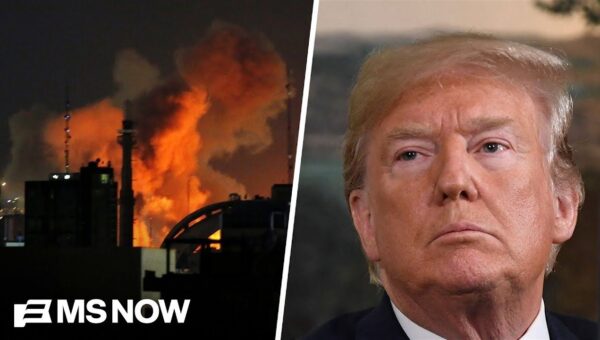
Congressman Swalwell Slams Trump’s Iran Strikes, Cites ‘No Plan’
Congressman Eric Swalwell has strongly condemned the recent U.S. military strikes in Iran, deeming them illegal and lacking a clear strategic plan. He joins Democrats in demanding a War Powers vote, asserting that the administration has failed to present evidence of provocation or a post-strike strategy. Swalwell criticizes the move as a distraction from domestic issues and a departure from campaign promises.

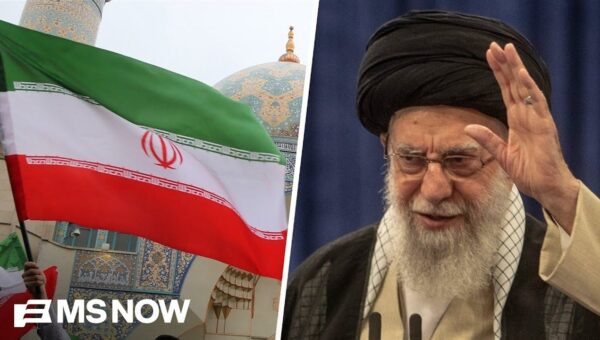
Iran Celebrates After Israeli Strikes Eliminate Top Leaders
Following Israeli airstrikes that reportedly killed Iran's Supreme Leader and top staff, celebrations have erupted among the Iranian diaspora. While a "monumental event," analysts caution against immediate expectations of a smooth democratic transition due to the IRGC's power and a divided opposition.


AI’s Ethical Divide: Trump’s Ban Sparks Fierce Debate
The Trump administration's blacklisting of AI firm Anthropic over its refusal to allow autonomous weapons and mass surveillance has ignited a fierce debate. The move highlights deep ethical divides in AI development and raises concerns about future government-tech partnerships.