Iran Oil Exports Hit as Kharg Island Strike Signals Warning
A strike on Iran's Kharg Island, which handles 90% of its oil exports, serves as a "warning shot" amid calls for a coalition to secure the Strait of Hormuz. Oil futures show cautious optimism, suggesting manageable market impact.

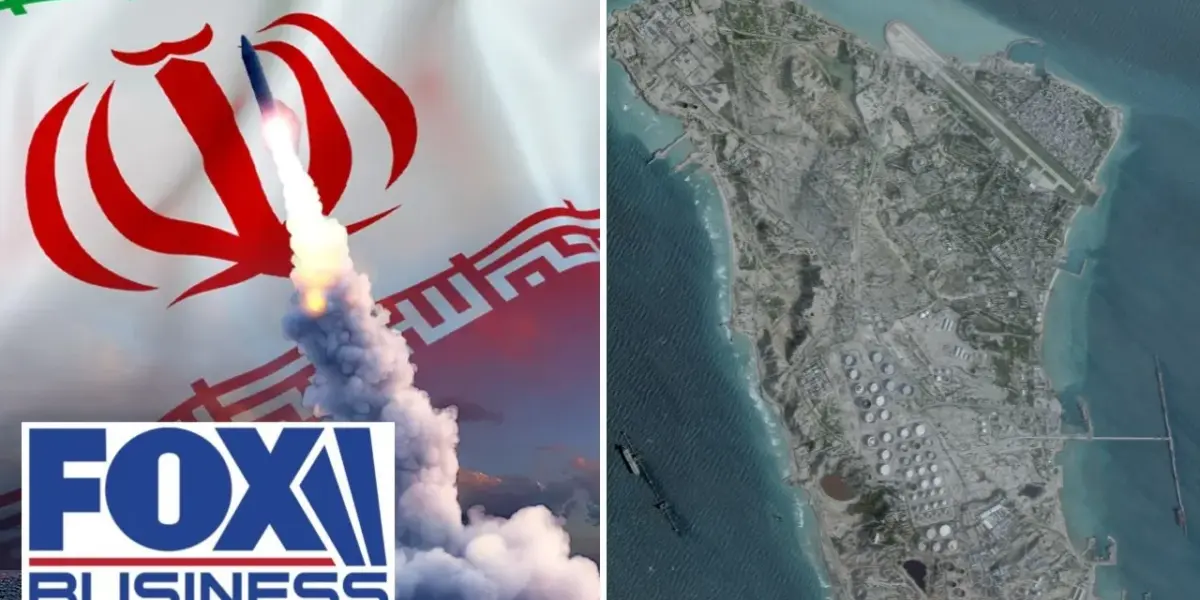
Kharg Island Strike Signals Warning to Iran’s Oil Sector
A recent strike on Iran’s critical Kharg Island oil export facility, which handles up to 90% of the nation’s crude oil exports, is being characterized as a “warning shot” by a U.S. Army special forces veteran and Middle East expert. This targeted action, aimed at disrupting Iran’s primary revenue stream without destroying its infrastructure, signals a significant escalation in the ongoing geopolitical tensions in the Strait of Hormuz.
Coalition Diplomacy Amidst Rising Tensions
The incident occurs as President Trump actively seeks international cooperation to ensure the free flow of oil through the vital Strait of Hormuz. While the U.S. possesses the capability to maintain shipping lanes independently, the President has emphasized the importance of a coalition of nations benefiting from this trade to contribute to the effort. This diplomatic push includes outreach to major economies like China, the UK, and European allies, though significant commitments for naval support have been met with hesitation from countries such as Japan, Australia, Germany, and Italy.
“If President Trump can get China to join a coalition to keep the Strait of Hormuz open, he’s got to win some kind of world prize, and that would be amazing.”
Market Reactions and Oil Price Outlook
The market’s reaction to these developments appears cautiously optimistic, with oil futures indicating a potential stabilization or even a decline in prices. Some analysts suggest that oil prices could settle in the high $70s to low $80s range, with a projected drop in the second half of the year. This outlook is partly influenced by strategic moves, such as Saudi Arabia’s existing pipeline that bypasses the Strait of Hormuz, capable of rerouting a third of its oil directly to the Red Sea. This suggests that the disruption to global oil supply, while a concern, is viewed as a manageable challenge by market participants.
“A Warning Shot, Not Decimation”
The expert analysis emphasizes that the strike on Kharg Island was a deliberate “warning shot.” The infrastructure, responsible for nearly all of Iran’s oil revenue, was intentionally left intact. This strategic decision implies that further, more damaging action against Iran’s oil facilities remains a viable option, should the situation necessitate it. The message is clear: Iran has been given an opportunity to de-escalate, with the “cars” – a colloquial term for options or leverage – now firmly in the hands of the U.S. and its allies.
Geopolitical Implications and Leadership Dynamics
Beyond the immediate oil market concerns, the situation is framed within a broader context of combating global terrorism and ensuring regional stability. The U.S. administration’s actions are presented as efforts to liberate the world from “jihadist terror” by addressing the financial lifelines of regimes that may support such activities. Concurrently, intelligence reports regarding potential leadership changes within Iran, specifically the succession of Ayatollah Khamenei, are being monitored, though expectations for swift resolution remain tempered.
What Investors Should Know
- Strait of Hormuz Importance: This narrow waterway is a critical chokepoint for global oil transportation, with approximately 20% of global oil supply passing through it daily. Any disruption carries significant implications for global energy markets.
- Iran’s Oil Dependency: Kharg Island is the primary terminal for Iran’s oil exports, accounting for the vast majority of its crude oil shipments. Actions targeting this facility directly impact Iran’s economic capacity.
- Market Volatility: While current futures markets suggest a degree of optimism, geopolitical events in the Middle East can lead to rapid and significant price swings in crude oil. Investors should monitor developments closely.
- Coalition Diplomacy: The success of diplomatic efforts to form a coalition to secure the Strait of Hormuz could influence the duration and intensity of regional tensions, thereby impacting energy markets.
- Strategic Reserves and Bypasses: The availability of strategic oil reserves and alternative export routes, such as Saudi Arabia’s pipeline, can mitigate the immediate impact of supply disruptions.
Long-Term Outlook
The long-term implications hinge on diplomatic resolutions and the sustained commitment to ensuring freedom of navigation. While the immediate threat to oil supply might be managed, a prolonged period of heightened tension could lead to increased risk premiums in oil prices and potentially disrupt global trade routes. The strategic approach of issuing a “warning shot” rather than immediate, widespread destruction suggests a calculated strategy to de-escalate while maintaining leverage. The success of this strategy will likely determine the future trajectory of oil prices and regional stability.
Source: Kharg Island strike was a ‘WARNING SHOT’: US Army special forces veteran (YouTube)

Related Articles

G7 Allies Clash Over Iran War Strategy, Urge Focus on Russia
G7 foreign ministers met in Paris, revealing deep divisions over the U.S. war with Iran. European allies urged the U.S. to pressure Russia, linking its actions to the conflict and fearing support for Ukraine will wane.
Iran Blocks China Ships, Exposing Beijing’s Weak Grip
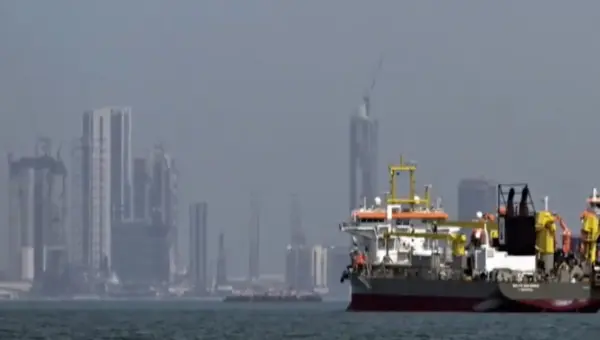
Iran's recent decision to block Chinese ships at the Strait of Hormuz is exposing the limits of Beijing's influence in the Middle East. This action is causing delays and cancellations for Chinese manufacturers, turning a perceived geopolitical win into an economic strain.
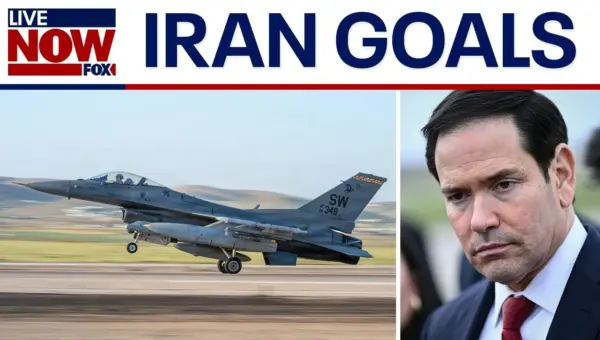
Rubio: US Can Achieve Iran War Goals Without Troops
Senator Marco Rubio outlined a strategy to counter Iran without deploying U.S. ground troops, focusing on weakening the regime and enhancing maritime security. He also criticized Cuba's economic system and expressed concerns about West Bank violence.