Iran Oil Blockade Tightens, Shifting Global Energy Markets
A stringent blockade on Iran's oil sales is tightening, significantly impacting global energy markets and exerting economic pressure on Tehran. The move, led by the U.S., aims to curb Iran's nuclear ambitions and regional influence, while also sparking debate about international alliances and energy independence.

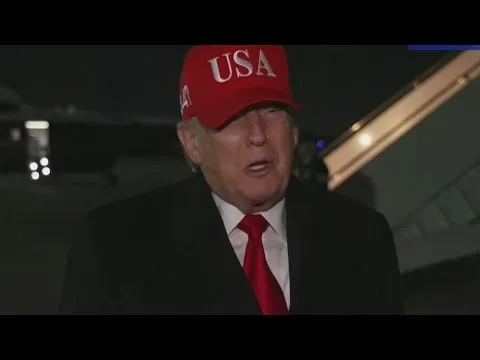
Iran Oil Blockade Tightens, Shifting Global Energy Markets
A significant blockade on Iran’s oil sales is set to take full effect, marking a major shift in global energy markets and international relations. This move aims to cut off a key revenue stream for Iran, impacting its economy and its ability to fund regional activities. Nations involved in enforcing the blockade are working to prevent Iran from selling its oil, a strategy designed to exert significant economic pressure.
The United States has been a leading force in implementing these sanctions. The goal is to limit Iran’s financial capacity, particularly its ability to develop nuclear weapons and support proxy groups. By restricting oil exports, the U.S. seeks to compel Iran to alter its behavior on the international stage. This approach reflects a broader U.S. foreign policy aimed at containing perceived threats from Iran.
U.S. Energy Independence and Sanctions Strategy
Despite the focus on restricting Iran’s oil, the U.S. emphasizes its own strong domestic oil production. The phrase “drill, baby, drill” highlights a commitment to American energy independence, suggesting the U.S. has more than enough oil to meet its needs. This domestic strength is seen as a key factor in the U.S.’s ability to impose sanctions without critically harming its own economy. The strategy relies on the idea that Iran’s oil revenue is vital for its foreign policy and military ambitions.
The sanctions are described as effective, though the transcript notes that some ships are still heading toward Iran, potentially to be filled with oil. This suggests a complex enforcement environment where some actors may still seek to circumvent the restrictions. The ultimate correction of these loopholes is expected, but the immediate impact is felt through the tightening blockade.
Concerns Over Nuclear Proliferation and Regional Stability
A central concern driving these policies is Iran’s nuclear program. The U.S. and its allies are determined to prevent Iran from acquiring nuclear weapons. The transcript indicates that Iran’s military capabilities, particularly its missile and drone manufacturing, are considered largely degraded due to previous actions and sanctions. This assessment suggests that current efforts are working to limit Iran’s offensive power.
However, the underlying tension remains. The fear is that Iran, even with depleted manufacturing, still desires nuclear weapons. The U.S. stance is firm: Iran will not have a nuclear weapon. This is a red line that guides much of the diplomatic and economic pressure applied.
Critiques of International Alliances and Leadership
The transcript also touches on criticisms of international alliances, particularly NATO. There is disappointment expressed that NATO did not do more in the past, suggesting a perceived lack of support or effectiveness. The idea that NATO was essential but now faces a diminished threat from Russia is also mentioned. The significant financial contributions the U.S. has made to NATO, estimated in the trillions, are highlighted as a point of concern, questioning the current value proposition.
There’s a critique of leadership that doesn’t prioritize stopping crime or is seen as weak. This sentiment extends to a broader dissatisfaction with approaches that are perceived as too lenient on adversaries. The idea that leaders should be tough on crime and firm with nations pursuing dangerous weapons is a recurring theme.
Global Impact and Future Scenarios
The tightening blockade on Iranian oil has immediate global implications. It can lead to fluctuations in global oil prices, affecting consumers and economies worldwide. Countries heavily reliant on oil imports may face higher energy costs. Conversely, major oil-producing nations not subject to sanctions could see increased demand and potentially higher revenues.
The effectiveness of the sanctions will shape Iran’s domestic situation and its regional influence. If successful, Iran may be forced to curtail its support for proxy groups and reconsider its nuclear ambitions. This could lead to a more stable Middle East. However, if Iran finds ways to bypass sanctions or if the international coalition enforcing them weakens, it could embolden Iran and potentially escalate regional tensions.
The geopolitical landscape is also affected by the criticism of alliances like NATO. A perceived weakening of collective security arrangements could encourage unilateral actions by nations or the formation of new, more exclusive blocs. The emphasis on national energy independence also suggests a trend towards self-reliance, potentially reducing global cooperation on energy policy.
Historical Context
The current sanctions on Iran are part of a long history of international pressure. Following the 1979 Iranian Revolution, relations between Iran and the U.S. deteriorated significantly. Over the decades, various sanctions have been imposed, particularly concerning Iran’s nuclear program and its support for militant groups. The Joint Comprehensive Plan of Action (JCPOA), or Iran nuclear deal, signed in 2015, aimed to curb Iran’s nuclear activities in exchange for sanctions relief. However, the U.S. withdrawal from the deal in 2018 and the subsequent re-imposition of stringent sanctions marked a return to a policy of maximum pressure.
The critique of NATO echoes historical debates about burden-sharing within the alliance. Founded in 1949 to counter the Soviet Union, NATO’s purpose evolved after the Cold War. The U.S. has consistently advocated for European allies to increase their defense spending, a point of contention that resurfaces periodically, especially when perceived threats shift or diminish.
Economic Leverage
Oil revenue is the lifeblood of the Iranian economy. The blockade directly targets this source of funding. Iran’s ability to export oil is crucial for its government budget, its military spending, and its ability to provide economic support to allies and proxies. By cutting off this revenue, the U.S. aims to weaken Iran’s overall capacity to act internationally.
The U.S. uses its economic power, including financial sanctions and restrictions on trade, as a primary tool of foreign policy. This strategy aims to isolate Iran economically, making it difficult for the country to engage in international commerce and finance. The success of these measures depends on widespread international cooperation in enforcement.
Future Scenarios
One scenario is that the sanctions prove highly effective, leading to significant economic hardship in Iran. This could force the Iranian government to negotiate on its nuclear program and regional policies. Another possibility is that Iran adapts, finding new markets or methods to circumvent the sanctions, potentially leading to increased regional instability as Iran seeks to project power despite economic pressure.
A third scenario involves a shift in international dynamics, where key allies reduce their support for sanctions, or new geopolitical alignments emerge. This could weaken the effectiveness of the U.S. strategy. Finally, a de-escalation of tensions, possibly through renewed diplomatic engagement, remains a possibility, though current rhetoric suggests a focus on continued pressure.
Source: Trump drags Pope Leo for being ‘liberal,’ weak on crime | NewsNation Prime (YouTube)

Related Articles


China Faces Tariff Threat Over Iran Arms Aid
President Trump is threatening China with a 50% tariff on all goods if Beijing provides military assistance to Iran. U.S. intelligence reports allege China is sending shoulder-fired missiles to Tehran. This move escalates U.S.-China tensions and has significant global economic and security implications.
U.S. Readies Military Might as Iran Tensions Spike
U.S. military readiness is heightened as tensions with Iran escalate, particularly concerning the Strait of Hormuz. While diplomatic channels are being explored, the potential for military action looms. The crisis has significant implications for global energy security and regional stability.


Trump Escalates Iran Conflict, Pushing US Toward War
Recent reports indicate Donald Trump is considering resuming military strikes in Iran following failed negotiations. This potential escalation raises concerns about a wider conflict, with Iran reportedly gaining economic and strategic leverage, particularly concerning the Strait of Hormuz. The situation is marked by shifting U.S. objectives and significant economic fallout, including surging oil prices.