Iran Oil Blockade Hits Exports, Negotiations Stall
The U.S. has implemented a blockade halting Iran's oil exports, significantly impacting its revenue. Negotiations have collapsed, and Iran faces limited options. This geopolitical move could lead to market volatility, particularly in oil prices.

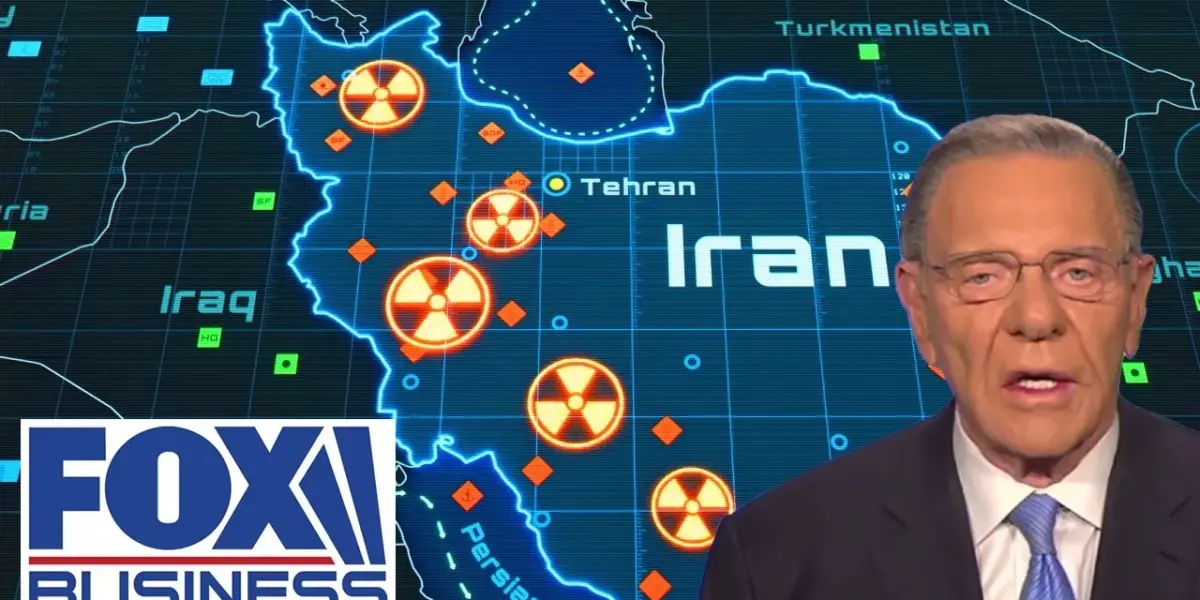
Iran Faces Economic Pressure as Oil Exports Halted
The United States has implemented a significant economic measure against Iran, halting its oil exports. This blockade officially went into effect, aiming to cut off a crucial revenue stream for the Iranian government. Reports indicate that Iran’s oil exports have been effectively stopped, with zero amounts now coming from the country.
This action comes as previous efforts for a cease-fire and negotiations have stalled. Retired Four-Star General Jack Keane explained the advantage of such a blockade. “What we are doing obviously is tying up all of the oil that Iran is exporting to other countries on different flagships,” Keane stated. This directly impacts Iran’s ability to sell its oil on the global market.
Negotiations Collapse Amid Miscalculation
The situation highlights a breakdown in diplomatic efforts. General Keane suggested that Iran may have miscalculated the U.S. position during recent talks. “I think that the Iranians miscalculate. I think that they hold too much stock in what they achieved,” he commented. Iran reportedly believed that the U.S. was in a desperate situation and would be willing to make concessions.
However, President Trump publicly stated his demands, seeking everything and refusing to back down. “He said they wanted us to give up. He said absolutely not,” General Keane recounted. This firm stance led to the collapse of negotiations, leaving no deal in place.
Hardliners May Be in Control
The lack of a deal suggests that Iran may be turning to hardline leadership. General Keane speculated that the individual Iran might be speaking with is likely the IRGC leader. “We killed the first one, we killed the second one, but this guy’s is definitely a hardliner. If that is the case, they are running Iran. That is for sure,” he said.
This shift towards hardliners could indicate a more confrontational approach from Iran. The U.S. has taken away Iran’s ability to export oil, a significant economic blow. The coming days will reveal how Iran chooses to respond to this pressure.
Iran’s Options and Potential Responses
General Keane noted that in any conflict, the opponent always has options. “I think that we just forced a fumble. We got the ball back. That is where we are at right now,” he described the current situation. Iran now faces limited choices, with potential actions including attempting to push the U.S. into backing off the blockade or taking direct military action.
One potential Iranian response could involve running one of their oil ships into the blockade to test the U.S. response. General Keane indicated that the U.S. would likely respond by boarding and seizing such a vessel. Alternatively, Iran could engage in “kinetic action,” meaning direct military engagement.
Concerns Over Troop Deployment and Uranium Seizure
The discussion also touched upon the complexities of military operations. Senator Mark Warner raised concerns about the potential need for thousands of U.S. troops on the ground to secure Iran’s uranium facilities. He mentioned that securing uranium canisters, which are highly volatile, could require 10,000 troops.
General Keane criticized this idea as “reckless behavior.” He argued that such a large deployment would put U.S. troops in a vulnerable position, potentially allowing Iran to attack them. “Put 10,000 troops on the ground so the Iranians can just fire at will,” he stated, questioning the military logic.
Alternative Strategies for Uranium Control
General Keane suggested that controlling airspace makes a ground attack less of a concern for U.S. forces. However, he acknowledged that rockets and missiles from Iran would pose a threat. He emphasized that military planning should be handled by operational commanders, not the President directly, unless risks are deemed acceptable.
He proposed alternative methods to address Iran’s nuclear program without a massive ground invasion. One strategy involves taking control of key oil facilities like Kharg Island. “Threaten the control of Kharg Island and tell them voluntarily give up the nuclear enrichment program or we will take all the way,” Keane explained. This approach would force Iran to choose between surrendering its program or having its nuclear capabilities destroyed or seized by the U.S.
Market Impact and Investor Outlook
The U.S. blockade on Iranian oil exports is a significant geopolitical event with potential economic consequences. Oil prices are a key concern, as fluctuations can impact global inflation and economic growth. Iran’s reduced oil supply could lead to higher prices if other producers cannot fully compensate for the shortfall.
Investors will be closely watching the geopolitical tensions in the region. Any escalation of conflict could lead to increased volatility in energy markets and broader financial markets. The effectiveness of the oil blockade in pressuring Iran economically will be a key factor influencing future developments. The breakdown of negotiations also increases uncertainty, which can negatively affect investor confidence.
What Investors Should Know
The U.S. blockade on Iranian oil exports aims to exert economic pressure by cutting off revenue. Negotiations have failed, and hardline elements may be influencing Iran’s decisions. Iran has limited options, including potential military responses or testing the U.S. blockade.
The suggestion of a large-scale troop deployment for uranium seizure has been criticized as risky. Alternative strategies focus on economic pressure and threats to nuclear facilities. Investors should monitor oil prices, geopolitical developments in the Middle East, and any signs of escalation or de-escalation in the conflict.
Source: Gen Jack Keane: That is RECKLESS behavior (YouTube)

Related Articles
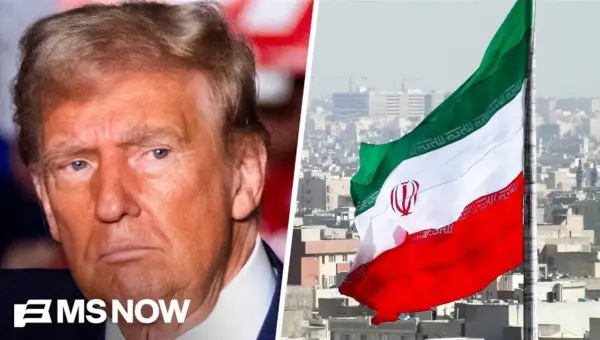
Trump Signals Indifference to High Gas Prices, Critics Warn
President Trump has declared indifference to the outcome of Iran peace talks and potential impacts on gas prices, drawing sharp criticism. Analysts view his stance as a strategic "game of chicken," while critics like Eddie Glaude call it an "eat cake" moment for ordinary Americans facing economic hardship. Concerns are rising about potential escalation and a lack of accountability.
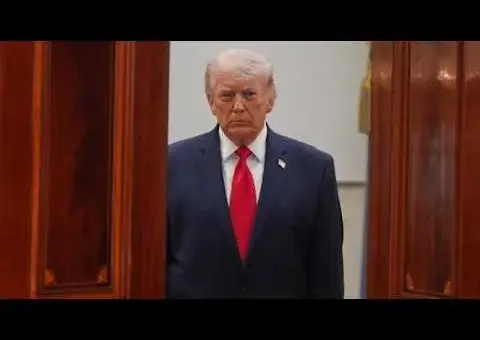
US Blockades Iran; Trump Threatens Naval Annihilation
The US has implemented a naval blockade on Iranian ports, with President Trump issuing a stark warning to destroy any Iranian ships that approach. This move significantly escalates tensions and is expected to impact global oil prices, particularly affecting Asian nations like China. The strategy aims to pressure Iran back to negotiations, but carries risks of wider conflict.
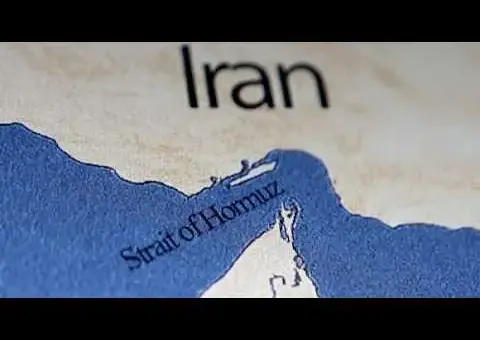
US Blockades Iran Ports: Economic Blow or Empty Threat?
The US has initiated a blockade of Iranian ports, aiming to cripple Iran's oil exports and economy. While ships traveling between non-Iranian ports are exempt, the move signifies a significant escalation. Analysts question its effectiveness and Iran's potential response.