Iran Offers Strait Access, Trump Claims ‘Regime Change’ Amid Tensions
Iran has announced it will open the Strait of Hormuz to allied vessels, while keeping it closed to adversaries. This comes amid conflicting claims by Iran and US President Donald Trump regarding negotiations and 'regime change'. Foreign correspondent Richard Spencer described the situation as 'talks about talks' with demands for unconditional surrender from both sides.

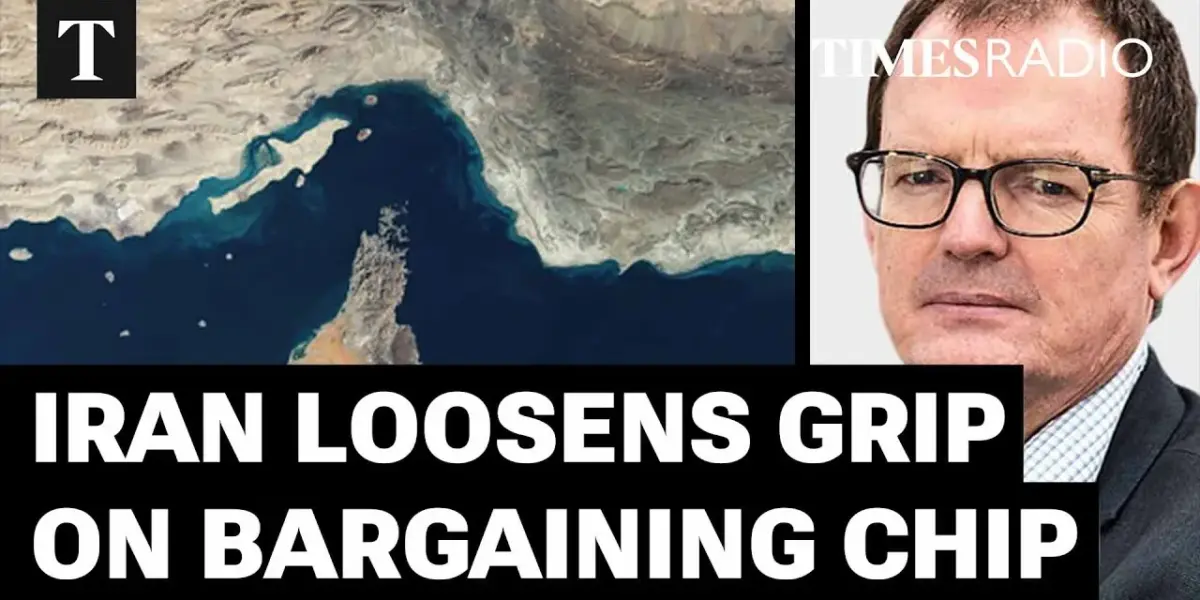
Strait of Hormuz Opens to Allies, But Remains Closed to US
Iran has announced it will open the Strait of Hormuz to ships from allied nations, while keeping it closed to perceived adversaries. This move comes amid conflicting claims regarding negotiations between Iran and the United States under President Donald Trump. Iran’s government has dismissed Trump’s assertions of securing regime change and negotiating a peace deal, stating the president is only negotiating with himself.
Conflicting Claims on Negotiations
Richard Spencer, foreign correspondent for The Times, explained that direct negotiations in the traditional sense are unlikely between Iran and the Trump administration. He described the situation as a “talks about talks” process, with communication happening through intermediaries. Pakistan and Turkey are reportedly acting as mediators, confirming contact with both sides.
However, Spencer noted that both Iran and the US have reportedly set their terms for any potential negotiation. These terms appear to be demands for unconditional surrender from the other side. President Trump’s administration has presented a list of demands for Iran, with the promise of sanctions relief and an end to hostilities in return. Conversely, Iran is reportedly demanding that the US meet all its conditions, threatening to continue fighting if this does not happen.
“When President Trump talks about demanding a negotiated unconditional surrender, which sounds rather contradictory, that is in fact apparently what he’s doing,” Spencer commented. He characterized the current interactions as “making wild demands of each other across intermediaries,” rather than formal peace talks.
Iran’s Bargaining Chip: The Strait of Hormuz
The announcement regarding the Strait of Hormuz is seen as Iran’s primary bargaining chip. The strait is a critical global oil transit point. Iran has long threatened to close it to damage the Western economy if faced with military action. “The threat has always been by Iran, look, if you try and take military action against us, you have overwhelming military advantage, but we have this asymmetrical power to close the Gulf and damage the Western economy,” Spencer stated.
Under this strategy, Iran offers exemptions to countries that support its position or are considered non-hostile. China, a major purchaser of Iranian oil, has continued to receive supplies. Similarly, countries like Spain, which have opposed military action against Iran and made pro-Palestinian statements, are likely to be exempt. “If you take a very strong position in favor of Iran or we owe you in some other way, we will exempt you from that,” Spencer explained.
However, Spencer cautioned that this opening is not a general easing of the blockade. Iran’s definition of “aggressor nations” likely includes countries like Britain, due to its alliance with the US and the use of its air bases. Therefore, the exemption is highly selective and conditional, aimed at maintaining pressure on adversaries while securing trade with allies.
Trump’s Approach: Quick Deals Over Relationship Building
Spencer suggested that President Trump’s approach to foreign policy, particularly concerning Iran, differs significantly from traditional diplomatic or business strategies. Unlike leaders who build intricate mechanisms or foster long-term relationships, Trump appears to seek quick resolutions. This is exemplified by his focus on achieving a swift outcome, similar to what he perceives as his success in Venezuela.
“Mr. Trump doesn’t seem to want a slow build process of building relationships with anyone including Iran. He wants the quick answer as he got with Venezuela,” Spencer observed. He added that “nobody I know thinks that’s possible with Iran,” suggesting that a rapid, transformative deal may be unrealistic given the complexities of the region and Iran’s political landscape.
Broader Geopolitical Context
The situation unfolds against a backdrop of ongoing military exchanges between Iran and Israel, with Israel pushing further into Lebanon. The conflicting narratives and strategic maneuvers highlight the volatile geopolitical climate in the Middle East. Iran’s ability to control access to the Strait of Hormuz remains a significant factor in international energy markets and diplomatic relations. The selective opening of the strait suggests a tactical move by Iran to gain diplomatic leverage and solidify alliances amidst escalating tensions.
What to Watch Next
Future developments will likely focus on whether any genuine diplomatic channels can be established despite the seemingly irreconcilable demands from both sides. The effectiveness of intermediaries like Pakistan and Turkey in bridging the gap will be crucial. Additionally, the international community will be closely monitoring Iran’s actions regarding the Strait of Hormuz and the potential impact on global oil supplies. The ongoing military activities in the region also signal a continued period of heightened risk and uncertainty.
Source: Iran Opens Up Strait Of Hormuz To Allies But It's Still Clamped Shut To Trump | Richard Spencer (YouTube)

Related Articles
Iran Escalates Global Conflict, Threatens World Economy
Yemen's Houthi rebels have officially joined the conflict, launching ballistic missiles at Israel and escalating regional tensions. This move threatens vital shipping lanes like the Red Sea's Bab al-Mandab strait, potentially causing catastrophic economic consequences. Meanwhile, US soldiers have been injured in Iranian missile strikes, adding to the mounting human and financial costs of the escalating war.


Trump’s Iran Claims: Shocked or Deluded by War Games?
Donald Trump claimed surprise over Iran's actions in the Strait of Hormuz, but experts suggest retaliation was inevitable. Military war games likely predicted such a scenario, raising questions about the advice given to the President.
Israel’s Strategy Against Iran Revealed
Israel's strategy to counter Iran's nuclear ambitions and regional influence centers on containment, utilizing a mix of covert military actions, intelligence operations, and diplomatic pressure. Analysts highlight the growing urgency due to Iran's nuclear advancements, while also noting the persistent risk of escalation in the volatile Middle East.