Iran Nuclear Threat Rises After US Military Strikes, Analyst Warns
Former Foreign Secretary William Hague warns that recent military actions against Iran may have increased the likelihood of the nation developing a nuclear weapon. The strategy's effectiveness is questioned amid concerns over economic fallout and the geopolitical implications of President Trump's uncertain approach.

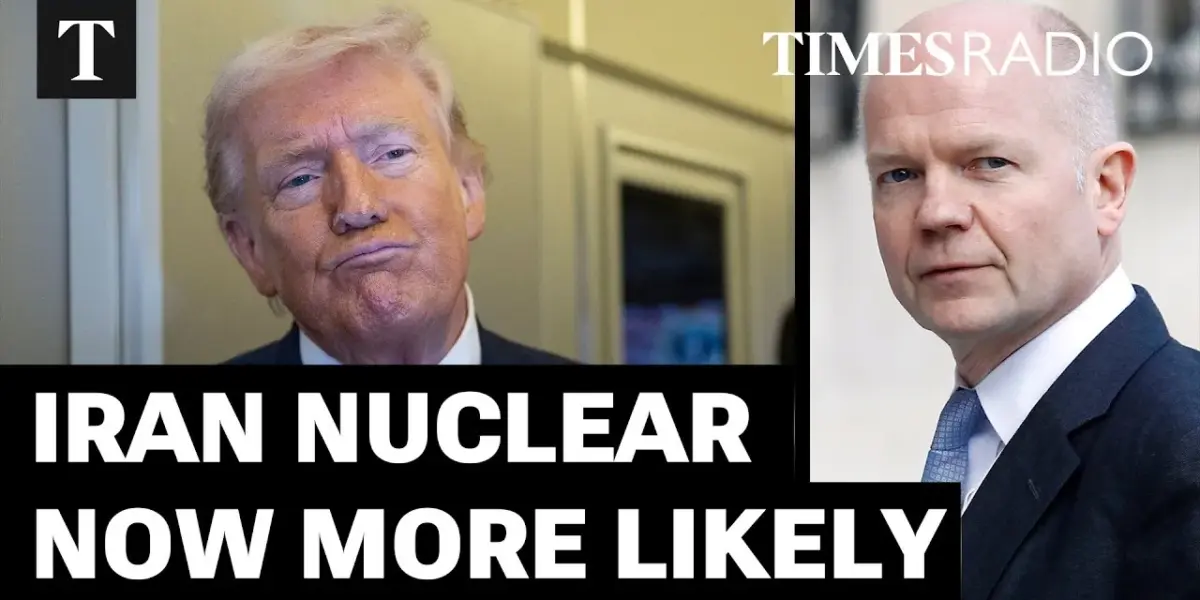
Iran’s Nuclear Ambitions Grow Post-Strike, Hague Asserts
The recent military actions against Iran, spearheaded by the United States and Israel, may have inadvertently pushed the nation closer to developing a nuclear weapon, according to former Foreign Secretary William Hague. In a recent analysis, Hague argued that the strategy of applying military pressure, which has seen significant destruction of Iran’s military assets, could paradoxically embolden a future Iranian regime to pursue nuclear capabilities in secret.
Escalating Tensions and Unforeseen Consequences
Hague detailed the complex situation, noting that while the immediate military phase, which targeted Iran’s ballistic missiles, navy, and air force, has been largely completed by highly capable US and Israeli forces, the subsequent phases present far greater challenges. These involve the potential for economic disruption in the Strait of Hormuz and the volatile political landscape within Iran itself.
“The whole problem with trying to find a military solution to the Iranian nuclear problem… is that as soon as you stop, they can then go secretly off and try to make a nuclear bomb,” Hague stated, emphasizing the increased likelihood of this outcome following the recent events.
Trump’s Strategic Uncertainty and Global Impact
The analysis highlighted the apparent uncertainty surrounding President Trump’s next steps. Hague suggested that Trump might be reconsidering his approach, given the potential for significant economic fallout, such as volatile oil prices, and the political quagmire of potentially supporting Iranian opposition forces. This uncertainty, he warned, could lead to a “big economic mess” and a “big political mess.”
“He needs to decide now, is he carrying on or is he stopping? Because otherwise he’s going to have oil markets rocketing up and down… and all the political consequences around the world.”
The situation is further complicated by the involvement of Israel, with Prime Minister Netanyahu reportedly keen for the military actions to continue. However, Hague expressed doubt about the possibility of successful negotiations with the current Iranian leadership, especially after being subjected to military attacks.
France’s Diplomatic Stance and UK’s Defense Deficiencies
The discussion also touched upon the international response, with France’s diplomatic actions being contrasted with the United Kingdom’s perceived unpreparedness. While France, under President Macron, was seen as demonstrating agility and a clear regional presence, the UK’s response was attributed to a decade or more of underinvestment in its armed forces, leaving it “not match fit” for such crises.
Hague lamented the decay of UK defense capabilities, noting that even essential assets like mine sweepers, which were a standard presence in the Gulf for decades, are now lacking. He dismissed theories of a deliberate government strategy to avoid involvement, attributing the deficiency to a simple lack of funds and resources.
Broader Geopolitical Ripples: Russia and Iran
Beyond the immediate Iran crisis, the conversation delved into the interconnectedness of global conflicts, particularly the implications of a lengthy phone call between President Trump and Vladimir Putin. The discussion of oil sanctions relief for Russia, despite its close ties with Iran and the use of Iranian drone technology in Ukraine, was deemed “utterly frightening” by analysts.
This confluence of events, including Russia potentially exploiting the diversion of Western military resources to Ukraine, and the possibility of increased Russian revenue through higher oil prices, was described as a significant geopolitical misstep by the White House. William Hague characterized Trump’s approach to Putin as one of being “enthralled” and susceptible to flattery, leading to potentially detrimental strategic decisions.
The Human Element: Iranian Footballers and Asylum
The program also briefly addressed the poignant story of Iranian women footballers granted asylum in Australia. While celebrating the positive outcome for the five players, concerns were raised about the situation of the remaining team members, with worries of potential coercion. The discussion highlighted the bravery of these athletes and the complex political considerations surrounding asylum claims, particularly for women fleeing patriarchal societies.
Looking Ahead: Navigating an Uncertain Future
The overarching concern remains the unpredictable trajectory of the Iran situation and its wider ramifications. With military actions potentially having the opposite of their intended effect and diplomatic avenues appearing limited, the international community faces a period of heightened risk. The coming weeks will be crucial in determining whether diplomatic de-escalation can be achieved or if the region is headed towards further instability, with the nuclear proliferation threat looming larger.
Source: Iran Now More Likely To Make Nuclear Weapon As A Result Of Trump’s Military Action | William Hague (YouTube)

Related Articles
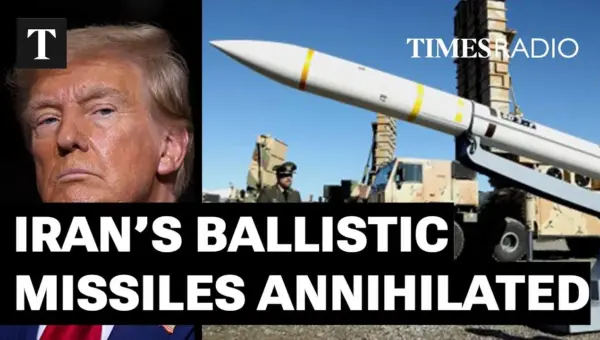
Trump Claims Iran’s Military Power Severely Crippled
President Donald Trump claims the US and Israel have significantly degraded Iran's military capabilities, potentially "wiping out" its ability to develop long-range weaponry. However, on-the-ground reports from the region highlight the ongoing, deadly reality of the conflict for civilians. The ultimate success metrics and geopolitical implications remain uncertain.

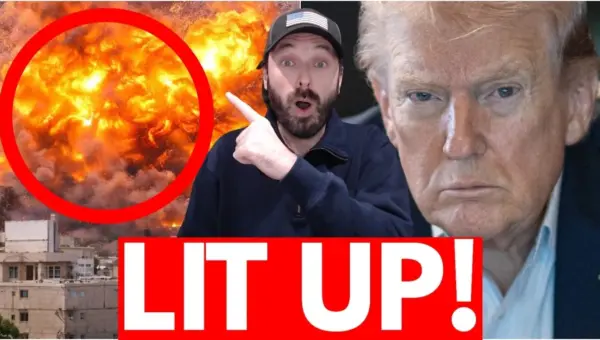
US Unleashes Fury: Iran Faces Devastating Strikes
In a significant escalation, the United States and its allies have launched massive strikes against Iran, targeting key military assets and infrastructure. President Trump has issued stark warnings regarding the Strait of Hormuz, threatening severe retaliation if oil flow is disrupted.
Global Allies Ditch Trump’s War, Leaving Him Isolated
Key international partners, including Middle Eastern and European nations, are refusing to join Donald Trump's offensive operations. This widespread reluctance signals a significant erosion of support for the conflict and highlights a growing rift in U.S. foreign policy.