Iran Nuclear Threat Ignored Amidst Political Division
Concerns are mounting over Iran's nuclear capabilities, with former intelligence officials labeling it an imminent threat. Critics argue that political division, specifically 'Trump Derangement Syndrome,' is causing some Democrats to downplay these serious national security risks, despite a historical consensus on the issue.

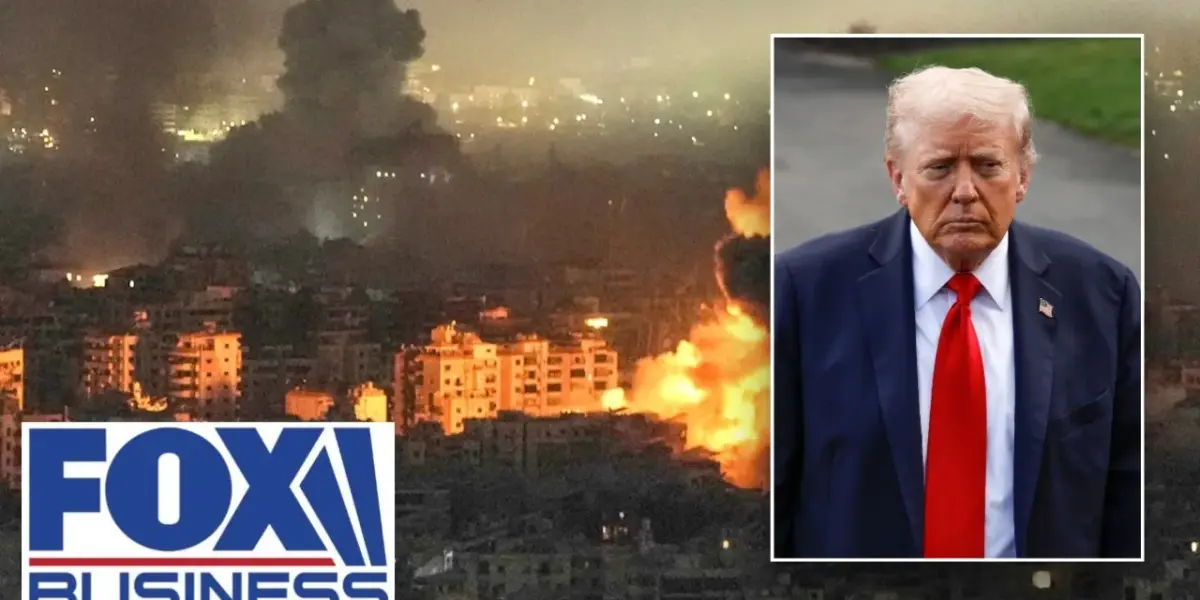
Iran Nuclear Threat Ignored Amidst Political Division
Recent statements from Iranian officials and former U.S. intelligence leaders suggest Iran has the capability to develop nuclear weapons. However, some Democrats appear to be downplaying these concerns, a stance that is being criticized as politically motivated. This situation raises questions about national security priorities and the impact of partisan politics on foreign policy.
Concerns Over Iran’s Nuclear Ambitions
A few weeks ago, Iran’s top foreign minister indicated that Iran possessed the capability to create 10 nuclear bombs within a week. This statement followed a revelation four years ago, in 2022, when Iran’s former deputy speaker of parliament admitted the regime was actively seeking to develop a nuclear bomb. More recently, former CIA Director John Ratcliffe testified that Iran poses an imminent threat to the United States.
These warnings are significant because Iran’s current government has a history of human rights abuses. Reports detail the brutal crackdown on protesters, including the public execution of a 19-year-old champion wrestler and two others. This context adds urgency to the concerns about Iran potentially acquiring nuclear weapons.
Criticism of Democratic Response
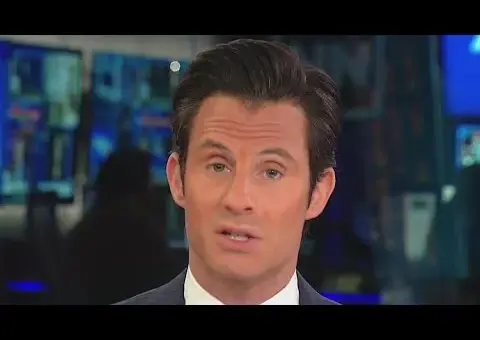
Tomi Lahren, co-host of Fox News’s ‘Big Weekend Show,’ suggests that a strong opposition to acknowledging Iran’s nuclear threat among Democrats is driven by what she terms ‘Trump Derangement Syndrome.’ This perspective argues that if former President Trump acts in ways that benefit the United States or global peace, Democrats will automatically oppose him, regardless of the issue’s merits.
Lahren points to a historical consensus between Democrats and Republicans that Iran must not be allowed to obtain nuclear weapons. She believes many Democrats still hold this view privately. However, she contends that political allegiance to opposing anything associated with Trump prevents them from openly acknowledging the clear and present danger posed by Iran’s nuclear program. This, she argues, prevents them from seeing the bigger picture regarding national security.
Historical Stance vs. Current Politics
Historically, top Democrats, including figures like Bill Clinton, Barack Obama, Joe Biden, Kamala Harris, Chuck Schumer, and Nancy Pelosi, have all stated that Iran cannot be allowed to acquire a nuclear weapon. This bipartisan agreement highlights a significant shift in the political discourse surrounding the issue.
During a recent exchange, an interviewer questioned whether a specific official stood by the statement that only the President of the United States can determine what constitutes an imminent threat. The official affirmed this position, stating the President, as Commander-in-Chief, makes that decision. However, the interviewer pressed on, asking if the intelligence suggesting Iran is an imminent threat was being dismissed due to this technicality, implying a deliberate effort to ignore the intelligence itself.
National Security and Political Gamesmanship
Lahren described the exchange as ‘ridiculous,’ calling the political gamesmanship ‘palpable’ and particularly concerning when dealing with national security. She questioned whether Democrats are adopting a strategy of waiting to see if Iran obtains a nuclear weapon and only acting after an attack occurs. This approach, she argues, is a dangerous gamble.
The analogy is drawn to the U.S. border policy. Lahren suggests that if Democrats were willing to keep the border open for an extended period, potentially waiting to see if a terrorist attack occurred or if terrorists entered the country, then their approach to the Iran threat might be consistent with their broader operating principles. However, she emphasizes that such a strategy is not effective for national security.
Market Impact and Investor Considerations
The geopolitical tension surrounding Iran’s nuclear program can impact global markets, particularly oil prices, due to the region’s significance in energy production. Increased uncertainty can lead to market volatility. Investors often react to perceived threats to stability by seeking safer assets.
Furthermore, the debate highlights the importance of a unified foreign policy, especially concerning threats that transcend political cycles. When national security decisions become entangled in partisan politics, the effectiveness of intelligence gathering and response can be compromised. Investors should monitor developments in the Middle East and U.S. foreign policy, as these can have ripple effects across various sectors, including energy, defense, and international trade.
What Investors Should Know
The ongoing debate about Iran’s nuclear capabilities underscores the complex interplay between international relations and domestic politics. Investors should be aware that geopolitical instability can create market uncertainty. Changes in foreign policy or escalating tensions in the Middle East could affect commodity prices, particularly oil, and influence investor sentiment globally.
The ability of nations to cooperate on critical security issues, even those with historical bipartisan support, can be challenged by political division. This can lead to prolonged periods of uncertainty, which is generally unfavorable for stable market growth. Keeping informed about geopolitical developments and understanding how they might influence economic factors is crucial for making informed investment decisions.
Source: Dems DOWNPLAY Iran’s nuclear threat due to ‘Trump Derangement Syndrome’: Tomi Lahren (YouTube)

Related Articles

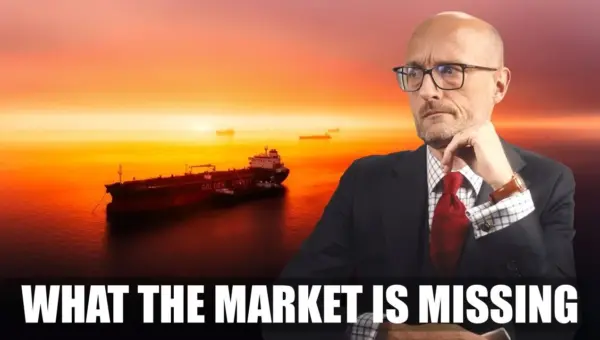
Stocks Ignore War Risks, Focus on “Taco Moments”
Stock markets appear to be overlooking the severe supply chain risks stemming from the Iran conflict, focusing instead on potential diplomatic de-escalations. While the S&P 500 shows resilience, bond and commodity markets signal deep concern over disruptions to critical resources like LNG, helium, and fertilizers.
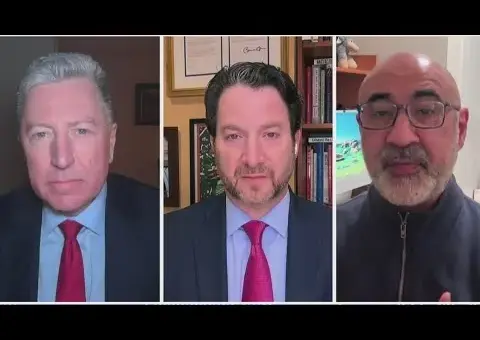
U.S. Iran Tensions Rise Amid Shifting Alliances
Rising tensions between the U.S. and Iran are creating a volatile geopolitical situation. With conflicting signals on de-escalation and potential shifts in alliances like NATO and U.S.-Israel relations, the path forward remains uncertain. The global economy and regional stability hang in the balance.

House Funds DHS Short-Term, Senate Stalemate Looms
The House has passed a short-term bill to fund the Department of Homeland Security, but the Senate is expected to reject it. This temporary measure highlights ongoing political divisions and the challenges in reaching long-term budget agreements in the U.S. Congress.