Iran Nuclear Talks: US and Iran Navigate Tense Diplomacy
U.S. and Iranian officials are engaged in critical nuclear talks amid escalating tensions and threats of military strikes. While negotiators report progress, significant differences remain, particularly on uranium enrichment levels and sanctions relief, as Iran grapples with internal dissent and the U.S. maintains a strong military presence.

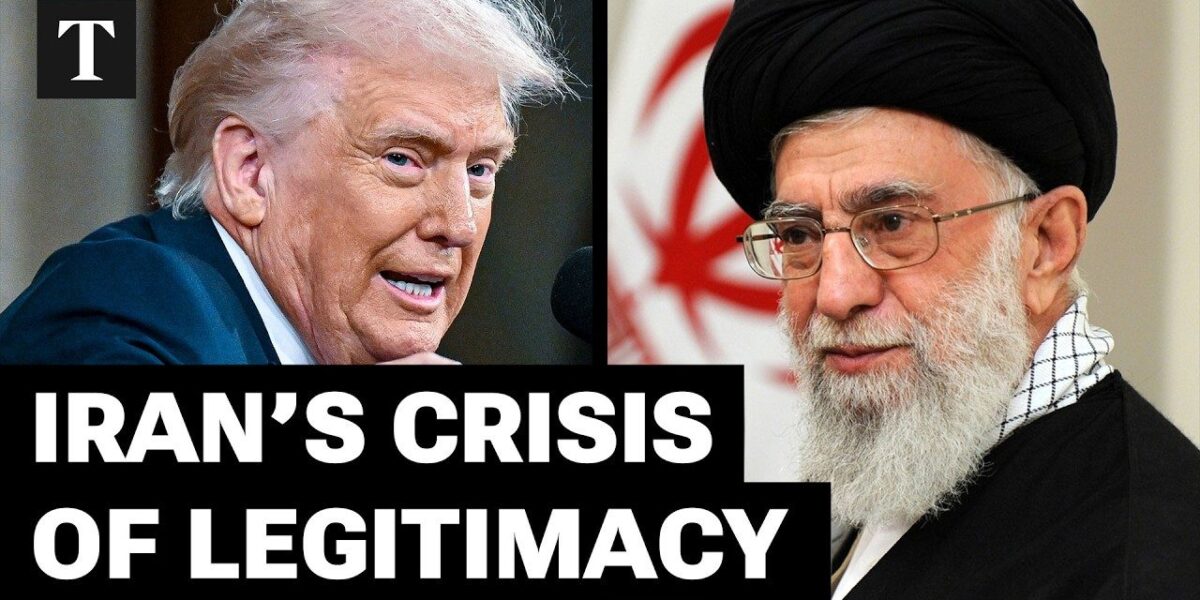
Iran Nuclear Talks: US and Iran Navigate Tense Diplomacy
Geneva, Switzerland – High-stakes negotiations aimed at curbing Iran’s nuclear program have reached a critical juncture, with U.S. and Iranian officials meeting for a third round of talks in Geneva. The discussions, which saw officials reconvene in Vienna the following week, occurred amidst a significant U.S. military buildup in the Middle East and persistent threats from President Donald Trump to strike Iran if a deal is not reached. While Iran’s top diplomat reported “good progress” and “constructive” talks, acknowledging some remaining differences, the path forward remains fraught with complexity.
Navigating a Diplomatic Tightrope
The latest round of talks, facilitated by Omani mediation, has been characterized by cautious optimism and underlying tension. Iranian officials indicated that progress had been made, with some areas of potential understanding emerging. However, details remain scarce, with U.S. negotiators reportedly focusing on Iran’s capitulation, particularly concerning its uranium enrichment levels. “We don’t have much details from these negotiations,” stated Ahmed Mamaran, Director of Communications and Senior Iran Analyst at Dawn. “From what we have been hearing over the past few days that the U.S. has been focusing on solely Iran’s capitulation and we know that Iranians have not been open to give up so much of their nuclear program in particular going to 0% enrichment.”
“Iranians are not in a better position but they are very much between Iraq and a hard place.” – Ahmed Mamaran
This diplomatic tightrope walk is compounded by the looming threat of military action. President Trump has signaled a willingness to use force, creating an environment where both sides feel a sense of urgency, yet Iran appears to be pursuing a strategy of incremental engagement. “There’s not much time for Iranians to decide and there’s not much time for President Trump to whether launch a military attack or accept Iranians deal,” Mamaran observed, recalling a previous instance where military action by Israel occurred amidst similar negotiations.
Iran’s Internal Pressures and Red Lines
The internal political landscape of Iran significantly influences its negotiating stance. A severe legitimacy crisis, exacerbated by recent events, means the regime cannot afford to be perceived as caving on its nuclear program, which is central to its resistance narrative. “If they capitulate and give up their nuclear program as a whole, then it would be very costly for them at home because right now as we have been reporting on this Iranians are facing a very severe and deep legitimacy crisis inside the country,” Mamaran explained. Giving up a key policy achievement could create divisions within its support base, making it a matter of “life and death for the Iranian regime.”
This internal fragility is further highlighted by recent student protests on Iranian university campuses. Despite the government’s crackdown following a January incident where thousands were reportedly killed, students have shown remarkable courage by chanting against the regime. “The fact that one month after students go on campuses and chant down to the dictator and ask for the regime change or you know change in the government, it shows that it’s not about the policy disputes. It’s not about economy. The grievances have become more intensified,” Mamaran noted. These protests underscore the deepening public discontent and the regime’s precarious position.
Bridging the Gap: Maximalist Demands and Civilian Programs
The core of the diplomatic deadlock lies in the differing interpretations and demands regarding Iran’s nuclear capabilities. While Iran maintains it seeks only a civilian nuclear program and has issued a fatwa against nuclear weapons, the U.S. has presented “maximalist demands.” These demands reportedly extend beyond the nuclear issue to include ballistic missiles and Iran’s regional activities, though initial talks have focused solely on the nuclear aspect. “The U.S. is telling them the maximalist demand is that no, you can have this full civilian program. You should have no enrichment or very minimal enrichment. That’s the maximalist demand,” explained Mazavi, an American-Iranian journalist and host of The Iran Podcast.
The crucial sticking point appears to be the level of uranium enrichment permitted for Iran’s civilian program, which Iran views as a right under the Non-Proliferation Treaty for purposes such as medical isotopes. The U.S. seeks minimal or no enrichment. “It’s not like the Iranians are saying we want nuclear bombs and the US says you can’t have weapons. No, they’re both saying no weapons program, but let’s discuss the details of how this civilian program is going to be,” Mazavi elaborated, expressing cautious optimism that this specific technical gap is bridgeable.
Sanctions Relief and the Public’s Hope
A key Iranian demand in exchange for limitations on its nuclear program is the lifting of sanctions, which have severely impacted the nation’s economy and its populace. “If we’re going to limit the nuclear program, we want sanctions relief because these sanctions were put on us because of the nuclear program,” Mazavi stated. The sanctions, he noted, have disproportionately affected the middle and working classes, rather than the elite, making their removal a significant benefit for the average Iranian.
The sentiment among many Iranians, particularly those protesting the regime, is complex. While some desire a complete overthrow of the government and are open to foreign intervention, a significant portion fears the devastating consequences of war and foreign intervention, citing examples like Iraq, Afghanistan, Syria, and Libya. “They see Syria, they see Libya, and they see how the foreign intervention has worked in the past. So this sort of solution of war or military attacks is not something that many Iranians aspire to or think that is going to make this already really horrible situation any better,” Mazavi commented.
Looking Ahead
As negotiations continue, the focus remains on whether both sides can find common ground on the specifics of Iran’s nuclear program and the crucial issue of sanctions relief. The willingness of President Trump to seek a deal, coupled with the diligent mediation efforts, offers a glimmer of hope. However, the persistent threat of military escalation and the deep-seated internal pressures within Iran mean that the diplomatic path remains extraordinarily delicate. The coming weeks will be crucial in determining whether a breakthrough is possible or if the region inches closer to conflict.
Source: Iran Stuck Between A Rock And A Hard Place As Trump Mulls Strikes (YouTube)

Related Articles


Trump: Iran Strikes Ahead of Schedule, Expects ‘Great Deal for World’
Three U.S. service members have been killed amid escalating conflict with Iran, President Trump confirmed. He stated that strikes are ahead of schedule, with senior Iranian leaders killed, and expressed optimism for a "great deal for the world" despite ongoing talks with Iranian officials.
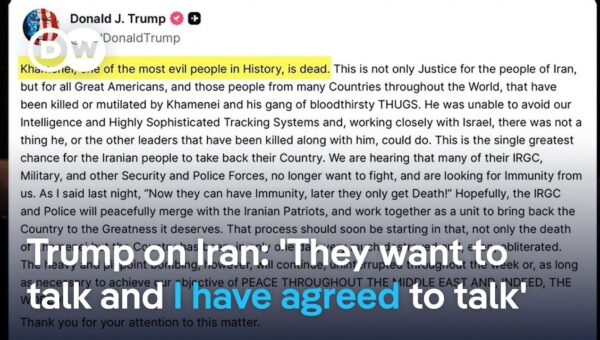
Trump Agrees to Talks with Iran After Major Strikes
President Donald Trump has agreed to talks with Iran's leadership following coordinated strikes that reportedly killed key figures, including the Supreme Leader. While Trump claims significant military successes, U.S. strategy remains unclear, and public opinion shows limited support for the actions amid rising American casualties.
Iran’s Escalation: Strategic Strikes and Shifting Alliances
Iran launched over 700 drones and missiles in a major overnight assault, with 90% intercepted by defenses. The strikes targeted multiple regional locations, including Israel, but resulted in minimal casualties and did not achieve significant strategic damage due to dispersed targeting. A notable shift sees Saudi Arabia now willing to assist following impacts on its territory.