Iran Nuclear Talks Inch Forward Amid Internal Turmoil
Iran's nuclear talks with world powers have seen incremental progress, but Tehran warns the US must drop 'excessive demands.' Experts stress diplomacy amid fears of regional conflict and renewed internal protests in Iran.

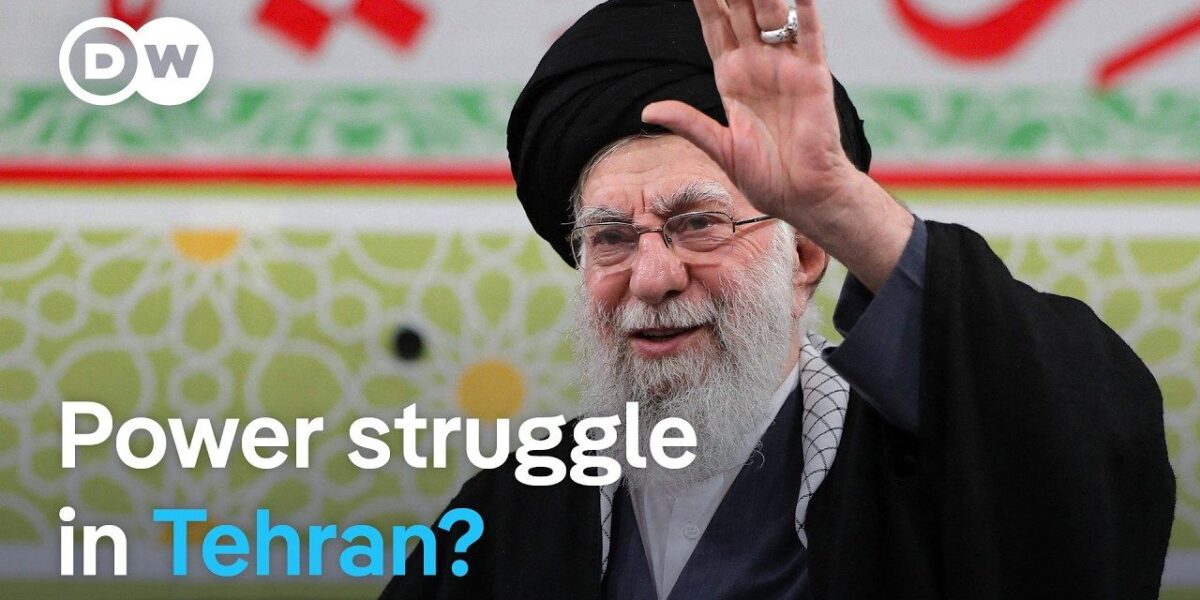
Iran Nuclear Deal Hopes Temper Amid Sticking Points
Geneva, Switzerland – Hopes for a swift resolution to Iran’s nuclear program have been tempered following the latest round of talks between Tehran and world powers, which concluded in Geneva on Thursday. While both sides acknowledged progress and agreed to reconvene in Vienna next week, Iran issued a stark warning, stating that the United States must abandon its “excessive demands” to reach a comprehensive agreement.
The negotiations, widely seen as a critical, perhaps last-ditch effort to avert further escalation, saw Washington and Tehran report positive, albeit incremental, advancements. The commitment to further discussions underscores the ongoing diplomatic tightrope walk, aimed at preventing a potential military conflict in the region.
Diplomacy as the Only Path Forward, Experts Urge
Simon Mayall, an Iran and Middle East expert, emphasized the paramount importance of diplomacy in navigating the current geopolitical landscape. Speaking from Lancaster, UK, Mayall stated, “I would certainly hope so. I always say that diplomacy has to be the answer in these types of situations.” He highlighted the role of international bodies like the UN in averting large-scale conflicts, despite recent criticisms.
“The horrors of what a conflict in the region between Iran and the United States could look like are devastating and potentially catastrophic. So, I would certainly hope diplomacy has to be the answer here and I would hope that a breakthrough can be reached, although it certainly will not be easy.”
Mayall’s perspective comes amidst statements from US Vice President JD Vance, who reportedly sees minimal risk of the US entering a prolonged war in the Middle East. However, Mayall cautioned that potential scenarios following a breakdown in talks could range from tactical strikes to more targeted assassinations of Iranian leadership, or even more substantial military action – all of which he described as “deeply worrying scenarios.”
Disagreements over the scope of the negotiations remain a significant hurdle. While Iran insists its ballistic missile program is non-negotiable, US officials like Marco Rubio have raised concerns. This fundamental divergence highlights the challenges inherent in defining the parameters of any potential deal.
Domestic Unrest Simmers Beneath the Surface
Concurrent with the international diplomatic efforts, reports of renewed protests at Iranian universities have surfaced, raising questions about the potential for widespread domestic unrest. Mayall noted that the underlying anger fueling earlier, larger demonstrations has not dissipated.
“Inflation is still high. The cost of living is still high. There is still widespread anger at the situation at the ways in which daily life across Iran is is playing out,” Mayall explained. He also pointed to increasing public resentment over the regime’s response to previous protests, citing reports of significant casualties during repressive crackdowns.
Despite the persistent anger, Mayall observed a prevailing atmosphere of fear and anxiety among the populace. This complex emotional landscape could influence the willingness of citizens to participate in street demonstrations, even as the fundamental grievances remain potent. “The anger is still there and I think that’s really important to remember,” he stressed.
Alleged Plot to Overthrow Khamenei: A Sign of Instability?
Recent reporting from the French newspaper Le Figaro has shed light on alleged plans earlier this year to overthrow Iran’s Supreme Leader, Ali Khamenei. Mayall acknowledged that such considerations might be discussed at the highest levels within Iran but stressed that the alleged plot was quickly quashed.
“I think it was very, very quickly shut down by Hassan Rouhani and others who said, ‘Look, this is not true. This is just psychological warfare and an attempt to sow dissent and ferment division across the Islamic Republic,'” Mayall recounted. He suggested that Khamenei’s reportedly weakened health and political standing could make him a target for such internal machinations.
“So I would not be surprised if these types of conversations had been happening. But to overthrow him in some type of internal coup d’etat would be an incredibly surprising thing to really get off the ground.”
Mayall indicated that, based on available information, the alleged coup plot did not gain traction and was largely refuted by senior Iranian officials. He interpreted these reports not as an immediate threat to Khamenei’s rule, but as an indicator of the ongoing internal power struggles and the precariousness within Iran’s leadership echelons.
The Road Ahead: A Precarious Balance
As diplomatic teams prepare to meet again in Vienna, the situation remains fraught with tension. The success of the nuclear talks hinges not only on bridging the gap between Iran and the US but also on the Iranian regime’s ability to manage simmering domestic discontent. The reports of alleged internal plots, while possibly dismissed, underscore the deep-seated instability and rivalries at the heart of the Islamic Republic. The coming weeks will be crucial in determining whether diplomacy can prevail or if the region edges closer to further conflict, all while Iran grapples with its internal challenges.
Source: What’s behind reports of a bid to overthrow Iran’s Khamenei? | DW News (YouTube)

Related Articles

Senator Kelly: Khamenei’s Death is Positive, But Lacks a US Strategy
Senator Mark Kelly welcomed the death of Iranian Supreme Leader Ali Khamenei, calling it a "good thing." However, he sharply criticized the current U.S. administration for lacking a coherent strategy to manage the significant geopolitical shift. Kelly emphasized that "hope is not a strategy" and called for clear objectives and actionable plans to ensure American security.

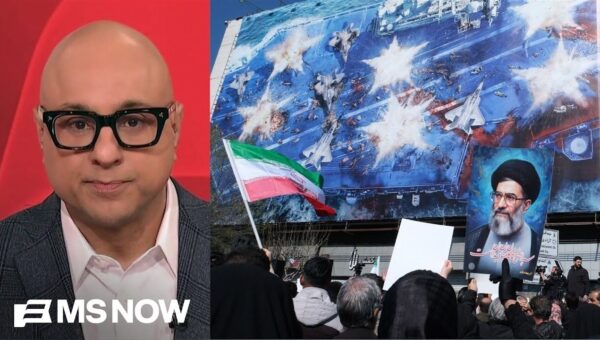
US-Iran Relations: Divergent Histories Fuelling Conflict
The enduring conflict between the U.S. and Iran stems from vastly different historical interpretations. While Americans focus on the 1979 revolution, Iranians remember foreign interference in 1953 as the true beginning of their grievances. This divergence in memory fuels ongoing distrust and complicates potential resolutions.

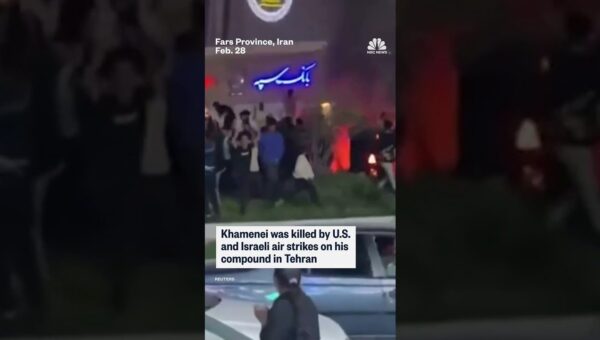
Protesters Topple Ayatollah Monument in Southern Iran
A crowd in southern Iran has toppled a monument dedicated to an Ayatollah, a significant act of defiance against the ruling religious establishment. This incident occurs amid ongoing nationwide protests fueled by economic hardship and political repression. The act symbolizes a rejection of the regime's authority and ideology.