Iran Nuclear Talks Heat Up Amid Ceasefire Concerns
The White House is clarifying its stance on Iran's nuclear program, emphasizing that enrichment is off the table. Meanwhile, a high-level delegation is heading to Pakistan for critical talks amid reports of continued hostilities and the alleged closure of the Strait of Hormuz, testing a fragile ceasefire.

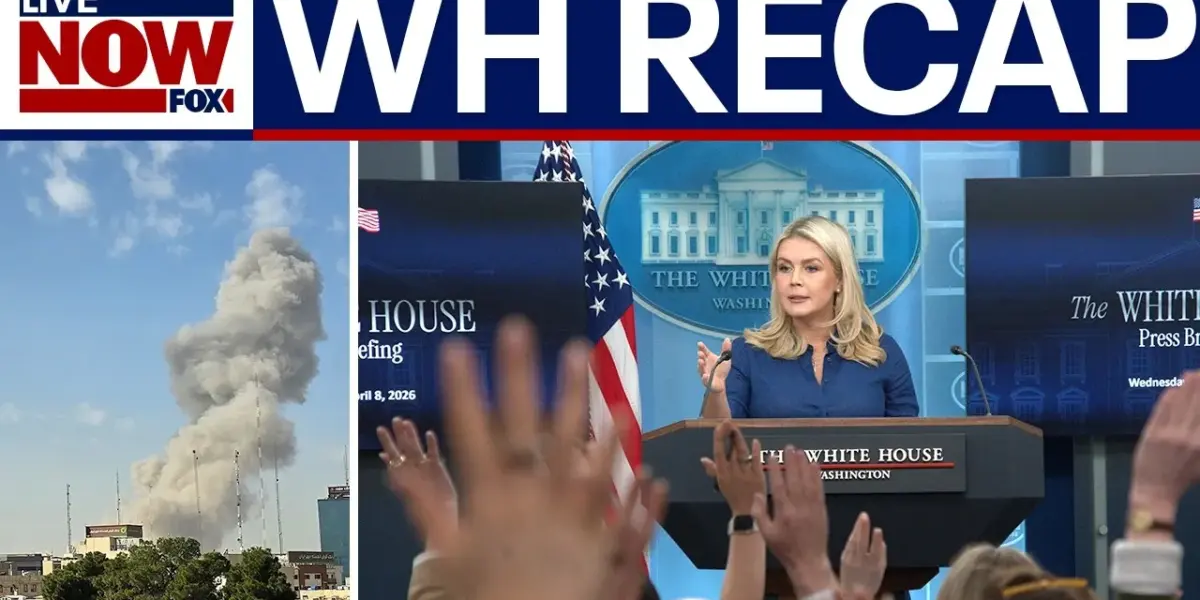
White House Clarifies Stance on Iran Nuclear Program Amid Secret Talks
The White House is pushing back against Iranian claims regarding nuclear negotiations, asserting that Iran cannot possess any nuclear enrichment capabilities. Press Secretary Caroline Levit clarified the administration’s position, stating that President Trump’s “red line” is clear: Iran must not pursue nuclear enrichment.
This statement comes as reports indicate a divergence between publicly presented plans and private negotiations. A 10-point plan, seen publicly, appears to offer favorable terms to Iran, including uranium enrichment. However, Levit emphasized that the administration’s private discussions are based on a different understanding.
High-Level Delegation Heads to Pakistan for Crucial Negotiations
In a significant development, Vice President JD Vance, along with Steve Witoff and Jared Kushner, will travel to Islamabad, Pakistan, this weekend. Their mission is to engage in face-to-face negotiations with Pakistani officials and likely representatives of the Iranian regime.
This diplomatic push highlights the administration’s focus on resolving the ongoing tensions. The involvement of the Vice President underscores the importance the White House places on these talks. Details of these negotiations remain closely watched.
Senator Graham Expresses Cautious Optimism, Seeks Clarity
Senator Lindsey Graham, a staunch ally of President Trump, has voiced a measured response to the developing situation. While acknowledging the potential for a negotiated deal, Graham expressed concerns about certain aspects of the proposed plan.
He has called for Vice President Vance and other architects of the proposal to brief Congress. Graham wants assurance that any agreement will uphold U.S. national security interests concerning Iran. His call for transparency suggests a desire for a clear explanation of how the administration’s objectives will be met.
Ceasefire Tested by Reported Hostilities and Strait of Hormuz Closure
The fragile ceasefire, less than a day old, has already faced significant challenges. Reports emerged of Iran’s state media announcing the closure of the Strait of Hormuz, a critical global shipping lane.
The White House has deemed this closure unacceptable. Additionally, there have been unconfirmed reports of missile fire in various locations, including Lebanon, Kuwait, and the UAE. The administration clarified that Lebanon was not part of the ceasefire agreement, adding complexity to the situation.
Questions linger about the origin of these reported strikes and whether the ceasefire represents a genuine end to hostilities or a temporary pause for negotiations. The administration is working to verify these reports and assess their impact on the ongoing diplomatic efforts.
Administration Defends President’s Rhetoric as Strategic Threat
White House Press Secretary Caroline Levit defended President Trump’s earlier strong rhetoric, which included a threat to potentially “wipe out an entire civilization.” Levit characterized these statements as a stern warning intended to bring Iran to the negotiating table.
She argued that this approach was instrumental in securing the current ceasefire. While acknowledging the unprecedented nature of such language from a U.S. president, the administration believes it was a necessary tactic. Levit also agreed that Iran lacks moral high ground due to its human rights record, but questioned the wisdom of the U.S. president mirroring such aggressive language.
Future Focus: Ceasefire Stability and Funding Debates
Moving forward, the primary focus will be on the stability of the ceasefire. Continued hostilities, regardless of the source, will raise serious questions about its viability. The administration’s definition of a ceasefire and its commitment to upholding it will be under intense scrutiny in the coming days.
Additionally, discussions surrounding a potential war funding package, estimated to be in the hundreds of billions of dollars, are expected to face significant hurdles. Democrats are likely to oppose providing further resources for military action, making passage through Congress a challenging prospect.
Source: White House recap: Nuclear enrichment update, DHS funding & Iran talks (YouTube)

Related Articles

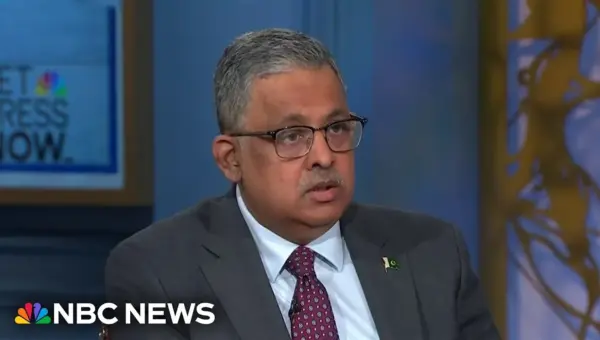
US, Iran Peace Talks Begin Amid Ceasefire Dispute
Vice President J.D. Vance leads a U.S. delegation to Pakistan for crucial peace talks with Iran, aiming to resolve escalating regional tensions. The negotiations commence amidst disputes over a ceasefire agreement, with both nations accusing each other of violations. Key issues include the Strait of Hormuz and the conflict in Lebanon, impacting global energy markets and consumer confidence.

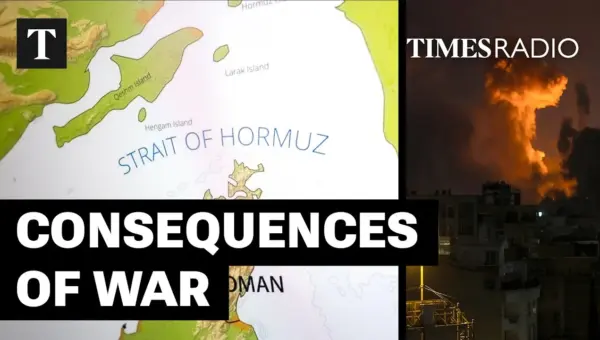
Iran Gains Strait of Hormuz Control Amidst War
Top US officials are traveling to Pakistan for critical talks with Iran, facing preconditions including a ceasefire in Lebanon and the release of blocked assets. Iran's de facto control over the Strait of Hormuz has emerged as a significant leverage point in the escalating regional tensions. The negotiations are expected to be tough, with both sides holding firm positions on key issues.

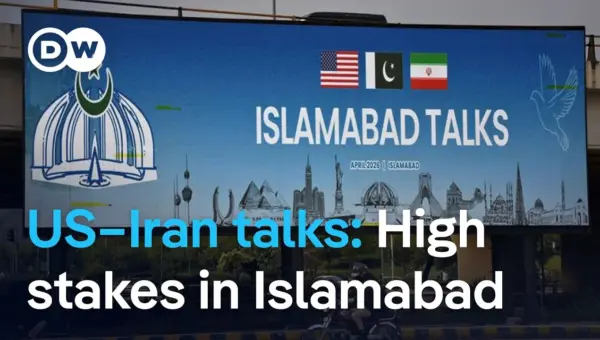
US-Iran Talks Falter Amid Hormuz Standoff, Ceasefire Strain
A fragile ceasefire between the US and Iran is under severe strain as tensions rise over the critical Strait of Hormuz. Both nations accuse each other of violating the terms of a recent deal, while international efforts to secure the vital shipping lane intensify. Crucial peace talks are underway in Pakistan, but deep-seated distrust and maximalist demands from both sides cast doubt on the likelihood of a comprehensive agreement.