Iran Nuclear Talks Collapse: What’s Next?
Recent US-Iran peace talks in Pakistan failed to reach an agreement on Iran's nuclear program. Key demands for dismantling facilities and halting enrichment were rejected by Iran, which insists on retaining its nuclear rights. The breakdown suggests a prolonged period of economic pressure and continued international concern over Iran's nuclear ambitions.


US-Iran Nuclear Talks Fail in Pakistan
Peace talks between the United States and Iran aimed at curbing Iran’s nuclear program broke down over the weekend in Pakistan. Representatives from both nations met for 21 hours but could not reach an agreement, signaling a continued period of tension and potential conflict.
Key Demands and Iranian Stance
The U.S. presented a series of demands to Iran, including the dismantling of major nuclear facilities. Iran was also asked to halt all uranium enrichment activities for an extended period. A critical U.S. demand was for Iran to transfer its existing stockpiles of enriched uranium out of the country. These stockpiles are reportedly stored or contained within three destroyed facilities.
However, Iran has refused to abandon its right to enrich uranium. Experts believe this right is deeply tied to the current regime’s ideology. Iran appears prepared to endure further economic hardship, possibly including a naval blockade, rather than concede on this issue.
Iran’s Strategic Goal: Nuclear Weapons Pathway
Iran’s insistence on maintaining its uranium enrichment capabilities suggests a strategic goal of preserving a pathway to nuclear weapons. Having the ability to enrich uranium, even to a low level, would allow Iran to produce fuel for nuclear weapons at a time of its choosing.
Under the 2015 Joint Comprehensive Plan of Action (JCPOA), the Iran nuclear deal, Iran was permitted to maintain its centrifuges. These machines are used to enrich uranium. While the deal restricted enrichment levels, it allowed Iran to keep the underlying technology and infrastructure. This capability could enable Iran to rapidly increase enrichment levels if it chose to violate the agreement, especially as the deal’s restrictions began to ease and Iran was allowed to expand its centrifuge program.
This desire to maintain enrichment capability is not new. Iran has insisted on this for about 25 years, since the nuclear dispute first began.
Monitoring Iran’s Nuclear Program
Ensuring accurate information about Iran’s nuclear capabilities requires robust international monitoring mechanisms. Countries that are part of the Nuclear Non-Proliferation Treaty (NPT) adhere to safeguards set by the International Atomic Energy Agency (IAEA). The IAEA inspects facilities, accounts for nuclear material, and works to identify any development of nuclear weapons. They then try to resolve any discrepancies found.
However, the IAEA has faced significant restrictions in Iran. Since June strikes, the agency has been largely banned from Iran, with access only permitted at a few specific sites. This lack of full access prevents the IAEA from providing a clear picture of Iran’s nuclear activities, which is a violation of Iran’s international legal obligations.
Impact of Recent Strikes
Recent military actions by the U.S. and Israel have reportedly impacted Iran’s nuclear program. The strikes are believed to have set back Iran’s ability to develop nuclear weapons by at least two years. Israel has conducted further strikes on facilities involved in uranium production, centrifuge operations, and other aspects of the nuclear program, including weaponization research and facilities.
Despite these setbacks, concerns remain about Iran potentially retaining stockpiles of highly enriched uranium. If Iran could extract this material from damaged sites, enrich it further using advanced centrifuges, and potentially hide it at secret locations, it could still pose a significant threat. This scenario is considered a major red line by both the Trump administration and Israel.
Path Forward: Building Trust and De-escalation
For peace to be possible, Iran would need to agree to behave like a typical nation regarding its nuclear program. This would involve acknowledging past violations of non-proliferation obligations and agreeing to suspend uranium enrichment for a period, until full compliance is achieved.
A significant confidence-building step could involve Iran allowing international teams to excavate the highly enriched uranium from destroyed sites. On the U.S. side, this could be met with an agreement not to pursue regime change in Iran. Israel might also step back from such efforts.
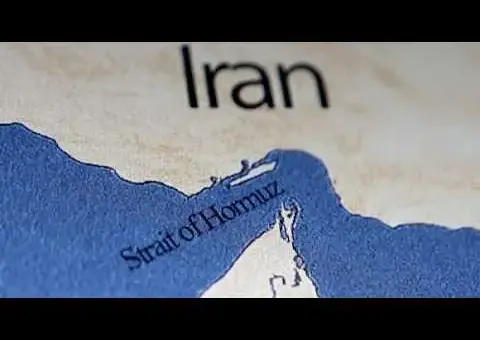
Such a resolution could lead to the lifting of economic blockades on Iran and, hopefully, Iran’s own lifting of restrictions on shipping in the Strait of Hormuz. The nuclear issue, if resolved, could be key to unwinding the broader conflict. However, it remains uncertain how much pressure Iran is willing to endure before agreeing to such terms.
Future Outlook
The breakdown of talks in Pakistan suggests that the conflict will likely continue, with economic warfare playing a significant role. Iran stands to lose substantial revenue daily due to import and export limitations. The U.S. administration’s willingness to walk away from the talks after 21 hours indicates a firm stance on fundamental demands for Iran to change its behavior. This situation will require ongoing monitoring as diplomatic efforts continue and tensions persist.
Source: What's next after US Iran peace talks break down (YouTube)

Related Articles
Iran Oil Blockade Hits Exports, Negotiations Stall
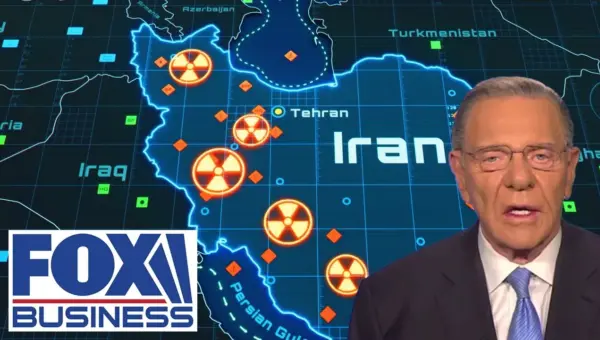
The U.S. has implemented a blockade halting Iran's oil exports, significantly impacting its revenue. Negotiations have collapsed, and Iran faces limited options. This geopolitical move could lead to market volatility, particularly in oil prices.

US Blockades Iran; Trump Threatens Naval Annihilation
The US has implemented a naval blockade on Iranian ports, with President Trump issuing a stark warning to destroy any Iranian ships that approach. This move significantly escalates tensions and is expected to impact global oil prices, particularly affecting Asian nations like China. The strategy aims to pressure Iran back to negotiations, but carries risks of wider conflict.
US Blockades Iran Ports: Economic Blow or Empty Threat?
The US has initiated a blockade of Iranian ports, aiming to cripple Iran's oil exports and economy. While ships traveling between non-Iranian ports are exempt, the move signifies a significant escalation. Analysts question its effectiveness and Iran's potential response.