Iran Nuclear Site Hit Amid Widening Regional Conflict
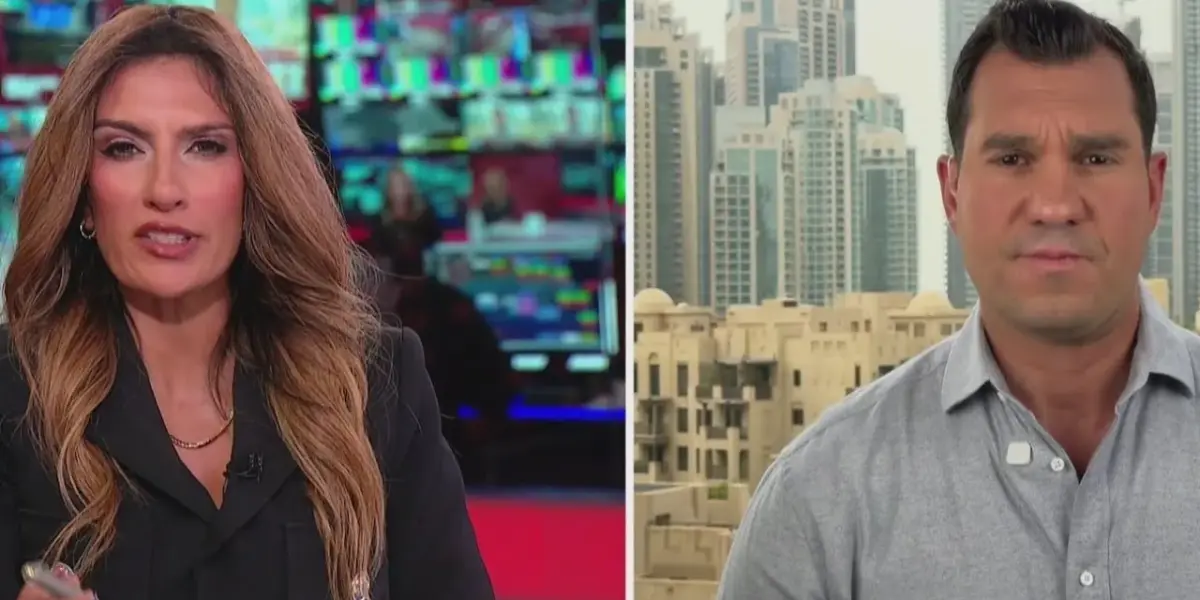
Iran's Natanz nuclear facility has reportedly been hit in an airstrike, raising concerns about its nuclear program. This incident occurs amid a widening regional conflict, with Iran striking targets as far as the Indian Ocean and continuing attacks within Israel. The situation presents conflicting messages about military de-escalation versus an expanding war.

Iran Nuclear Site Hit Amid Widening Regional Conflict
Tensions in the Middle East are escalating as Iran’s Natanz nuclear facility reportedly suffered an airstrike overnight. This attack, attributed by Iran to either Israel or the United States, targets a facility previously struck by the U.S. in 2023. The earlier U.S. strikes, part of ‘Operation Midnight Hammer,’ were intended to cripple Iran’s nuclear capabilities. If the Natanz facility was indeed hit again, it raises questions about the effectiveness of those prior actions and suggests Iran’s nuclear program may be more resilient than previously assessed.
Regional Conflict Expands Beyond Middle East
The situation is becoming increasingly complex, with Iran widening its operational scope. For the first time, Iran has launched strikes beyond the immediate Middle East region, targeting a joint U.S.-U.K. base on the island of Diego Garcia in the Indian Ocean. This move signifies a significant expansion of Iran’s reach and a new phase in the ongoing conflict.
Iran has also continued its missile and drone attacks within Israel. Recent strikes were reported near the Old City of Jerusalem, with some fragments allegedly falling close to the Al-Aqsa Mosque. Several other Arab nations in the Gulf, including Saudi Arabia, reported intercepting a high volume of Iranian drones overnight. Saudi Arabia alone reported intercepting around 47 drones, indicating a substantial increase in Iranian aerial activity.
Conflicting Messages on Military Action
Official statements present a mixed picture of the military situation. While the U.S. President suggested that military action across the region might be winding down, other indicators point to a widening conflict. The deployment of an additional 2,500 U.S. Marines is expected soon, with these forces potentially positioned near the Strait of Hormuz. This increase in troop levels contrasts with the idea of de-escalation, creating a sense of heightened alert around vital shipping lanes.
The President’s remarks also touched upon the nature of ongoing operations. He stated he did not want a cease-fire because Iran was being “obliterated.” This strong language suggests a continued offensive posture, even as other reports indicate a broader, more diffuse conflict. The timing of these events coincides with major religious celebrations, as hundreds of millions across the region mark the end of Ramadan with Eid al-Fitr festivities. This juxtaposition highlights the stark contrast between peace and celebration on one hand, and heightened geopolitical tension and conflict on the other.
Historical Context and Geopolitical Stakes
The current events echo past confrontations over Iran’s nuclear program. For years, international bodies and key nations have sought to limit Iran’s ability to develop nuclear weapons. The 2015 Joint Comprehensive Plan of Action (JCPOA), aimed at curbing Iran’s nuclear activities in exchange for sanctions relief, has been a focal point of international diplomacy. However, the U.S. withdrawal from the deal in 2018 and subsequent reimposition of sanctions have led to increased tensions and a potential acceleration of Iran’s nuclear work.
The attacks on nuclear facilities and the broader regional strikes are deeply intertwined with global energy security. The Strait of Hormuz, a crucial chokepoint for oil transport, is particularly vulnerable. Any disruption to shipping in this area could have significant impacts on global oil prices and supply chains. Control over or influence in this region is a major strategic objective for global powers.
Global Impact: Shifting Power Dynamics
The widening conflict and the reported strikes on Iran’s nuclear infrastructure signal a dangerous escalation. The involvement of multiple state and non-state actors, coupled with strikes extending to new geographic areas like the Indian Ocean, suggests a fragmentation of regional stability. This situation challenges existing international norms and could lead to a more unpredictable global order. The effectiveness of sanctions as a tool of foreign policy is also being tested, as Iran continues to engage in military actions despite economic pressure.
The competing interests of the United States, Israel, Iran, and other regional powers create a complex web of alliances and rivalries. While the U.S. and Israel share concerns about Iran’s nuclear program and regional influence, other Arab nations are navigating their own security concerns and economic ties. The conflict’s expansion beyond traditional battlegrounds means that more nations could be drawn into the confrontation, either directly or indirectly. The potential for miscalculation or accidental escalation remains high, making the current geopolitical climate exceptionally volatile.
Future Scenarios
Several future scenarios are possible. One path could see a temporary de-escalation, perhaps driven by diplomatic efforts or a mutual assessment that further conflict is too costly. Another scenario involves continued escalation, with increased strikes and broader military deployments potentially leading to a larger regional war. A third possibility is a prolonged period of low-intensity conflict, characterized by intermittent strikes, cyber warfare, and economic pressure, creating ongoing instability without a decisive outcome.
The actions taken in the coming weeks will be critical. The response to the Natanz facility strike, the continuation of Iranian attacks, and the U.S. military posture will all shape the trajectory of the conflict. The international community faces the challenge of managing these competing interests and preventing a wider conflagration that could have far-reaching consequences for global peace and security.
Source: Iran says Natanz nuclear facility hit in airstrike | Morning in America (YouTube)

Related Articles


Stocks Ignore War Risks, Focus on “Taco Moments”
Stock markets appear to be overlooking the severe supply chain risks stemming from the Iran conflict, focusing instead on potential diplomatic de-escalations. While the S&P 500 shows resilience, bond and commodity markets signal deep concern over disruptions to critical resources like LNG, helium, and fertilizers.

U.S. Iran Tensions Rise Amid Shifting Alliances
Rising tensions between the U.S. and Iran are creating a volatile geopolitical situation. With conflicting signals on de-escalation and potential shifts in alliances like NATO and U.S.-Israel relations, the path forward remains uncertain. The global economy and regional stability hang in the balance.


Iran Targets US With Cyberattacks, Escalating Digital Warfare
Iran is increasingly using cyberattacks to challenge the U.S., as seen in a recent hack of the FBI director's account. Experts say this is a strategic shift due to Iran's limitations in conventional warfare. The U.S. needs to strengthen its digital defenses, focusing on encryption and cloud computing, rather than solely relying on traditional security measures.