Iran Nuclear Program: A ‘Mowing the Lawn’ Scenario Looms
Former Deputy National Security Advisor KT McFarland warns the US may face a 'mowing the lawn' scenario with Iran, requiring periodic interventions to curb its nuclear and missile programs. Despite achieving initial objectives, the persistent threat necessitates a continuous, cyclical approach to containment.

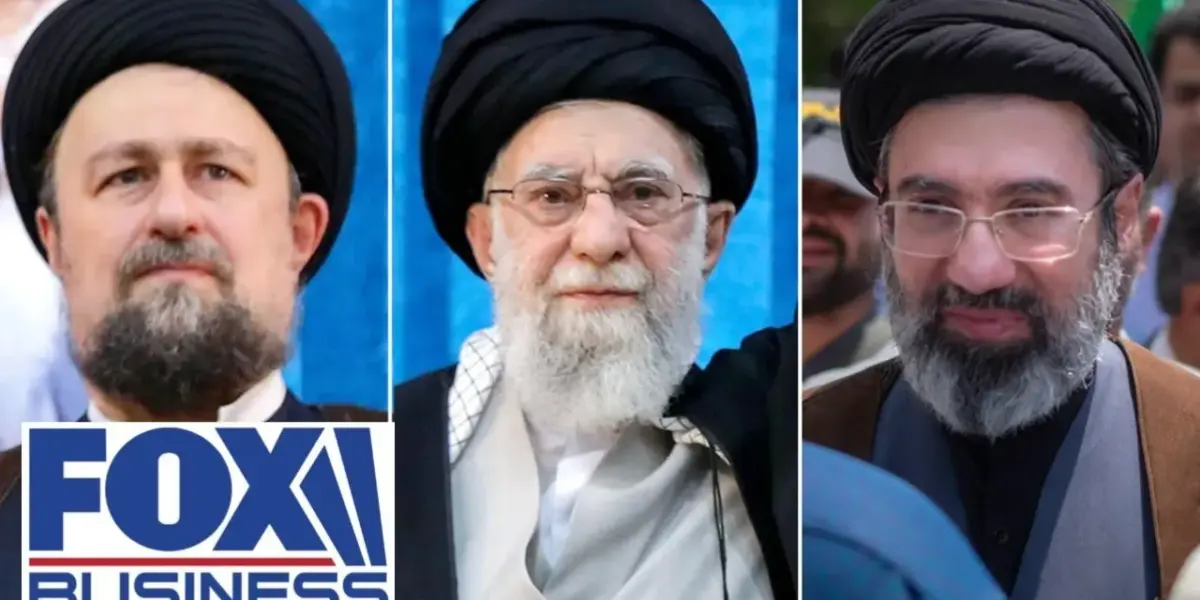
Former Deputy NSA KT McFarland Warns of Persistent Iran Threat
In a stark assessment of the ongoing tensions with Iran, former Deputy National Security Advisor KT McFarland has articulated a concerning outlook, suggesting the United States could find itself in a perpetual state of managing the threat, akin to ‘mowing the lawn.’ Speaking on a recent broadcast, McFarland detailed the complexities of the situation, emphasizing that while initial objectives regarding Iran’s nuclear program have been met, the long-term implications require a sustained, albeit potentially cyclical, approach.
Strategic Objectives and Shifting Sands
McFarland outlined the primary objectives set forth by the Trump administration concerning Iran: halting its nuclear program, curbing its missile development, and dismantling its proxy armies that threaten regional stability and American allies. She asserted that the initial goals, particularly the disruption of Iran’s path to a nuclear weapon and the targeting of missile sites, have been largely achieved through military actions, including airstrikes that have set back enrichment capabilities.
“We have stopped the Iranian nuclear program. We did it months ago with the bombing. Iranian brought it back up. They are trying to do it again. We did it again, taken out the enrich. And missile sites, and missile production,” McFarland stated, highlighting the repetitive nature of the challenge.
While regime change in Iran was a desired outcome, McFarland argued it was not an essential prerequisite for achieving the core strategic aims. “We would like a regime change but not is not circumstance,” she explained, suggesting that as long as the immediate threats are contained, the broader political transformation of Iran, while preferable, is secondary to preventing a nuclear-armed state.
The Nuclear Brinkmanship and Bragging Rights
The conversation delved into Iran’s seemingly defiant stance regarding its nuclear capabilities. McFarland referenced reports of Iranian negotiators bragging about their enriched uranium stockpiles to American counterparts, even during sensitive discussions. This behavior, she suggested, indicates a fundamental unwillingness of the current regime to negotiate away its nuclear ambitions.
“I think that President has concluded once they bragged, we have enough to make 11 nuclear weapons, they will not negotiate that away, that regime will not negotiate, that you have to destroy it you need a new regime.”
This perceived intransigence leads to the core of McFarland’s warning. If negotiation is off the table and the regime remains in power, the United States may be left with only one viable, albeit unsatisfying, long-term strategy.
The ‘Mowing the Lawn’ Analogy Explained
McFarland’s central analogy, ‘mowing the lawn,’ paints a picture of a continuous, cyclical effort to keep Iran’s nuclear and military capabilities in check. This strategy implies periodic military interventions to disrupt Iran’s progress, followed by periods of watchful waiting, only to repeat the process as Iran attempts to advance its programs again.
“If that does not happen we could do mowing the lawn. Cutting the grass. That means we go in every 5 years, every 18 months whatever it takes bomb them back,” she elaborated. This approach, while preventing Iran from achieving its most dangerous objectives, does not offer a permanent resolution and requires constant vigilance and the potential for recurring military engagements.
Economic Pressures and Oil Market Stability
The discussion also touched upon the economic dimensions of the conflict, particularly the impact on global oil prices. McFarland acknowledged the administration’s focus on oil market stability, including the release of strategic reserves and naval escorts for oil tankers transiting the Strait of Hormuz. However, she noted that the U.S. has its own domestic oil production, which mitigates some of the direct impact of Middle Eastern supply disruptions on American consumers.
The ability to project power and deter Iranian aggression through naval presence and targeted strikes remains a key component of the U.S. strategy. McFarland indicated that while the U.S. possesses the capability to neutralize many of Iran’s threats, these actions have not been fully implemented, suggesting a deliberate, calibrated approach to the conflict.
What Lies Ahead?
As the situation with Iran continues to evolve, the prospect of a protracted ‘mowing the lawn’ scenario looms large. The effectiveness of economic sanctions, the potential for unforeseen escalations, and the internal dynamics within Iran will all be critical factors to monitor. The international community will be watching closely to see if this cyclical approach can effectively contain the threat without leading to a wider, more devastating conflict, or if a more definitive strategy will eventually be required.
Source: We could end up in a ‘mowing-the-lawn’ situation with Iran: Former deputy national security advisor (YouTube)

Related Articles


Iran Targets US With Cyberattacks, Escalating Digital Warfare
Iran is increasingly using cyberattacks to challenge the U.S., as seen in a recent hack of the FBI director's account. Experts say this is a strategic shift due to Iran's limitations in conventional warfare. The U.S. needs to strengthen its digital defenses, focusing on encryption and cloud computing, rather than solely relying on traditional security measures.


Iran Hacks FBI Chief, Exposing U.S. Cyber Vulnerabilities
A recent hack of FBI Director Kash Patel's personal email by an Iran-linked group highlights Iran's growing cyber threat to the U.S. Experts explain how simple security oversights are exploited, emphasizing the need for basic defenses like two-factor authentication to protect against propaganda and potential infrastructure attacks.

Ukraine Strikes Russian Oil Refinery, Eyes Iran Threat
Ukrainian forces struck a key Russian oil refinery, disrupting Moscow's war capabilities. Meanwhile, Finland's president urged continued U.S. support for Ukraine, as Kyiv shares its air defense expertise globally amid growing geopolitical complexities involving Iran and potential sanctions against Hungary.