Iran Nuclear Deal Falters, Israel-Lebanon Tensions Rise
Recent nuclear talks between the U.S. and Iran have stalled, with both sides warning of potential conflict. Meanwhile, tensions remain high on the Israel-Lebanon border as diplomatic efforts to disarm Hezbollah face significant challenges. The outcome of these intertwined crises will shape regional stability.

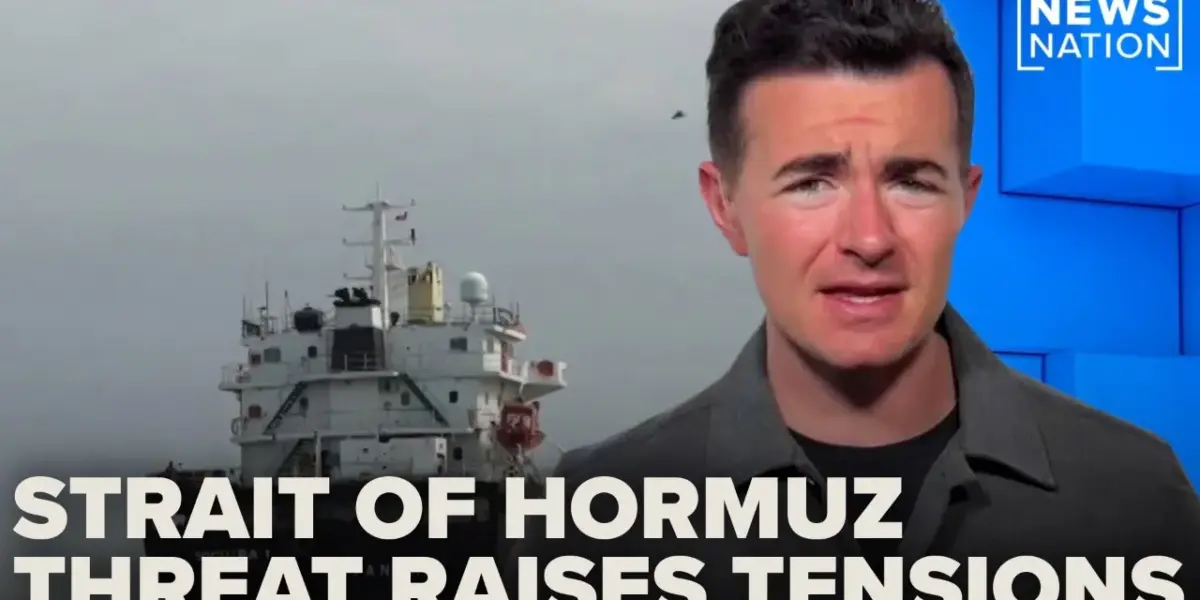
Iran Nuclear Talks Stall Amid Trust Issues, Israel-Lebanon Border Remains Tense
The United States is warning Iran it is prepared for conflict if Tehran decides to resume hostilities. This comes as recent talks aimed at securing a deal on Iran’s nuclear program have stalled. Both Iran and the U.S. describe their current readiness as having “fingers on the trigger.” This means they are ready to act if the current cease-fire breaks down.
Despite the tough talk, U.S. officials believe diplomacy is still possible. They suggest Iran has shown willingness to discuss key issues. However, a major sticking point remains Iran’s nuclear ambitions. The U.S. demands a clear promise that Iran will not pursue nuclear weapons or the technology to build them quickly.
Iran Cites Trust Issues in Talks
Iran’s Foreign Minister stated that the recent intensive talks were the most significant in 47 years. He claimed Iran engaged in good faith to end the conflict. However, Iran felt the goalposts shifted just as a potential agreement was near. This led to the current standoff.
For now, the cease-fire between the U.S. and Iran appears to be holding. But the situation north of Israel remains very tense. Prime Minister Benjamin Netanyahu has been focused on the border with Lebanon. Israel has continued to strike targets in southern Lebanon and near Beirut.
Israel-Lebanon Negotiations Face Hurdles
The governments of Israel and Lebanon are expected to hold direct talks soon. The goal is to discuss peace and the disarmament of Hezbollah. Israel’s position is clear: they will continue military action as long as the northern border remains unsafe for its citizens.
These talks are significant because Israel and Lebanon have never signed a peace treaty. They do not have official diplomatic relations. The United States has been a key partner in trying to facilitate these negotiations. It is understood that these discussions may take place in Washington, D.C.
Global Impact
The failure to reach a nuclear agreement with Iran could lead to increased regional instability. Iran’s pursuit of nuclear capabilities, or even the perception of it, raises security concerns for its neighbors, particularly Israel. This could trigger a regional arms race.
The tensions between Israel and Lebanon, fueled by the presence of Hezbollah, represent another flashpoint. Any escalation here could draw in other regional powers and complicate broader Middle East peace efforts. The U.S. role as a mediator highlights its continued involvement in the region’s security dynamics.
Historical Context
Iran’s nuclear program has been a source of international concern for decades. Past agreements, like the Joint Comprehensive Plan of Action (JCPOA), aimed to curb its activities. However, these agreements have faced challenges and withdrawals, leading to cycles of tension and negotiation.
The conflict between Israel and Lebanon has deep historical roots, involving border disputes and the influence of non-state actors like Hezbollah. Previous cease-fires and diplomatic efforts have often been fragile, with periods of intense conflict interspersed with uneasy calm.
Economic Considerations
Sanctions on Iran, imposed by the U.S. and other nations, are a significant economic tool. These sanctions aim to pressure Iran to change its behavior, particularly regarding its nuclear program and regional activities. A failed nuclear deal could mean continued or even increased economic pressure on Iran.
Conversely, any resolution that eases tensions could lead to sanctions relief, opening Iran’s economy to greater international trade and investment. The Strait of Hormuz, a vital waterway for global oil transport, remains a critical economic and strategic chokepoint. Threats to this route have significant implications for global energy markets.
Future Scenarios
One scenario is that Iran abandons nuclear weapon development, leading to a renewed diplomatic push and potential sanctions relief. Another is that Iran accelerates its nuclear program, prompting stronger international sanctions and a higher risk of military confrontation.
On the Israeli-Lebanese front, direct negotiations could lead to a lasting peace agreement and Hezbollah’s disarmament. Alternatively, continued border clashes could escalate into a wider conflict, drawing in other regional players and further destabilizing the Middle East.
Source: Trump's Strait of Hormuz threat raises tensions with Iran | Morning in America (YouTube)

Related Articles

U.S. Tightens Grip on Hormuz Strait
Tensions escalate in the Strait of Hormuz as the U.S. threatens to blockade Iranian ports, causing oil prices to surge. Following failed peace talks, Iran vows retaliation against any perceived violations, setting the stage for a significant geopolitical standoff.

US Blockades Hormuz: War Looms as Iran Threatens to Fire
The U.S. military has imposed a total blockade on the Strait of Hormuz, leading to a dangerous standoff with Iran. This move could see U.S. forces boarding Chinese ships, escalating tensions significantly. Iran has threatened retaliation, raising fears of a wider regional conflict.


General Warns of War Crime Trials for U.S. Military
Retired U.S. Army Brigadier General Steve Anderson warns that U.S. military members could face Nuremberg-style trials for war crimes. He criticizes former President Trump's handling of international conflicts, particularly in Iran, calling it a major geopolitical blunder. Anderson urges strategic international action for accountability after the current administration.