Iran Nuclear Deal Expert Warns Against Quick Deal Expectations
Robert Malley, a key negotiator of the 2015 Iran nuclear deal, warns against expecting a quick or easy resolution in current U.S.-Iran peace talks. He stresses that any agreement will require compromise from both sides, not surrender. Malley suggests the current talks may focus on immediate steps like reopening the Strait of Hormuz and sanctions relief, laying groundwork for future, more comprehensive discussions.

Iran Nuclear Deal Veteran Urges Patience in Peace Talks
Robert Malley, a key negotiator of the 2015 Iran nuclear deal, is urging caution regarding the current peace talks involving the U.S. and Iran. Malley, speaking in a recent interview, suggested that expectations of a swift resolution or a complete surrender by Iran are unrealistic. He emphasized that any agreement would likely be a compromise, requiring both sides to make concessions.
High-Level U.S. Involvement Signals Seriousness
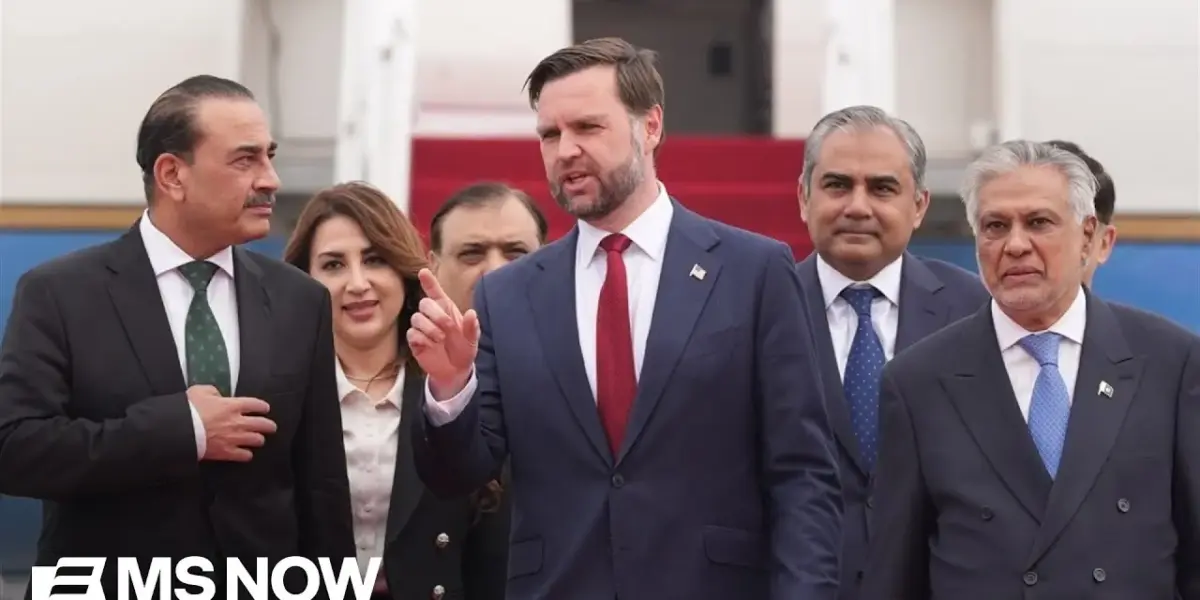
The presence of a high-level U.S. official, identified as Vice President Vance in the discussion, leading the talks suggests a serious commitment from the United States to find a way out of the ongoing conflict. Malley noted that Iran also appears to be taking the negotiations seriously. However, he stressed that seriousness alone is not enough to guarantee progress, though it is a necessary first step.
Malley also offered insight into why Iran might prefer negotiating with Vance over other U.S. figures. He pointed to past unsatisfactory experiences Iran had with individuals like Steve Whitcoff and Jared Kushner. This preference, he explained, indicates Iran’s desire for a more constructive dialogue.
Navigating Different Negotiating Styles
The Iranian delegation, led by figures like Foreign Minister Abbas Arachi, is described as large and deeply knowledgeable about all aspects of the negotiations. They are known for their methodical approach, preferring to move slowly to maximize their gains, a strategy that has served them well in the past. This contrasts with the often impatient and impetuous style attributed to President Trump.
Malley highlighted this difference in styles as a potential challenge. He suggested that if President Trump insists on rapid results, it could complicate the methodical pace favored by the Iranian team. The success of these talks may depend on how well both sides can adapt to each other’s negotiating rhythms.
Understanding Iran’s Perceived Leverage
When asked if Iran holds an advantage due to its delegation’s deep knowledge of the issues, Malley acknowledged an asymmetry. He explained that Iran currently feels it has leverage because it could potentially disrupt the Strait of Hormuz. Such an action would have significant economic and political consequences for the U.S., a fact Iran is aware of.
However, Malley cautioned that this perceived edge comes with a condition. If Iran truly desires a deal, it will eventually need to be transparent about its nuclear program. This includes clarifying the location and status of enriched uranium and being prepared to either hand it over or dilute it. These are critical questions that must be addressed for any meaningful progress.
A Call for Realistic Expectations
Malley was direct in his assessment of what a potential deal might look like. He stated, “This is not going to be clean. It’s not going to be QUICK, AND IT CERTAINLY IS NOT GOING TO END WITH IRAN’S SURRENDER.” He believes that the U.S. should expect a compromise where both sides achieve some of their objectives. Any expectation of Iran capitulating would be misguided, according to the former lead negotiator.
U.S. Intentions and Future Steps
Malley believes President Trump desires a way to end the conflict and present the resolution as a success. If a deal can be reached, it would likely be something the President would want to showcase. However, Malley also noted the absence of specific experts on the U.S. team, such as nuclear specialists or Treasury Department officials focused on sanctions. This absence suggests that this particular round of negotiations may not result in a comprehensive, final agreement.
Instead, Malley hopes these talks will achieve more immediate goals. These could include reopening the Strait of Hormuz and providing some sanctions relief to Iran. Such outcomes could create a foundation for future, more extensive negotiations that address all the outstanding issues between the two nations.
The Long Road Ahead
The current talks are reportedly ongoing, extending late into the night. While the U.S. delegation includes officials from the State and Defense Departments, as well as the National Security Council, Malley’s insights suggest a lengthy and complex process lies ahead. The path to peace, as highlighted by the former lead negotiator, will likely be challenging and require sustained effort and realistic expectations from all parties involved.
Source: ‘It’s not going to be quick’: 2015 Iran Nuclear Deal Lead Negotiator discusses peace talks (YouTube)

Related Articles

US Minesweepers Clear Strait of Hormuz Amid Peace Talks
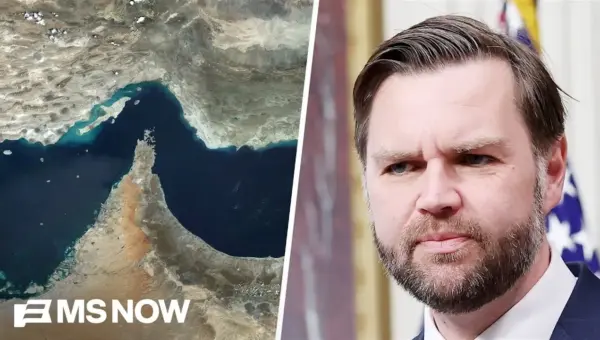
U.S. forces have commenced mine-clearing operations in the Strait of Hormuz, a critical waterway, amid high-level peace talks with Iran in Pakistan. The operation, seen as a positive sign, occurs while diplomats discuss Iran's nuclear program and regional stability. Experts weigh the risks, Iran's strategic leverage, and the complex interplay of international relations, including Israel's ongoing military actions.

US, Iran Hold Landmark Peace Talks in Pakistan
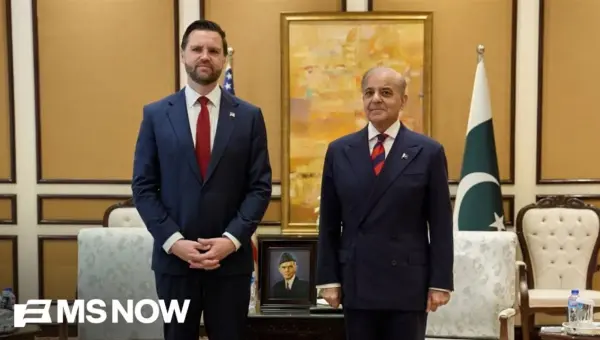
Top U.S. and Iranian delegations are holding landmark peace talks in Islamabad, Pakistan, mediated by the Pakistani government. This marks the first direct meeting between the two nations in nearly 50 years, with Vice President J.D. Vance leading the U.S. side.

Iran Talks Stall: US ‘Arrogance’ Fuels Mideast Stalemate
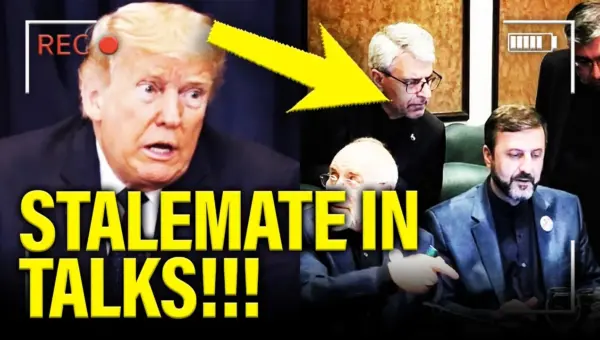
Peace talks between Iran and the U.S. in Pakistan have stalled due to what Iran calls "excessive demands" and a U.S. attempt to alter a pre-agreed 10-point framework. Tensions are high, with both sides expressing deep mistrust and a readiness for conflict.