Iran Nears Nuclear Threshold Amid Heightened Global Tensions
Iran is closer than it has been in decades to acquiring a nuclear weapon, having mastered uranium enrichment technology and stockpiled significant amounts of 60% enriched uranium. While intelligence suggests no current order to weaponize, Tehran's capability poses a growing concern amid heightened global tensions.

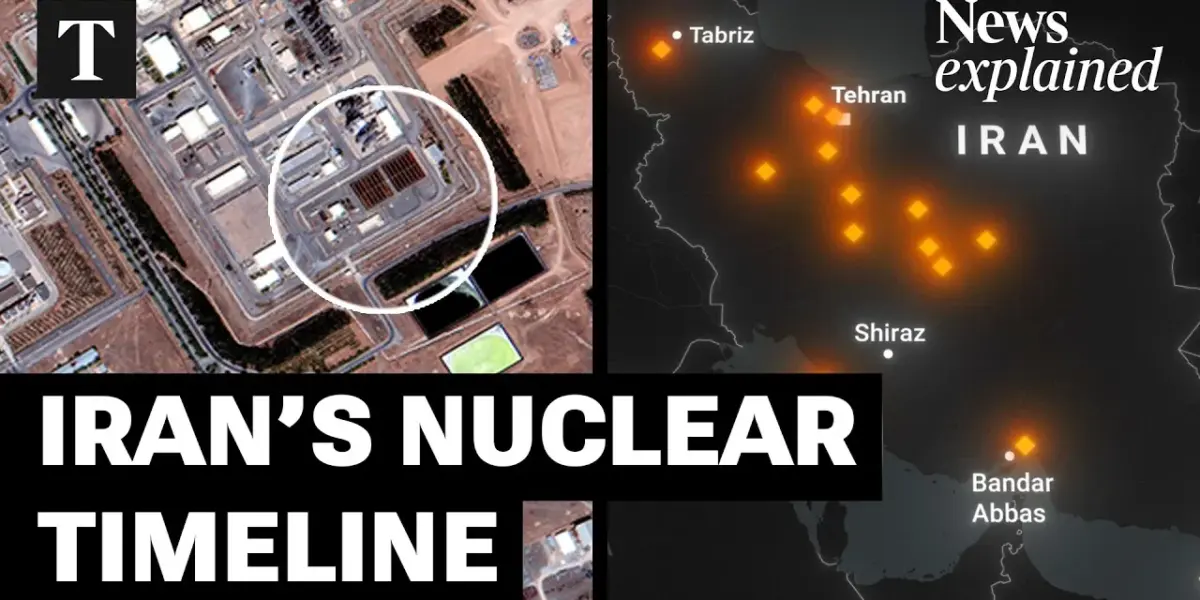
Iran’s Nuclear Ambitions Reach Critical Juncture
Tehran’s nuclear program is once again at the forefront of international concern, with experts warning that Iran is closer than it has been in decades to possessing a nuclear weapon. While Iran maintains its program is exclusively for peaceful purposes, recent advancements in uranium enrichment and a history of circumventing international oversight have fueled fears of a potential weaponization breakout. The current geopolitical climate, marked by regional instability and strained diplomatic relations, intensifies these anxieties, raising the specter of a nuclear-armed Iran.
Decades of Nuclear Pursuit: A Complex History
Iran’s journey toward nuclear capability is not a recent development. Ironically, the United States provided a foundational element by giving Iran its first research reactor. Following the 1979 revolution, Supreme Leader Ruhollah Khomeini initially opposed nuclear development but later restarted the program during the Iran-Iraq War, particularly after Iraq employed chemical weapons. Subsequent leaders, including the recently deceased Supreme Leader, are noted for expanding Iran’s nuclear activities beyond declared peaceful intentions, engaging in undeclared nuclear pursuits.
Mastering Enrichment: The Path to Weapons-Grade Uranium
A crucial step in nuclear weapon development is enriching uranium to weapons-grade levels. Iran has reportedly mastered this technology and has accumulated approximately 440 kg of uranium enriched to 60% purity. While this level is not yet sufficient for a bomb, it represents a significant technological leap, bringing Tehran considerably closer to the threshold of weapons-grade material, which typically requires enrichment to over 90%.
The Impact of the Iran Nuclear Deal and US Withdrawal
The Joint Comprehensive Plan of Action (JCPOA), negotiated under the Obama administration, aimed to freeze Iran’s nuclear program in exchange for sanctions relief. However, the US withdrawal from the deal under President Trump fundamentally altered the landscape. The transcript notes that after the US pulled out, Iran experienced a brief pause before recommencing and intensifying its nuclear activities, reaching the 60% enrichment level. The withdrawal also led to Iran operating largely unchecked by nuclear inspectors for a period, while simultaneously, sanctions imposed by the US made the nuclear program unsustainable by isolating Iran from the global financial system and hindering its access to necessary components.
Damage and Resilience: The Role of Covert Operations
In an effort to curb Iran’s progress, the United States and Israel have reportedly undertaken operations to damage Iran’s main enrichment centers. While these actions have inflicted significant damage, they have not succeeded in destroying Iran’s existing stockpile of enriched uranium. This resilience highlights the challenges in halting Tehran’s nuclear ambitions through direct action.
Intelligence Insights: Capability vs. Intent
Despite Iran’s advanced enrichment capabilities, intelligence monitors suggest there is currently no concrete sign that Tehran has made the decision to build a nuclear weapon or has ordered the weaponization of its nuclear material. Experts interpret the accumulation of enriched uranium as a strategic message – a demonstration of capability and a potential deterrent. It signals that Iran could quickly produce a weapon if it chose to do so, but has not yet crossed that final line.
“They still have the capability of doing so should they wish to do so and should Israel and America effectively allow them to do so.”
Future Scenarios: A Tightrope Walk on the Nuclear Edge
Looking ahead, analysts foresee several potential trajectories for Iran’s nuclear program. One prominent scenario, consistent with the legacy of the current leadership, is the continuation of a policy of ‘nuclear brinkmanship.’ This involves remaining on the verge of breakout capability without actually testing a nuclear device, serving as a strategic deterrent. Another possibility, though less defined, is the emergence of a new order from current regional and international chaos, which could reshape Iran’s nuclear policy. The situation remains highly volatile, with the decisions made by Iran, as well as the responses from the international community, particularly the US and Israel, playing a critical role in determining the ultimate outcome.
What to Watch Next
The international community will be closely monitoring Iran’s enrichment levels, its adherence to or defiance of IAEA inspections, and any signals regarding a potential weaponization decision. The ongoing regional tensions and the diplomatic efforts, or lack thereof, to revive the JCPOA or establish new agreements will also be crucial factors in assessing the immediate future of Iran’s nuclear program and its implications for global security.
Source: How Close Is Iran To Building A Nuclear Weapon? (YouTube)

Related Articles

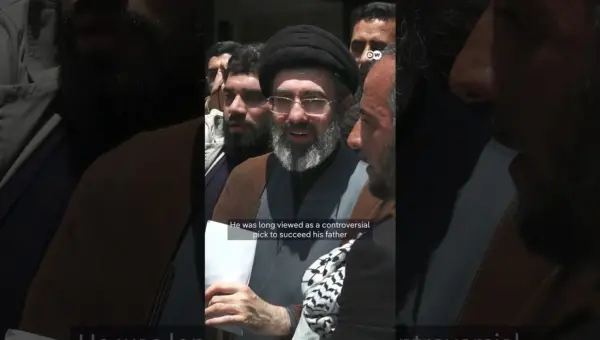
Iran Taps Khamenei’s Son as Leader, Signals Defiance
Iran's Assembly of Experts has appointed Mojtaba Khamenei, son of the late Ayatollah Ali Khamenei, as the next Supreme Leader, signaling defiance against international pressure. This controversial hardline choice, drawing parallels to dynastic succession, suggests Iran will not back down in its regional conflicts.
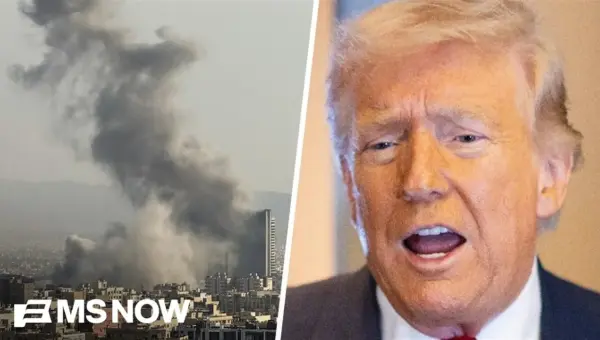
US Mulls Iran Ground Troops, Draft Amid Escalating Tensions
The White House is reportedly considering extreme military options against Iran, including the potential deployment of ground troops and even a military draft. Retired Colonel Jack Jacobs expressed skepticism about a draft but discussed limited scenarios for special forces raids.
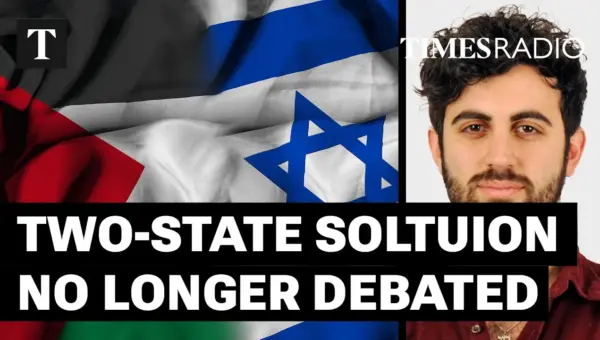
Israel’s Two-State Solution Hopes Fade Amidst Conflict
The two-state solution for the Israeli-Palestinian conflict is reportedly no longer a serious consideration in Israeli politics, according to Josh Glancy of The Sunday Times. Recent events and political shifts have accelerated this trend, while economic concerns mount over potential energy price shocks.