Iran Navigates Dual Crises: Domestic Protests Intensify Amidst U.S. Military Buildup
Iran is experiencing a surge in anti-government protests, particularly among students, amidst a significant U.S. military buildup in the region. While diplomatic talks are set to resume, the dual pressures of domestic unrest and international tensions raise concerns about potential escalation.

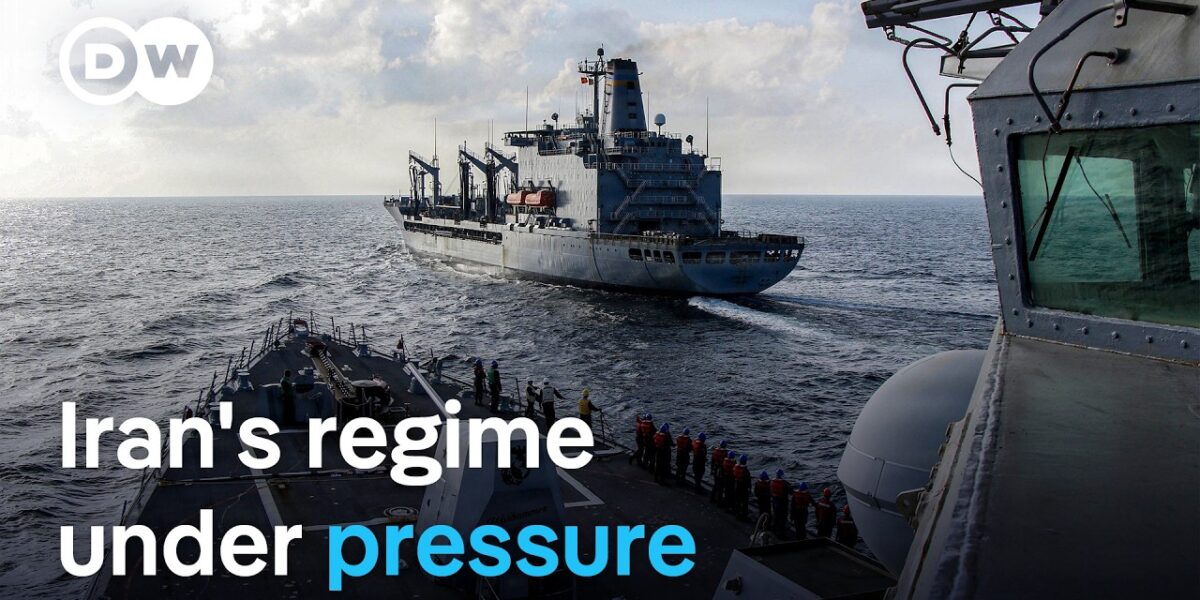
Iran Faces Mounting Pressure as Protests Erupt Amidst U.S. Military Escalation
Tehran finds itself at a critical juncture, grappling with a surge of domestic unrest while simultaneously confronting a significant military buildup by the United States in the Middle East. This dual pressure comes as diplomatic efforts surrounding Iran’s nuclear program are set to resume, highlighting a complex and volatile geopolitical landscape.
Students Lead the Charge in New Wave of Anti-Government Demonstrations
The clerical regime in Iran is facing renewed and intensified pressure from within, evidenced by student-led anti-government demonstrations that have entered their second day. Footage circulating online depicts clashes between pro- and anti-government protesters at a rally held in Tehran. This gathering was reportedly a tribute to the thousands of individuals who lost their lives during the mass demonstrations of the previous month. These current protests represent the most significant show of defiance against the regime since the brutal crackdown that followed the earlier unrest.
The protests have specifically taken hold on university campuses as the new academic semester begins. This timing is significant, coinciding with the traditional 40-day mourning period observed for those killed in early January, many of whom were students. This convergence of events underscores a deep-seated frustration within the student community and signals a persistent defiance against state repression. The structural issues driving these protests, including economic hardship, pervasive corruption, and the recent experience of extreme brutality, remain unaddressed, fueling continued dissent.
Middle East expert Renee Vid highlighted the enduring nature of these protests, stating, “It’s a sign of defiance. It’s a sign that Iranians are not stopping this protest because the structural situation of course is the same. They are frustrated with the economic situation with the corruption in the regime and now also with this enormous brutality that they have experienced.”
Diverse Slogans Reflect Shifting Political Landscape
Sia Bush Ranchbar Daimi, a senior lecturer in modern Middle Eastern history at the University of St. Andrews, noted the evolving nature of the protest slogans. While some students continue to advocate for the “Women, Life, Freedom” movement and the establishment of a secular Iranian republic, a segment of the student body has also begun to express support for monarchical restoration. This diversity of slogans indicates a complex and dynamic political discourse emerging within the student population, challenging not only the current authorities but also offering alternative visions for Iran’s future.
“We start to see slogans different from the ones we saw in the streets. Some of those slogans were in favor of of ravi of a monarch restoration. We saw part of that in some campuses in Tehran as well yesterday. But we also saw slogans in again in favor of the women life freedom movement for the establishment of an Iranian republic rather than an Islamic one against any form of tyranny against any form of in favor of democracy and legality,” Daimi explained.
Despite the authorities’ strategy of employing brute force to quell street demonstrations, the underlying resentments and structural issues that ignited the protests have not been eliminated. The current focus on university campuses, where a critical mass of students is gathering, presents a new challenge for the regime. Notably, security forces have not yet been deployed directly onto campuses, with pro-regime student groups reportedly being used to confront dissenting students. The decision to hold in-person classes, rather than shifting to online formats due to security concerns, suggests a degree of control being reasserted, though tensions remain high.
U.S. Military Buildup and Diplomatic Uncertainty
Simultaneously, the United States has significantly augmented its military presence in the region, assembling a substantial force within striking distance of Iran. This military posturing occurs against the backdrop of ongoing diplomatic negotiations concerning Iran’s nuclear program. Washington has signaled its growing impatience with Tehran’s stance.
Steve Witkoff, a White House envoy, expressed this sentiment on Fox News, stating, “I don’t want to use the word frustrated. It’s almost because he he understands he’s got plenty of alternatives, but it’s curious. He’s curious as to why they haven’t I don’t want to use the word capitulated, but why they haven’t capitulated. Why under this sort of pressure with the amount of um uh sea power, naval power that we have over there, why they haven’t come to us and said, ‘We profess that we don’t want to be we don’t want a weapon. So, here’s what we’re prepared to do.'”
Iran has consistently maintained that its nuclear program is for peaceful purposes and has rejected demands such as zero uranium enrichment. Despite the escalating tensions, Iranian Foreign Minister Abbas Arachi expressed cautious optimism regarding the upcoming talks. “If they want to find a resolution for Iran’s peaceful nuclear program, the only way is diplomacy. And we have proved this in the past and I believe that still there is a good chance to have a diplomatic solution which is based on a win-win game and and a solution is at our reach. So there is no need for any military buildup and military buildup cannot help it and and cannot pressurize,” Arachi stated.
However, Arachi also issued a warning, asserting that Iran is prepared to retaliate militarily if attacked by the United States.
Unclear Endgame and Risk of Military Confrontation
Middle East expert Renee Vid raised concerns about the clarity of the U.S. strategy. “The endgame of the um US um strategy here is very unclear because on the one hand we talk about the nuclear program as we’ve talked about it for decades and I think maybe a solution within the nuclear program would be possible but then the US also has talked about the allies um of the um Iran in the region. It has talked about the ballistic missile program that it wants to um that it wants to see um basically um gun and President Trump has talked about regime change. So the endgame here is unclear and what do you expect of the Iranian regime? Maybe you can come to an um to u an agreement in the nuclear file. But if you expect that this regime is going to give up, capitulate and agree to the expectation of regime change, that is not very realistic. And I think this is also the reason why we must expect a military confrontation here,” Vid commented.
The U.S. envoy’s expectation of capitulation is seen by some analysts as counterproductive to achieving a diplomatic breakthrough. The broader U.S. demands, extending beyond the nuclear issue to include Iran’s regional activities and missile program, coupled with rhetoric about regime change, create a complex and potentially intractable negotiating environment.
Impact on Iranian Society and International Relations
The dual pressures of internal dissent and external military threat are creating a climate of anxiety within Iran. Sia Bush Ranchbar Daimi noted the polarizing effect of potential foreign intervention: “Some people inside Iran are in favor of foreign intervention, others are very strongly opposed. As many other things, even this is a very polarizing issue within Iranian society at the moment. Um, people are still recovering from the trauma. They’re holding 40-day ceremonies for the dead. The memory of the Israeli strikes is still fresh from June last year. So, it is hard to gauge what the prevailing mood is, but there will be certainly a diversity of views regarding this. And and there’s a lot of panic. people are stockpiling uh food and and there is obviously a lot of panic because it is clear that an American offensive will be as virolent if not more than the Israeli one in June.”
The situation underscores the deep-seated challenges facing both the Iranian regime and international diplomacy. While the prospect of a diplomatic solution remains, the combination of internal instability, regional military posturing, and unclear strategic objectives on all sides creates a volatile environment where the risk of miscalculation and escalation remains high.
Source: Iran's regime caught between new protests and US military buildup | DW News (YouTube)

Related Articles

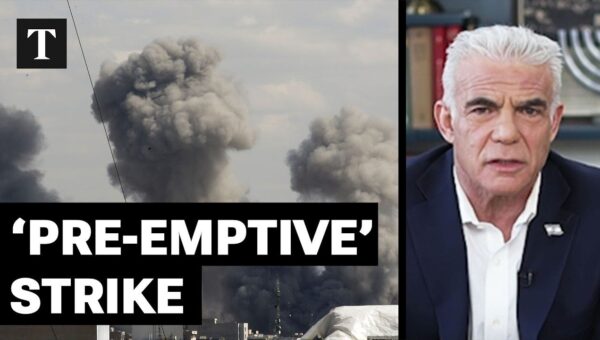
Israel Defends Iran Strikes, Cites Nuclear Threat
Israeli Opposition Leader Yair Lapid defended recent strikes against Iran, citing Tehran's nuclear ambitions and threats as justification for military action. He distinguished between accidental civilian casualties in defensive operations and intentional targeting by Iranian forces, while addressing the global implications of a nuclear Iran.
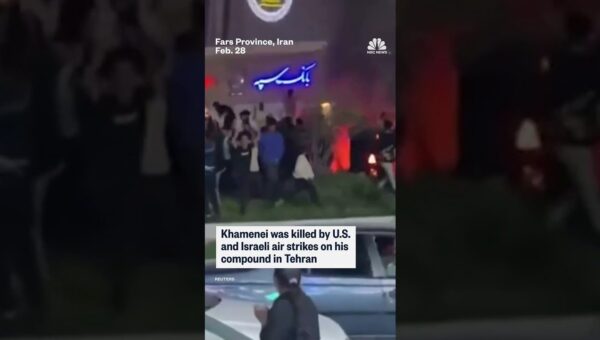
Protesters Topple Ayatollah Monument in Southern Iran
A crowd in southern Iran has toppled a monument dedicated to an Ayatollah, a significant act of defiance against the ruling religious establishment. This incident occurs amid ongoing nationwide protests fueled by economic hardship and political repression. The act symbolizes a rejection of the regime's authority and ideology.
Iran’s Nuclear Ambitions: Expert Explains Capabilities
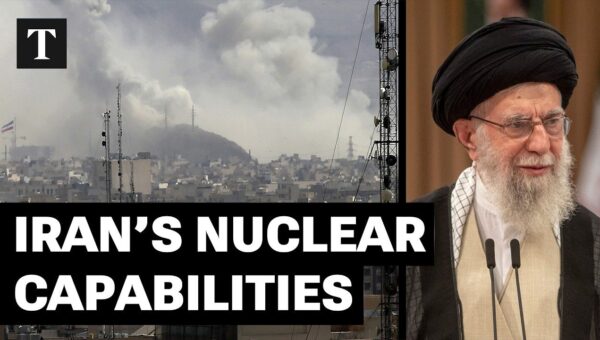
Expert Darya Dolzikova discusses the uncertainties surrounding Iran's nuclear program following U.S. strikes. Key concerns focus on fissile material and centrifuges, which are difficult to monitor remotely, alongside Iran's significant missile capabilities.