Iran Missiles Hit Israel, Exposing Defense Gaps
Iranian missiles struck the southern Israeli towns of Dimona and Arad, injuring civilians and damaging homes, highlighting potential gaps in Israel's defense shield. Prime Minister Netanyahu urged more countries to join the fight against Iran, emphasizing the need to halt its nuclear program and missile development.


Iranian Missiles Strike Israeli Towns, Damaging Homes and Injuring Civilians
Dozens of people were injured and homes were destroyed when Iranian missiles struck the southern Israeli towns of Dimona and Arad. The attacks, which occurred within the last week, have highlighted potential weaknesses in Israel’s advanced defense systems. Prime Minister Benjamin Netanyahu has called for increased international support in the ongoing conflict with Iran.
Residents Describe Chaos and Destruction in Dimona
In Dimona, a town located near Israel’s nuclear research center, the aftermath of the missile strike was stark. Residential buildings and even a kindergarten were reduced to rubble. Residents described scenes of chaos and fear as they sought shelter.
“When I got here, there was total chaos, a lot of destruction,” said one witness. “Nobody knew how to deal with the situation. We had to rescue people, get them out of their homes. We’ve rescued elderly people, children, adults, young people, women, and babies.”
Many homes in Dimona lack private safe rooms, forcing residents to rely on public shelters. Even these shelters offered little comfort during the attack. “We heard the boom above the shelter. The whole structure shook. Shock waves rattled the windows,” described one resident who was in a public shelter with her family. “Everybody huddled and tried to keep each other safe.”
Dimona’s Proximity to Nuclear Site a Factor
The town of Dimona holds particular significance due to its proximity to the Dimona Nuclear Research Center, which is widely believed to be involved in Iran’s undeclared military nuclear program. Residents expressed concern that this location makes them a prime target.
“Because we’re in Dimona, because of the nuclear reactor, we are very high on their list,” explained a local resident. Despite the danger, many expressed a strong resolve to continue supporting Israel’s actions. “I’m willing to pay the price as long as Israel continues all the way to the end,” another resident stated.
Netanyahu Urges Global Action Against Iran
Prime Minister Benjamin Netanyahu visited the affected areas, urging Israelis to remain vigilant and follow civil defense guidelines. He also appealed to international leaders to join the effort against Iran.
“Four things that they’re doing in 48 hours. And I asked the leaders of the world, the leaders of the free world, the leaders of the moderate states. What more are you waiting for?” Prime Minister Netanyahu stated, emphasizing the partnership between the US and Israel in this conflict.
Netanyahu stressed that the fight against Iran is not just for Israel and the United States but for the broader global community.
Expert Analysis: Iran’s Intentions and Defense System Vulnerabilities
Daniel Rubenstein, a political commentator and former advisor to Prime Minister Netanyahu, discussed the implications of the attacks. He stated that Iran’s intentions to harm Israel are clear and have been for a long time. The missile attacks, he argued, underscore the urgency of addressing Iran’s nuclear ambitions and ballistic missile program before they become overwhelming.
“The fact that some ballistic missiles got through last night is just a confirmation that we could not have waited until Iran had thousands more of these ballistic missiles that would have overwhelmed any missile defense system,” Rubenstein explained. He believes that Israel and the US had to act preemptively to degrade Iran’s capabilities.
International Support and Iran’s Isolation
Rubenstein also commented on Prime Minister Netanyahu’s call for broader international involvement. He suggested that allies should clearly condemn Iran’s behavior, including its calls for Israel’s destruction and support for terrorist groups. He also noted that some countries, like Germany, have increased defense cooperation with Israel, purchasing advanced missile defense systems.
“Much of the world is against what the Iranian regime is doing,” Rubenstein observed, suggesting that Iran is increasingly isolated on the global stage, despite its partnership with Russia and reliance on Chinese oil.
The Path Forward: Escalation and Regime Change
When asked about the possibility of further escalation and the pursuit of regime change in Iran, Rubenstein acknowledged that the conflict is complex. He described Iran as a formidable enemy with a large population and significant regional influence through proxy groups like Hezbollah, Hamas, and the Houthis.
He emphasized that the conflict is unlikely to end quickly and that Israel is committed to preventing Iran from acquiring nuclear weapons. “It stops when the United States and Israel have together decided that Iran has been so degraded that it no longer poses a threat,” he said.
Rubenstein expressed hope that the Iranian people would eventually seek to change their government. “I hope very much that the great people of Iran will see an opportunity in the future to take back their country which has been stolen from them by a death cult since 1979,” he concluded.
Looking Ahead
The recent strikes have brought the conflict into Israeli homes, testing the resolve of civilians and raising questions about the effectiveness of defense systems. As the war enters its fourth week, attention will remain focused on the strategic decisions made by both Israel and its allies, as well as the internal dynamics within Iran and the potential for further regional instability.
Source: Iran strikes near nuclear site exposes gaps in Israel’s shield | DW News (YouTube)

Related Articles


Trump Pauses Iran Strikes as Talks Yield Oil Shipments
President Trump has paused strikes on Iranian energy facilities for ten days as Iran offers oil shipments amid ongoing talks. The Pentagon is considering sending more troops, while domestic protests highlight divisions. The situation remains tense with significant economic stakes.

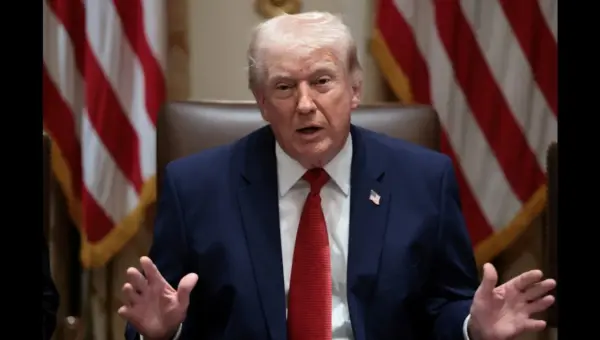
Trump Warns: Iran’s Nuclear Ambitions Threaten Global Safety
President Trump voiced strong concerns over Iran's nuclear ambitions, labeling its leaders "mad people" and warning of global devastation if they acquire nuclear weapons. His statements come amid escalating tensions and direct military exchanges between Iran and Israel.

Trump’s Iran War Escalation: A Risky Gamble?
Reports indicate the Trump administration is considering sending an additional 10,000 troops to Iran, a move that follows conflicting claims of diplomatic progress. Iran denies any negotiations, stating its demands for security guarantees and regional control. The potential escalation coincides with market instability and raises concerns about U.S. troop safety and economic consequences.