Iran Missile Strike Kills 9 in Israel, Netanyahu Vows Escalation
Nine people were killed and 28 wounded in a devastating Iranian missile strike on a synagogue in Beit Shemesh, Israel. Prime Minister Benjamin Netanyahu has vowed to intensify strikes on Tehran, as analysts discuss the escalating conflict and Iran's capacity for sustained resistance.

Deadly Strike on Beit Shemesh Rocks Israel Amid Escalating Tensions
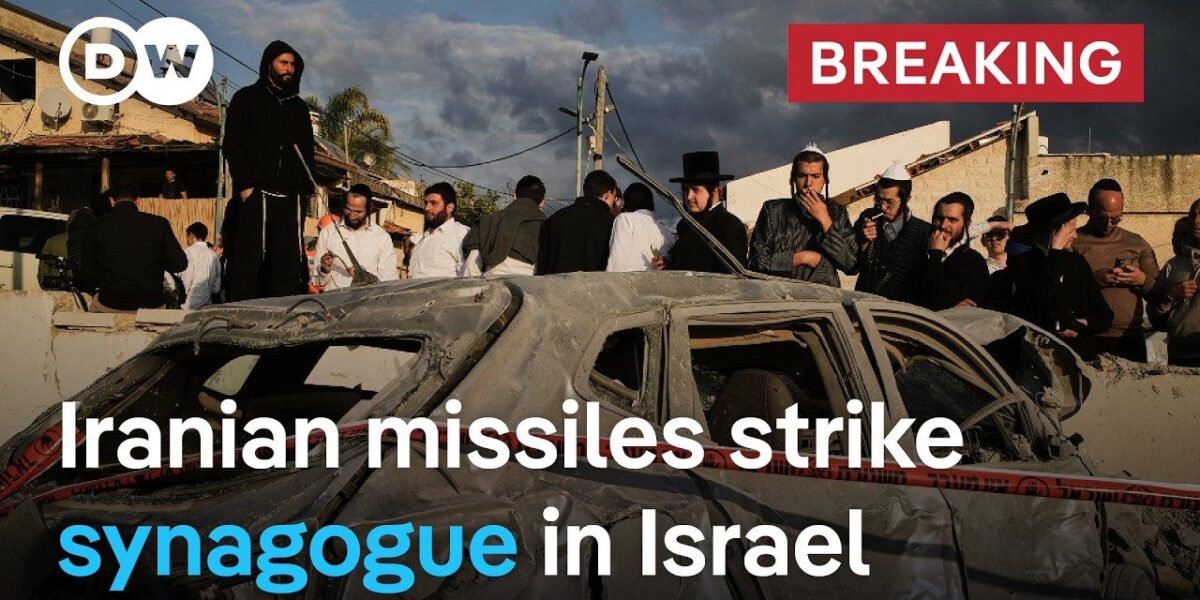
A devastating Iranian missile attack on the Israeli town of Beit Shemesh, west of Jerusalem, has resulted in the deaths of at least nine people and left 28 others wounded. The strike, which hit a synagogue, marks one of the deadliest assaults on Israel in the ongoing conflict. The casualties bring the total death toll in Israel to 11 following Iran’s earlier barrage of rockets and missiles.
Devastation in Beit Shemesh: A Direct Hit
Eyewitnesses and rescue service members described a scene of utter devastation in Beit Shemesh. One of the first responders on the scene recounted the harrowing experience of arriving at the impact site. “This is one of the deadliest attacks so far, an impact directly by a ballistic missile,” reported DW’s Tanya KMA from Beit Shemesh. “People there told me that people were actually on the way to protect themselves on the way to a public shelter when this missile apparently hit. And the devastation around in this area is really great.” The sheer power of the missiles that penetrate Israel’s defense systems was starkly evident, with surrounding houses also suffering damage, rendering them uninhabitable for residents. “This is the price to pay right now for them,” KMA added, underscoring the human cost of the attack.
Netanyahu Promises Intensified Strikes on Tehran
In response to the escalating attacks, Israeli Prime Minister Benjamin Netanyahu has vowed to intensify air strikes on Tehran in the coming days, declaring that the military has mobilized its “full strength.” In a strong statement, Netanyahu declared, “Our forces are now striking at the heart of Tehran with intense power and this will only escalate in the days ahead. We are engaged in a campaign in which the Israel Defense Forces are deploying their full strength as never before to ensure our existence and our future.”
Analysts Weigh in on Potential Escalation
DW’s Middle East analyst, Shani Brazan, discussed the potential implications of Israel’s threatened escalation. “We’ve seen Israel today operating into Iran in a capital that were not, you know, yesterday they were focusing mostly on getting the launchers and getting the missile stockpiles,” Brazan explained. “These are many of them are in the western part of Iran just for technical reasons as much it shortens the range between Israel and Iran. They’re seeing we’re seeing them getting more into Tehran today. They were attempting and claiming to have succeeded to bomb the military headquarters inside the capital.”
Brazan noted that both Israel and the United States possess an extensive list of potential targets within Iran. While acknowledging that intelligence suggests significant progress in degrading Iran’s offensive capabilities, she cautioned that real-time assessment of success remains challenging. “There are assumptions based on very meticulous intelligence that we know that Israel and the US have managed together. But it’s always a bit harder to assess exactly the level of success,” she stated. Both nations reportedly had a clear plan for the initial 72 hours of retaliatory action, with attention now turning to what lies beyond that initial phase.
Netanyahu’s Influence and Trump’s Role
The conversation also touched upon the dynamics between Israeli leadership and the United States, particularly concerning former President Donald Trump’s involvement. “We need to be very careful here because Trump will never admit being convinced or pushed into action by anybody else but himself,” Brazan commented. However, she credited Prime Minister Netanyahu with understanding how to appeal to Trump’s desire for significant foreign policy achievements. “Netanyahu managed to realize that Trump is eager for success. He’s eager for credit. And they have both together noticed how weak is the Iranian regime,” she said. The possibility of Trump being credited with toppling the Iranian regime or being associated with the demise of its leadership was seen as a powerful motivator.
Despite the perceived strategic alignment, concerns exist within Israel that this close collaboration could have adverse consequences if the operation does not proceed as planned. “I can also tell you in Israel there are some concerned that this very tight collaboration might backfire against Israel in case this operation goes array,” Brazan warned.
Iran’s Capacity for Sustained Resistance
A crucial question remains about Iran’s ability to sustain its resistance against the combined military might of Israel and the U.S. “That’s the great question. This is what will determine where how long this will go and how far will it escalate,” Brazan stated. Iran’s strategy appears to be one of playing for time, aiming to increase pressure on its adversaries. However, Israel and the U.S. have reportedly been highly effective, dismantling a significant portion of Iran’s missile launchers and stockpiles.
Brazan highlighted that Iran might adopt a slower pace of response or diversify its targets, potentially including energy infrastructure, which would signal a full-scale commitment to escalation. Currently, Iran’s proxies and allies appear to be acting with relative restraint, with limited actions reported beyond Iran’s direct initiatives. Even the Houthis’ promised actions in the Red Sea have yielded minimal success. “The Iranian regime was very weak at the get-go. It’s not quite sure how long they can try and sustain, but they will definitely try to play for time,” Brazan concluded.
Looking Ahead
As tensions continue to escalate, the international community watches closely. The coming days will be critical in determining the trajectory of this conflict, with the potential for further strikes and counter-strikes shaping the future of the region. The effectiveness of Iran’s response and its capacity to endure sustained pressure will be key factors in assessing the prolonged impact of these events.
Source: Iranian missiles kill 9 people and wound at least 28 others in strike on Beit Shemesh | DW News (YouTube)

Related Articles

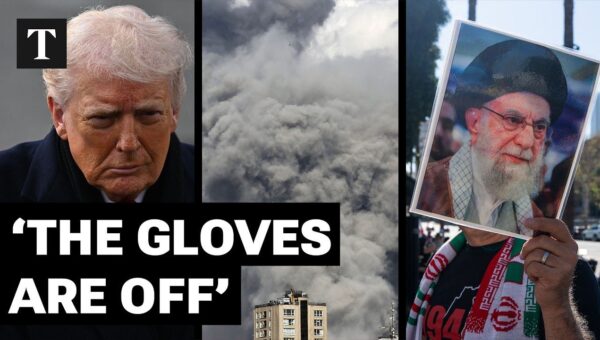
Iran Regime Change: Is It Further Off Than Expected?
Former diplomat Charlie Gammell suggests that the prospect of regime change in Iran may be further off than anticipated by the US and Israel. Despite strategic strikes and pressure, the Islamic Republic appears resilient and unified, with internal factors and the Iranian psyche playing a significant role in its endurance.


CIA Predicts IRGC Hardliner to Succeed Iran’s Supreme Leader
A CIA assessment suggests that the next Supreme Leader of Iran is likely to be an IRGC hardliner, not a moderate figure. This projection highlights the growing influence of the Revolutionary Guard within Iran's political structure. Such a succession could impact domestic policies and international relations.

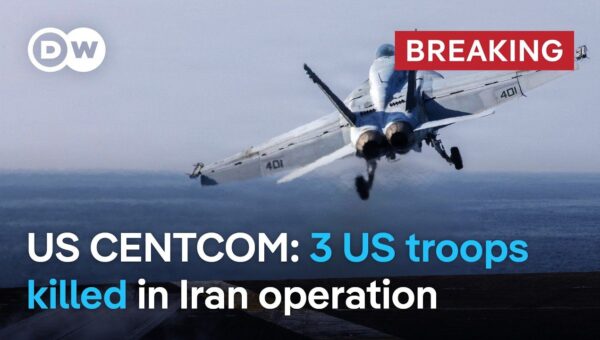
Middle East on Edge: Iran Retaliates Amid Regional Instability
Iran has launched retaliatory strikes against Israel and US bases in the Gulf following the reported assassination of Supreme Leader Ayatollah Ali Khamenei. The attacks have resulted in US casualties and heightened regional anxiety, with neighboring countries bracing for potential spillover effects. The escalating crisis has exposed divisions within Iran and prompted diplomatic efforts to prevent a wider conflict.