Iran Missile Site Blaze, GPS Jamming Spark Regional Alert
A fire has erupted at an Iranian missile site, coinciding with widespread GPS jamming across the country. Israel has mobilized its air defenses, while the U.S. and UK have moved military assets and personnel, signaling heightened regional tensions and potential conflict.


Iran Missile Site Engulfed in Flames Amidst Heightened Regional Tensions
TEHRAN, Iran – February 27th – A significant fire has broken out at an Iranian missile site, with smoke plumes visible rising from the facility, according to reports and footage emerging on February 27th. The incident at the alleged ballistic missile site, which is considered a critical component of Iran’s military capabilities, has coincided with widespread GPS jamming across the country and a significant mobilization of air defense systems by Israel and its Western allies.
Mysterious Blaze at Ballistic Missile Facility
Details surrounding the cause of the fire remain unconfirmed, with speculation ranging from an accident to covert operations. The blaze has ignited concerns given the strategic importance of Iran’s ballistic missile program. Footage circulating shows heavy smoke billowing from the site, indicating a substantial event that is currently unfolding.
Widespread GPS Jamming Grips Iran
Simultaneously, a pervasive GPS jamming phenomenon has been reported across Iran, including its capital, Tehran. Maps indicate extensive areas experiencing signal disruption. While the Iranian regime may be employing jamming to control information flow, external actors are also suspected. The exact perpetrators behind the jamming remain unknown, but the United States and Israel are among the potential parties involved, raising the stakes in an already volatile geopolitical landscape.
Western Military Assets Mobilize in Region
In response to the escalating situation, Western military forces have been observed making significant strategic movements. A notable shift involves the relocation of numerous aerial refueling tankers from Al Udeid Air Base in Qatar, the U.S. military’s largest base in the region. These tankers, identified as KC-135s and KC-46s, have been repositioned to Israel, specifically at Ben Gurion Airport, alongside civilian flights. This redeployment suggests a precautionary measure to distance vital assets from potential threats, given Qatar’s proximity to Iran.
Furthermore, advanced U.S. fighter jets, including F-22s and F-35s, have been moved to bases outside of Qatar, with F-22s reportedly stationed in Israel. The U.S. Navy’s aircraft carrier, the USS Gerald R. Ford, is also positioned off the coast of Israel.
Israel on High Alert, Bolsters Air Defenses
The Israeli Defense Forces (IDF) have entered a state of heightened alert, rapidly deploying defensive weapons and air defense systems across the country. The Iron Dome, a key component of Israel’s multi-layered air defense network, has been spotted near government buildings, signaling a strong expectation of incoming missile or drone attacks from Iran. This defensive posture, coupled with the presence of U.S. and British military assets in the region, indicates a serious concern among regional powers regarding potential Iranian retaliation.
“The fact that they are rushing and scrambling air defenses is a fairly good sign that Israel believes that the bombs are coming.”
Troubling Uranium Enrichment Reports Emerge
Adding to the growing tensions, a new report from the International Atomic Energy Agency (IAEA) indicates that Iran is storing highly enriched uranium at its facility in Isfahan. The uranium is reportedly enriched to near weapons-grade purity, approximately 60%. This revelation comes despite previous strikes on the facility, the effectiveness of which has been questioned. The presence of near weapons-grade uranium is a significant concern for international security and is likely to further embolden calls for preemptive action from the U.S. and Israel.
Adding to this, Iran’s Supreme Leader, Ayatollah Khamenei, has reportedly stated that the regime will not accept a suspension of its uranium enrichment activities. This stance suggests a continued commitment to nuclear development, despite ongoing international negotiations which are described as having “gone absolutely nowhere.”
Evacuations Underway Amidst Escalating Threat
In a clear indication of anticipated conflict, diplomatic missions and governments are undertaking precautionary evacuations. The UK government has announced the temporary relocation of some staff and their dependents from Tel Aviv to another location within Israel. This follows similar measures by the U.S. State Department, which authorized the departure of non-emergency personnel and their families from Israel due to escalating security risks. Warnings have also been issued to American citizens, urging them to leave the country via commercial flights.
British Forces Deployed in the Region
The United Kingdom has also increased its military presence and readiness in the region. A British fighter jet was tracked flying from Cyprus to Israel, and a drone has been deployed over areas including Syria, Jordan, and Israel. While the exact role of British forces is not fully defined, their involvement is expected to focus on defensive operations, such as intercepting ballistic missiles and drones, rather than offensive strikes.
Diplomatic Maneuvers and Future Outlook
The unfolding events are occurring amidst complex diplomatic maneuvering. Reports suggest intensive preparations in Israel for a visit by Secretary of State Antony Blinken, potentially coinciding with the next round of talks with Iran. However, there is speculation that this schedule may be a strategic “head fake” to lower Iran’s guard before potential military action. The timing of any potential strikes remains uncertain, with some analysts suggesting that the presence of high-level diplomatic visitors might delay immediate military operations.
As of February 27th, the situation remains highly dynamic. The fire at the Iranian missile site, coupled with GPS jamming, military asset redeployments, heightened air defense readiness, and concerning nuclear material reports, paints a picture of an imminent and potentially widespread conflict. The coming days will be critical in determining the trajectory of this escalating crisis in the Middle East.
Source: BREAKING: Iran Missile Site Hit By HUGE FIRE – Air Defenses MOBILIZING (YouTube)

Related Articles

Trump Agrees to Talks with Iran After Major Strikes
President Donald Trump has agreed to talks with Iran's leadership following coordinated strikes that reportedly killed key figures, including the Supreme Leader. While Trump claims significant military successes, U.S. strategy remains unclear, and public opinion shows limited support for the actions amid rising American casualties.


Iran Rejects Trump Ceasefire Offer Amid Escalating Regional Conflict
Iran has rejected a ceasefire offer from the Trump administration, escalating regional tensions and leading to U.S. casualties. The conflict, dubbed 'Operation Epic Fury,' has seen Iranian retaliatory strikes across the Middle East and disruption in the Strait of Hormuz.
Oil Prices Surge Amid Iran Tensions: Gas Costs to Rise?
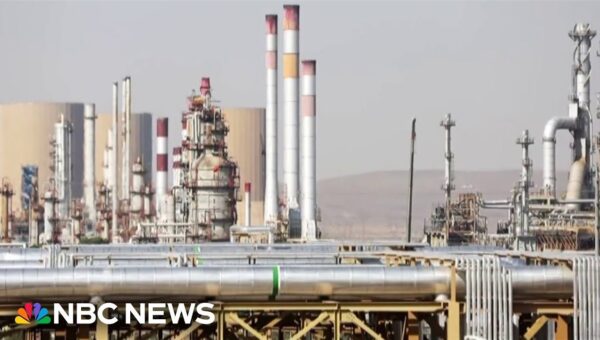
Escalating tensions involving Iran are poised to significantly impact global oil prices, with analysts predicting a potential $15-$20 per barrel spike. This could lead to a substantial increase in gasoline prices for consumers, exacerbated by disruptions to the crucial Strait of Hormuz shipping route. The broader economic implications include pressure on global supply chains and potential impacts on economic growth.