Iran Mines Strait of Hormuz, Raising Global Oil Fears
The Pentagon reports potential Iranian mine activity in the Strait of Hormuz, a critical global oil route. President Trump claims Iran seeks a deal, while experts urge caution, citing a gap between rhetoric and reality in escalating tensions.

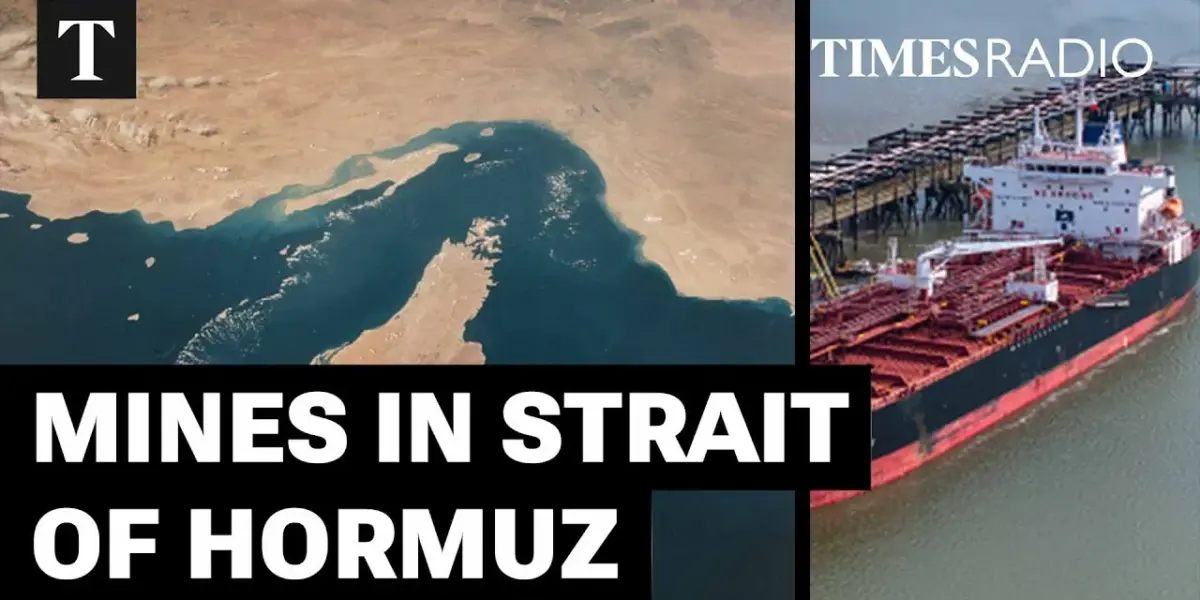
Pentagon Warns of Iranian Mines in Key Waterway
The Pentagon has indicated that Iran may have placed mines in the Strait of Hormuz, a crucial waterway for global oil transport. While the exact extent of this threat remains unclear, officials suggest it could be accomplished even from small boats. This development raises serious concerns about maritime security and the potential disruption of oil supplies.
Trump Claims Iran Seeks Deal Amid Escalating Tensions
President Donald Trump stated that Iran’s leaders are seeking a deal with the United States but are hesitant to admit it publicly. This claim comes amid heightened tensions and an ongoing conflict. The Iranian government, however, has dismissed an American peace proposal, calling it unrealistic. The President made these remarks at a Republican party fundraiser in Washington D.C., where he projected an optimistic view of American success in the Middle East and Iran’s perceived weakness.
“We’re winning so big. Nobody’s ever seen anything like we’re doing in the Middle East with Iran. And they are negotiating, by the way, and they want to make a deal so badly, but they’re afraid to say it because they figure they’ll be killed by their own people.”
President Trump described his administration’s actions against Iran as necessary, comparing it to removing a cancer that threatened nuclear capabilities. He expressed surprise that the conflict had not more severely impacted energy prices and stock markets, but maintained that the action was essential regardless of short-term economic effects.
Expert Analysis: Rhetoric vs. Reality in Iran Standoff
Steven Erlanger, Chief Diplomatic Correspondent in Europe for The New York Times, offered a more measured perspective. He described President Trump’s statements as typical of his style, often aimed at a domestic audience. Erlanger noted that Iran appears to be holding firm despite American pressure and ongoing attacks from the U.S. and Israel.
Erlanger suggested that Trump sometimes imagines conversations and scenarios that do not exist. He emphasized the lack of clear information about the situation inside Iran, including the extent of damage and the state of its leadership. Despite this uncertainty, Iran’s regime appears to be stable, maintaining control over the internet and suppressing dissent. The control of the Strait of Hormuz remains a significant bargaining chip for Iran.
While direct negotiations between the U.S. and Iran are unlikely, Erlanger believes indirect talks are occurring, possibly through intermediaries like Pakistan, Egypt, or Oman. However, current demands from both sides seem unacceptable, leading to fears of further escalation as American troops arrive in the region. Erlanger did not rule out the possibility of U.S. military actions, such as taking control of Iranian coastal areas or destroying Iranian missile sites near the Strait.
The Strait of Hormuz: A Critical Chokepoint
The Strait of Hormuz is a narrow waterway connecting the Persian Gulf and the Gulf of Oman. Approximately 30% of the world’s seaborne oil trade passes through this vital chokepoint daily. Any disruption here could have immediate and severe consequences for global energy markets.
Israel Expands Buffer Zone in Southern Lebanon
In related developments, Israeli Prime Minister Benjamin Netanyahu announced that Israeli forces would expand their buffer zone in southern Lebanon as part of an ongoing campaign against Hezbollah. This action highlights the broader regional instability and multiple fronts of conflict.
Concerns Over British Military Readiness
Separately, reports emerged about the state of the British military. Amidst a significant defense budget, there are concerns about the military’s capability. An article in The Times highlighted that army staff are reportedly using AI to create songs about perceived shortcomings in the military’s readiness. Experts suggest that years of underinvestment and failure to control costs have left the British army smaller and proportionally more expensive.
Matthew Savile, Director of Military Sciences at the Royal United Services Institute (RUSI), noted that while the UK has capable forces, it faces the consequences of underinvestment. He stated that the military is becoming increasingly expensive per person and per piece of equipment. The reality of industrial warfare, as seen in Ukraine, has highlighted the high costs of conflict and maintaining forces. Savile pointed out that the British army, with around 72,000 personnel, is significantly smaller than the forces involved in the conflict in Ukraine.
What to Watch Next
Attention remains focused on the diplomatic and military developments surrounding the Strait of Hormuz. The effectiveness of U.S. pressure tactics, the possibility of direct or indirect negotiations, and Iran’s response will be critical to monitor. Additionally, the ongoing regional conflicts and the readiness of key military powers like the UK will be important factors shaping the geopolitical landscape.
Source: Pentagon Reports Iran Dotted Mines In Strait Of Hormuz (YouTube)

Related Articles

U.S. Iran Tensions Rise Amid Shifting Alliances
Rising tensions between the U.S. and Iran are creating a volatile geopolitical situation. With conflicting signals on de-escalation and potential shifts in alliances like NATO and U.S.-Israel relations, the path forward remains uncertain. The global economy and regional stability hang in the balance.


Iran Targets US With Cyberattacks, Escalating Digital Warfare
Iran is increasingly using cyberattacks to challenge the U.S., as seen in a recent hack of the FBI director's account. Experts say this is a strategic shift due to Iran's limitations in conventional warfare. The U.S. needs to strengthen its digital defenses, focusing on encryption and cloud computing, rather than solely relying on traditional security measures.

Iran Hacks FBI Chief, Exposing U.S. Cyber Vulnerabilities
A recent hack of FBI Director Kash Patel's personal email by an Iran-linked group highlights Iran's growing cyber threat to the U.S. Experts explain how simple security oversights are exploited, emphasizing the need for basic defenses like two-factor authentication to protect against propaganda and potential infrastructure attacks.