Iran-Linked Militia Seizes US Journalist in Baghdad
American journalist Shelley Kittleson has been kidnapped in Baghdad by a group suspected of having ties to Iran-aligned militia Kata'ib Hezbollah. The incident highlights the dangerous environment for foreign nationals and journalists in Iraq and raises geopolitical tensions. U.S. authorities are working with Iraqi officials for her swift release.


Iran-Linked Militia Seizes US Journalist in Baghdad
A disturbing event has unfolded in Iraq as American journalist Shelley Kittleson was kidnapped in Baghdad. This incident raises serious questions about regional security and the safety of foreign nationals, particularly those reporting from conflict zones. The kidnapping, which occurred recently, involves an individual with ties to Iranian-aligned militias, highlighting ongoing geopolitical tensions in the Middle East.
Who is Shelley Kittleson?
Shelley Kittleson is an American journalist who contributed to The Al-Monitor, a Washington D.C.-based news organization focusing on the Middle East. She had been based in Rome and was reportedly in Baghdad at the time of her abduction. In a past interview with TRT World, Kittleson mentioned that she grew up in Wisconsin and began her journalism career in 2011. She reflected on her experiences in war zones, stating they had changed her significantly, giving her purpose but also causing nightmares.
The Kidnapping Details
According to the Associated Press and Iraqi sources, the kidnapping involved two cars. During an apparent chase near Baghdad, one car crashed. Kittleson was then moved to another vehicle, and the perpetrators fled the scene. Iraq’s Interior Ministry confirmed that one suspect has been arrested. Authorities have launched an operation to find the others believed to be involved.
U.S. State Department Response
The U.S. State Department has confirmed it is aware of Kittleson’s kidnapping. They stated that they had previously warned her about threats against her. The department is cooperating with the FBI to secure her swift release. The State Department also noted that her kidnappers are believed to have links to Kata’ib Hezbollah, an Iran-aligned militia group. The U.S. has a travel warning in place for Iraq, advising Americans against visiting the country due to security concerns.
The Al-Monitor’s Statement
The Al-Monitor expressed deep alarm over the kidnapping and called for Kittleson’s safe and immediate release. The news outlet mentioned that Kittleson had no known agenda, suggesting her work was purely journalistic. Her abduction highlights the risks journalists face when covering sensitive regions.
Potential Motivations and Regional Context
While the exact motive for the kidnapping is not yet clear, the suspected ties to Kata’ib Hezbollah are significant. This group is one of several Iran-backed militias operating in Iraq. These groups often have complex relationships with the Iraqi government and can act independently. Their actions can be influenced by Iran’s broader regional strategy, which often involves challenging U.S. influence and supporting proxy forces. The kidnapping could be an attempt to exert pressure, send a political message, or gain leverage in ongoing regional dynamics. It is not yet confirmed if this incident is directly related to the ongoing war in Iran, but the timing and the suspected perpetrators’ affiliations suggest a potential connection to wider geopolitical events.
Global Impact: Why This Reshapes the World Order
The abduction of an American journalist by a group linked to Iran sends ripples far beyond Iraq. It underscores the persistent instability in regions where global powers and local actors clash. For the United States, it presents a direct challenge, requiring a response that balances the need to protect its citizens with the complexities of regional diplomacy. Iran, through its allied militias, continues to project power and influence, often through asymmetric means like supporting militant groups. This incident could lead to increased scrutiny of Iran’s activities and potentially tighter sanctions or diplomatic pressure. The safety of foreign journalists and aid workers in such volatile areas is also a major concern. It highlights the risks involved in reporting from the front lines of geopolitical conflicts, potentially impacting the flow of information from critical regions.
Historical Context
The presence and actions of Iran-aligned militias in Iraq have a long history, particularly following the 2003 U.S. invasion. Groups like Kata’ib Hezbollah emerged and gained strength in the post-invasion chaos, often receiving support from Iran. These militias have been involved in numerous attacks against U.S. forces and Iraqi government interests. The U.S. has historically responded to such threats with sanctions and military deterrence. This kidnapping echoes past incidents where foreign nationals have been targeted, reflecting a pattern of using such actions as tools of political leverage in the region.
Economic Leverage
While not directly mentioned in the transcript, the economic dimension is always present. Iran faces significant U.S. sanctions, which impact its ability to fund proxy groups. However, these groups often operate with a degree of autonomy, using illicit means or local resources to sustain themselves. The U.S. uses sanctions as a primary tool to curb Iran’s influence and nuclear program. Any escalation resulting from this kidnapping could lead to further economic pressure on Iran or the groups associated with it. The stability of oil routes and resource control in the region also remains a constant economic consideration for global powers.
Future Scenarios
Several scenarios could unfold. The U.S. and Iraqi authorities might successfully negotiate Kittleson’s release through back channels, perhaps involving tribal leaders or other influential figures in Iraq. Alternatively, a more forceful approach might be considered, though this carries significant risks of escalation and further endangering Kittleson. The situation could also become a prolonged diplomatic standoff, with the U.S. increasing pressure on Iran to intervene. A less likely but possible scenario is that the group uses Kittleson for propaganda purposes, demanding concessions or publicity. The likelihood of each scenario depends on the specific objectives of the kidnappers and the strategic calculations of all parties involved.
Source: American journalist Shelly Kittleson kidnapped in Iraq | NewsNation Live (YouTube)

Related Articles
US Pushes Iran Harder: Troops Ready, Bombs Falling
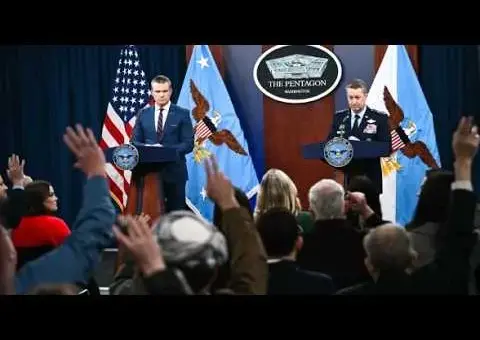
Defense Secretary Pete Hegseth revealed an escalation of U.S. military pressure on Iran, including troop visits and increased bombing campaigns. He highlighted the troops' desire to finish the mission and reported significant damage to Iranian morale and capabilities, while also noting ongoing diplomatic talks.


Iran Kidnaps Journalist; US Carrier Rushes to Region
An American journalist has been kidnapped in Iraq by Iranian-backed forces, prompting a U.S. military response that includes deploying another aircraft carrier to the region. The incident occurs amid escalating tensions, with ongoing strikes and Iran rejecting ceasefire calls, signaling a potentially volatile future.
B-52s Strike Iran Ammo Depot in Operation Epic Fury
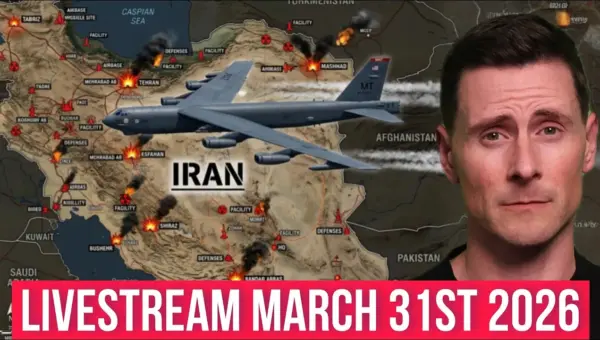
U.S. B-52 Stratofortress bombers recently flew overland missions into Iran, striking a key ammunition depot in Isfahan. The operation, dubbed 'Epic Fury,' utilized bunker-buster munitions to destroy hardened targets. This significant show of force demonstrates U.S. long-range strike capabilities.