Iran Leverages Strait of Hormuz in High-Stakes Global Gambit
Iran is strategically leveraging the vital Strait of Hormuz, a critical chokepoint for global oil trade, as its primary tool in escalating tensions with the US and Israel. Reporting from the front lines and expert analysis highlight the significant global economic and geopolitical ripple effects of Tehran's assertive posture.

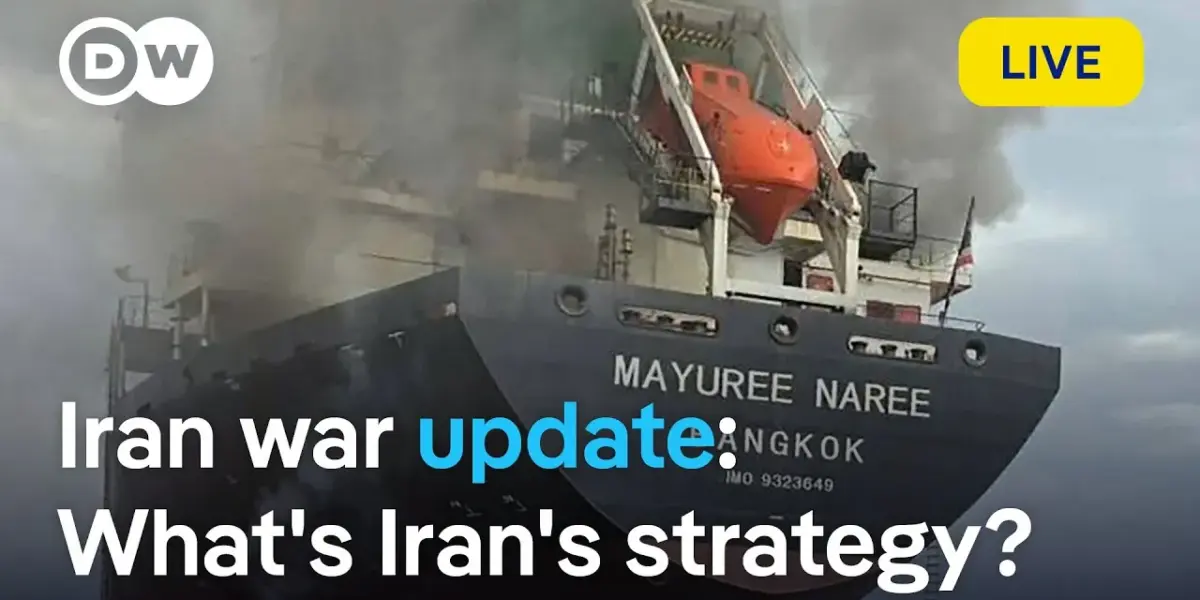
Strait of Hormuz: A Vital Artery Under Threat
The Strait of Hormuz, a narrow 33-kilometer waterway, stands as a critical chokepoint for the global economy, controlling the passage of a significant portion of the world’s oil supply. In a tense geopolitical climate, Iran appears to be employing its most potent strategic asset in its ongoing confrontation with the United States and Israel, sending ripples of concern through international markets and diplomatic circles. This escalating tension, centered around the US-Israeli war with Iran, has prompted close examination of Tehran’s long-term strategy and the influence of its new leadership.
Tehran’s Strategic Calculus and Leadership Shift
Sara Bazoobandi, from the Institute for Security Politics at Kiel University, offers insights into the Iranian regime’s strategic thinking. While the transcript does not detail specific policy changes under new leadership, the implication is that Iran is leveraging its geographical advantage in the Strait of Hormuz as a primary tool in its foreign policy and defense posture. This move suggests a calculated risk, aiming to exert maximum pressure on adversaries by threatening disruption to global energy flows, a card Iran has historically played when facing significant international pressure or perceived threats.
On the Front Lines: Reporting from the Strait
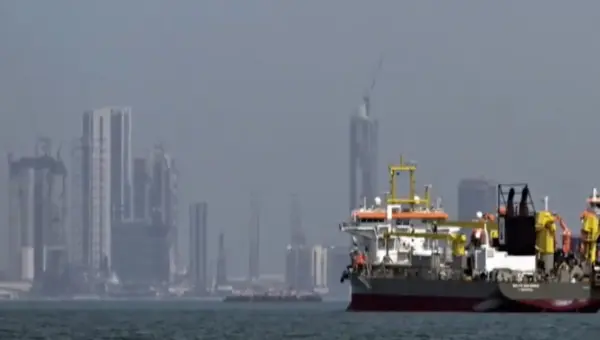
Philip Crowther, a correspondent with the Associated Press, provides a ground-level perspective from the Strait of Hormuz itself. His presence at this crucial maritime gateway underscores the immediate and tangible nature of the geopolitical developments. Reporting live from the scene allows for a direct observation of the heightened military readiness and the palpable tension that characterizes this strategically vital region. The proximity to the unfolding events offers a unique vantage point on Iran’s assertive stance and the potential consequences for regional and global stability.
Global Economic Repercussions
The Strait of Hormuz is not merely a regional flashpoint; it is intrinsically linked to the stability of the global economy. Approximately 30% of the world’s seaborne oil trade passes through this narrow passage daily. Any disruption, whether through military action, sanctions, or the threat thereof, can lead to immediate and significant spikes in oil prices, impacting everything from transportation costs to consumer goods. This makes Iran’s strategic positioning in the Strait a powerful lever that can influence global financial markets and the economic well-being of nations far removed from the Persian Gulf.
The Broader Geopolitical Landscape
The current situation in the Strait of Hormuz is framed within the wider context of the US-Israeli war with Iran. This conflict encompasses a complex web of alliances, rivalries, and proxy engagements. Iran’s actions in the Strait can be interpreted as a response to perceived existential threats and international isolation, particularly in light of sanctions and diplomatic pressure. The involvement of the United States and Israel adds another layer of complexity, potentially drawing regional powers into a wider conflict. The ripple effects of these tensions extend beyond the immediate belligerents, influencing international relations and potentially reshaping regional security dynamics.
Analyzing Iran’s ‘Last and Strongest Card’
The phrase “last and strongest card” suggests that Iran may be escalating its actions in the Strait of Hormuz because it perceives fewer viable options remaining. This could stem from a belief that conventional diplomatic or economic strategies have reached their limits, or that the current geopolitical climate presents a unique window of opportunity to assert its influence. The effectiveness of this strategy hinges on the global community’s dependence on uninterrupted oil flow and the willingness of international powers to tolerate or respond to potential disruptions. The potential for miscalculation on any side remains a significant concern, underscoring the precariousness of the situation.
Looking Ahead: What to Watch Next
As tensions remain high in the Strait of Hormuz, the international community will be closely monitoring several key developments. The response from global powers, particularly the United States and its allies, to any significant disruption in shipping will be crucial. Diplomatic efforts to de-escalate the situation and prevent further conflict will also be paramount. Furthermore, shifts in Iran’s internal political landscape and its leadership’s strategic decisions will continue to shape the trajectory of this volatile geopolitical standoff. The economic impact, particularly on global energy markets, will serve as a constant barometer of the escalating situation.
Source: Live: How Iran is playing its last and strongest card in the Strait of Hormuz | DW News (YouTube)

Related Articles
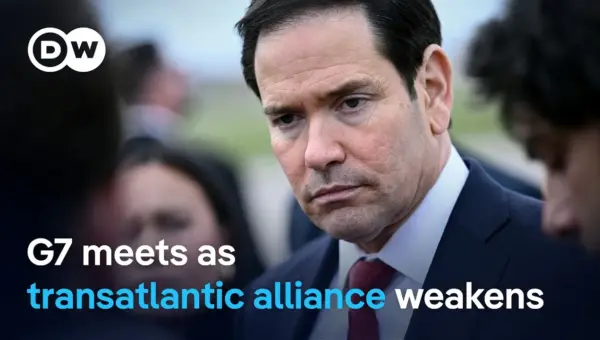
G7 Allies Clash Over Iran War Strategy, Urge Focus on Russia
G7 foreign ministers met in Paris, revealing deep divisions over the U.S. war with Iran. European allies urged the U.S. to pressure Russia, linking its actions to the conflict and fearing support for Ukraine will wane.
Iran Blocks China Ships, Exposing Beijing’s Weak Grip
Iran's recent decision to block Chinese ships at the Strait of Hormuz is exposing the limits of Beijing's influence in the Middle East. This action is causing delays and cancellations for Chinese manufacturers, turning a perceived geopolitical win into an economic strain.
Rubio: US Can Achieve Iran War Goals Without Troops
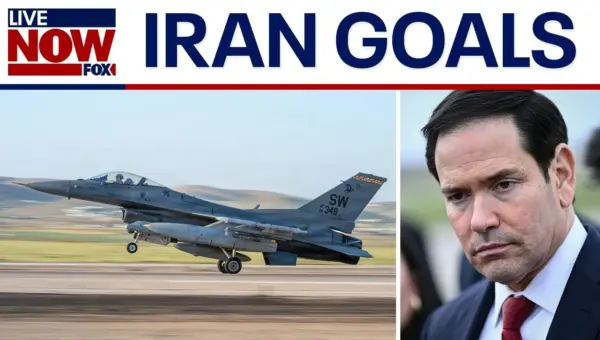
Senator Marco Rubio outlined a strategy to counter Iran without deploying U.S. ground troops, focusing on weakening the regime and enhancing maritime security. He also criticized Cuba's economic system and expressed concerns about West Bank violence.