Iran Launches Cyberattack on US Medical Firm Amid Escalating Tensions
Iran has launched a significant cyberattack against a U.S. medical tech company in Michigan, signaling retaliation amid escalating tensions and ongoing U.S. military operations. The attack highlights the growing threat of cyber warfare in international conflicts.

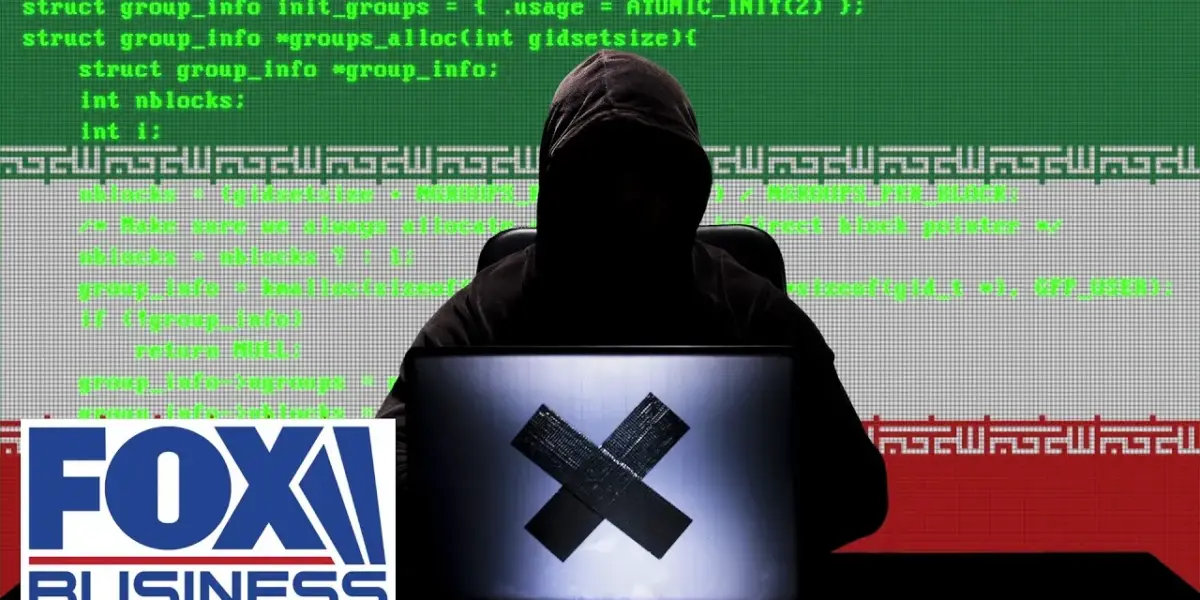
US Faces Retaliation as Iran Targets Medical Company
In a significant escalation of ongoing geopolitical tensions, Iran has launched a serious cyberattack against a U.S. medical technology company based in Michigan. The attack, which targeted a provider of medical equipment, marks a clear retaliatory move by the Iranian regime following recent military actions by the United States. This incident underscores the evolving nature of conflict, with cyber warfare emerging as a potent tool in international disputes.
Operation Epic Fury and the Push for Supplemental Funding
The cyberattack occurs as “Operation Epic Fury,” a U.S. military campaign, enters its 13th day. President Trump, speaking at a rally in Kentucky, characterized the operation as highly successful, stating that significant portions of Iran’s air force, radar, anti-aircraft equipment, missiles, and drones have been destroyed. “Their air force is gone, totally gone,” President Trump declared, emphasizing the need to “finish the job” to avoid prolonged conflict. He also highlighted the destruction of factories producing Iranian weaponry.
The need for sustained military operations has brought the issue of defense funding to the forefront. House Speaker Mike Johnson has indicated that supplemental legislation is “inevitable,” with reports suggesting a package upwards of $50 billion. Senator Cynthia Lummis, a member of the Armed Services and Intelligence Committees, discussed the ongoing negotiations with the Department of Defense, State Department, and the White House to determine a figure that will support the war effort through its conclusion. “It is being executed in such a quick manner that I think we are going to find that somewhere between 50 and 75 billion dollars will probably do it,” Senator Lummis stated, expressing optimism that such funding would be well-received by Republicans, drawing a contrast with the open-ended nature and cost of the war in Afghanistan.
Broader Implications: Energy, AI, and Geopolitics
The conflict’s impact extends beyond military and cyber domains, influencing global energy markets and the race for technological supremacy. Senator Lummis pointed out that Iran’s control of the Strait of Hormuz has paradoxically led to increased oil exports for the regime. This situation, coupled with the global demand for energy to power the burgeoning field of Artificial Intelligence (AI), creates complex economic pressures.
“President Trump was very clear with AI players, hyperscalers: if you want to build out data centers, take on that cost of electricity as well,” Senator Lummis explained. She elaborated on how companies are clustering data centers and developing their own power sources, often utilizing natural gas in states like Wyoming. This proactive approach, along with advancements in nuclear energy, is seen as crucial for the U.S. to maintain its lead in the AI race against China without unduly burdening consumers with higher electricity prices.
Digital Assets Legislation and Banking Industry Dynamics
Beyond defense and energy, Senator Lummis provided an update on critical digital asset legislation, specifically the “Clarity for Payment Stablecoins Act.” The banking industry, particularly large banks and the American Bankers Association, has been actively lobbying Congress. Their primary concern revolves around crypto platforms offering rewards that they argue could be misconstrued as bank-like products, potentially circumventing regulations.
“It is this has evolved in an interesting way. You have the big banks behind the scenes are building their own digital asset shops with their own proprietary products, back office functions. Their public face is working against the digital asset companies.”
Senator Cynthia Lummis
Senator Lummis highlighted a complex dynamic where large banks publicly oppose digital asset companies while simultaneously developing their own digital asset infrastructure. Community banks and credit unions, however, have shown more receptiveness to innovation in the digital asset space. A recent compromise involving Coinbase, which agreed to reframe its reward offerings to avoid language perceived as bank-like, has been a significant development. However, Senator Lummis noted that despite this concession, the banking industry continues to push back, a stance she finds perplexing given the compromises made.
The debate also touches upon regulatory parity, with questions raised about FDIC insurance for cryptocurrency platforms compared to traditional banks. Senator Lummis argued that the 100% hard asset-backed reserves required for payment stablecoins differ fundamentally from the fractional reserve system of traditional banking, suggesting that full FDIC insurance may not be necessary for stablecoins. She expressed hope that the Clarity for Payment Stablecoins Act could be marked up by the Senate Banking Committee before the end of April, emphasizing the urgency to move forward.
Legislative Outlook and Future Challenges
The legislative agenda remains packed, with discussions around the SAVE Act and other critical bills. Senator Lummis acknowledged the challenges in passing legislation, particularly in the current political climate. The prospect of a “talking filibuster” for the SAVE Act was discussed, though Lummis noted a lack of consensus even within the Republican party for such a procedural tactic, citing the risk of consuming valuable calendar time without guaranteed passage.
Looking ahead, the U.S. faces a complex geopolitical landscape marked by escalating cyber threats from Iran and the ongoing need for robust defense funding. Simultaneously, domestic policy debates continue around the future of digital assets and energy infrastructure, all against the backdrop of a fierce global race for AI dominance. The successful navigation of these intertwined challenges will be critical in shaping national security and economic prosperity in the coming years.
Source: RETALIATION BEGINS: Iranian regime launches SERIOUS cyberattack on US medical company (YouTube)

Related Articles


Trump’s Iran Gambit: Can He Claim Victory in a Full Retreat?
Could President Trump claim a victory by withdrawing U.S. forces from Iran? This analysis explores how a retreat could be framed as a success, focusing on weakened Iranian capabilities and broader regional shifts. The core issue remains Iran's financing of proxy groups, a challenge that persists regardless of U.S. presence.


US Energy Chief’s ‘Alien’ Secret Shakes Global Trust
A former US Secretary of Energy allegedly confessed to classified briefings about extraterrestrial life, causing him immense distress. This revelation, if true, could profoundly impact global trust in government and reshape our understanding of reality.


Iran Missile Threatens U.S. F-18 Near Chabahar
A U.S. Navy F-18 Super Hornet evaded a surface-to-air missile fired by Iran near Chabahar. The incident highlights advanced U.S. countermeasures and ongoing regional tensions.