Iran Kidnaps Journalist; US Carrier Rushes to Region
An American journalist has been kidnapped in Iraq by Iranian-backed forces, prompting a U.S. military response that includes deploying another aircraft carrier to the region. The incident occurs amid escalating tensions, with ongoing strikes and Iran rejecting ceasefire calls, signaling a potentially volatile future.


Iran Kidnaps Journalist; US Carrier Rushes to Region
A disturbing event unfolded recently when an American journalist, Shelley K. Dson, was reportedly kidnapped in Baghdad, Iraq. Dson, an independent reporter who has worked with major news outlets, was allegedly taken from her vehicle in broad daylight. The Iraqi Ministry of Interior confirmed a foreign journalist was kidnapped, stating that security forces launched an operation to find the perpetrators. They reported intercepting a vehicle used in the crime, arresting one suspect, and recovering the vehicle. However, at the time of this report, Dson had not been rescued.
Reports suggest the kidnapping was carried out by Iranian-backed militia forces. Alex Plits, a veteran and identified as Dson’s US point of contact, confirmed her abduction and suggested she may have been taken hostage by Iraqi Hezbollah. He urged anyone with information to contact law enforcement or media outlets to help secure her safe return. The footage of the abduction, captured by surveillance cameras, shows individuals forcibly removing Dson from her car.
Escalating Tensions and Military Response
This incident occurs amid heightened tensions in the region. In response to the ongoing conflict and the kidnapping, the U.S. is deploying another aircraft carrier, the USS George H.W. Bush, to the region. This carrier group, equipped with numerous fighter jets, is expected to arrive within about ten days, potentially to replace another carrier already deployed. This move signals a significant increase in U.S. military presence and readiness.
Simultaneously, military strikes are reportedly continuing. Reports indicate strikes against Hezbollah in Lebanon, with visible smoke and sounds of gunfire. Further strikes have been reported in Shiraz, Iran, possibly targeting underground facilities. There are also unconfirmed reports that the Natanz nuclear facility in Iran has been targeted. Additionally, an attack on the airport in Tyr, Iran, reportedly destroyed about a dozen aircraft.
Diplomatic Standoff and Security Alerts
Diplomatic efforts appear to be faltering. Iran’s foreign minister has rejected calls for a ceasefire, demanding a complete end to the war with guarantees against future attacks and compensation for damages. Iran has also stated it is prepared for any ground confrontation. This comes as thousands of U.S. troops are reportedly moving into the region for potential ground operations.
The situation has led to security alerts for American citizens. The U.S. State Department has advised all Americans in Saudi Arabia to shelter in place and avoid hotels, U.S. businesses, and educational institutions. This warning follows statements from Iran indicating potential strikes against U.S. businesses and hotels.
Losses on Both Sides
The conflict has also seen the reported deaths of senior leaders. An officer from the IRGC’s aerospace force, Ali Tavassoli, has been killed. Another IRGC engineering officer, Muhammad Sagahi, responsible for tunnels and underground missile sites, has also reportedly been eliminated. These losses suggest significant impacts on both sides of the conflict.
Why This Matters
The kidnapping of an American journalist by forces linked to Iran is a grave development that significantly raises the stakes in an already volatile region. It directly involves American citizens and raises the immediate prospect of a high-risk hostage rescue operation. The U.S. response, including the deployment of an additional aircraft carrier and strong rhetoric about bringing those responsible to justice, indicates a serious commitment to securing the journalist’s release and deterring future actions.
This event, coupled with ongoing military strikes and Iran’s rejection of ceasefire talks, points to a potential escalation of the conflict. The security alert for Americans in Saudi Arabia highlights the widening reach of the conflict’s dangers. The reported deaths of senior Iranian officials suggest that military actions are having tangible effects, potentially leading to further retaliatory measures.
Implications, Trends, and Future Outlook
The immediate trend is one of increasing military engagement and decreasing diplomatic progress. The kidnapping could serve as a catalyst for more direct U.S. military action, potentially beyond airstrikes, to secure the journalist’s release. This could involve special operations forces, mirroring past hostage rescue missions. The deployment of another carrier group indicates a long-term strategic commitment to the region, suggesting the U.S. anticipates a protracted period of heightened tension.
The future outlook is uncertain but leans towards continued escalation. Iran’s stance on not accepting a ceasefire suggests a determination to pursue its objectives, regardless of the cost. The U.S. commitment to protecting its citizens and allies, combined with Iran’s actions, creates a dangerous cycle of provocation and response. The possibility of ground operations by U.S. troops remains a significant concern, which could dramatically alter the scope and intensity of the conflict.
Historical Context and Background
The relationship between the U.S. and Iran has been fraught with tension for decades, particularly since the 1979 Iranian Revolution. This history includes various proxy conflicts, cyber warfare, and periods of heightened military posturing. The current situation echoes past flashpoints where American interests or citizens have been directly threatened, often leading to forceful responses from the United States. The use of proxy forces by Iran to carry out such actions is a tactic employed to exert influence and project power while maintaining a degree of plausible deniability.
The region has long been a complex geopolitical chessboard, with multiple actors vying for influence. The involvement of groups like Hezbollah, which receives support from Iran, is a key element in this dynamic. The U.S. military’s presence, including its carrier strike groups, is a long-standing strategy to project power and deter aggression in the Middle East. The recent events are not occurring in a vacuum but are part of this ongoing, intricate regional power struggle.
Source: BREAKING: Iran KIDNAPS American Journalist – U.S. Carrier RACING In (YouTube)

Related Articles
B-52s Strike Iran Ammo Depot in Operation Epic Fury
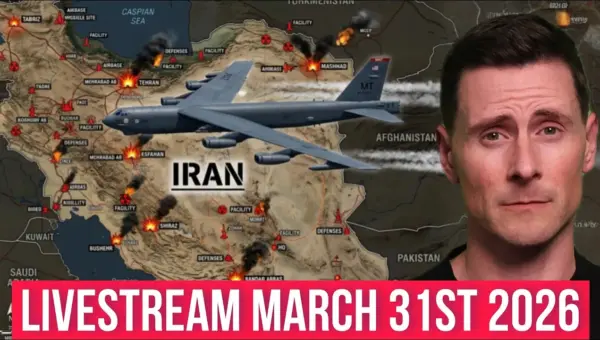
U.S. B-52 Stratofortress bombers recently flew overland missions into Iran, striking a key ammunition depot in Isfahan. The operation, dubbed 'Epic Fury,' utilized bunker-buster munitions to destroy hardened targets. This significant show of force demonstrates U.S. long-range strike capabilities.
Dem Hopeful’s Silence on Khamenei Death Sparks Outrage
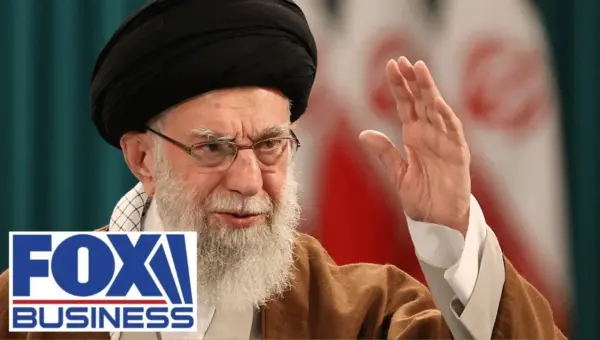
A leaked audio recording reveals a Michigan Democratic Senate hopeful's alleged advice to stay silent on Ayatollah Khamenei's death, sparking outrage. The controversy occurs amid an internet blackout in Iran, hindering potential uprisings. The candidate's stance raises questions about political alignment and voter sympathy.

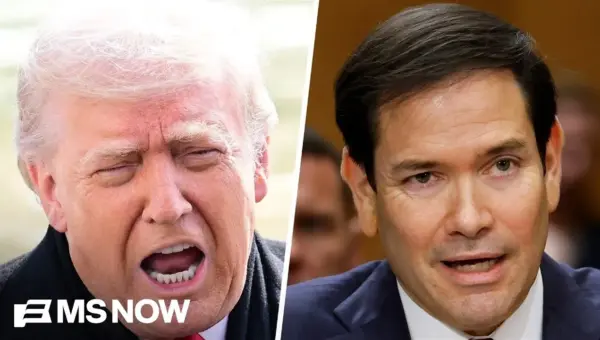
Trump’s Iran War Strategy Risks NATO, Allies Furious
Former President Trump's push for a swift end to the Iran conflict faces military limitations and has angered key allies, straining the NATO alliance. Domestic concerns over the economy and Trump's political future add further complexity to the volatile situation.