Iran, Israel Escalate; Gulf Tensions Threaten Global Oil
Israel and Iran are engaged in escalating strikes, threatening the vital Strait of Hormuz oil route. Diplomatic efforts, led by Pakistan, aim to broker a deal to stop the fighting and reopen the waterway. However, tensions remain high, with potential for a global energy crisis.


Iran, Israel Escalate; Gulf Tensions Threaten Global Oil
Tensions in the Middle East are rising as Israel continues to strike targets in Iran. This escalation is putting a vital global oil shipping route, the Strait of Hormuz, at risk. Diplomatic efforts are underway to prevent further conflict and an energy crisis.
Israel Strikes Iranian Targets Amid Escalation
Israeli forces have been hitting targets inside Iran, including a petrochemical complex on the coast. The Israeli Ministry of Defense confirmed these strikes. Targeted assassinations of Iranian leaders have also continued. One notable strike was against Iran’s Revolutionary Guard intelligence chief. This individual was relatively new to the job, as the previous intelligence chief was also killed by Israel.
These actions have led to retaliations from Iran. Northern Israel, particularly the Haifa area, has seen attacks. Overnight, a residential area was hit, leaving at least four people dead according to health officials. Rescue crews were seen sifting through the rubble.
Diplomacy Tries to Prevent Wider Conflict
Amidst the ongoing fighting, there is a last-minute push for a diplomatic solution. Pakistan is reportedly trying to broker a deal between Iran and Israel. This proposed deal aims to stop the fighting in the short term. It also seeks to reopen the Strait of Hormuz. In the longer term, the framework could lead to talks about Iran’s nuclear program and the lifting of sanctions on Iran.
Iran’s Foreign Ministry has acknowledged receiving a deal proposal. They stated they are carefully reviewing it. The ministry also noted that positions were conveyed through mediators from the beginning. They see the exchange of messages as normal. However, Iran stressed that negotiations cannot happen alongside ultimatums, crimes, and threats of war.
Strait of Hormuz: A Critical Global Lifeline
The United States President has demanded the immediate reopening of the Strait of Hormuz. This waterway is crucial for global oil trade. He has warned of further escalation if it remains closed. The International Energy Agency has cautioned that Europe could face an energy crisis within weeks. Fuel supplies might become scarce, leading to bigger problems.
Iran has stated they will not be moved by threats. Despite the diplomatic talks, the flow of missiles has not slowed down. Alerts remained active in Tel Aviv, with recent interceptions reported. The situation remains tense, with no clear end to the fighting in sight.
Global Impact: Oil Prices and Energy Security
The conflict directly impacts global energy markets. The Strait of Hormuz is a critical chokepoint for oil tankers. About 30% of the world’s seaborne oil trade passes through it. Any disruption could cause oil prices to spike worldwide. This would affect economies globally, especially those heavily reliant on imported oil.
Europe is particularly vulnerable. The continent depends on oil and gas imports. A disruption in supply could lead to shortages and higher energy bills for consumers and businesses. This could also slow down economic growth across the continent.
Historical Context: A Long History of Regional Tensions
Tensions between Iran and Israel are not new. They have been engaged in a shadow war for years, often through proxy forces and cyberattacks. However, direct strikes like the recent ones mark a significant escalation. The Strait of Hormuz has also been a focal point of regional disputes for decades. Iran has previously threatened to close it during times of heightened conflict.
The current situation echoes past crises in the Persian Gulf. These events have often led to increased oil prices and international diplomatic maneuvering. The involvement of a mediator like Pakistan highlights the regional and international concern over a potential wider conflict.
Economic Levers: Sanctions and Trade Dependencies
The mention of lifting sanctions on Iran is a key part of the diplomatic framework. Sanctions have significantly impacted Iran’s economy. They limit its ability to export oil and access international financial markets. For Iran, the removal of these sanctions is a major incentive for de-escalation.
Conversely, the threat of further escalation could lead to more sanctions from international powers. This would further isolate Iran economically. The global reliance on oil flowing through the Strait of Hormuz gives the involved parties significant economic leverage.
Future Scenarios
Several outcomes are possible. One scenario is a successful diplomatic resolution. This would lead to a de-escalation, reopening of the Strait, and potential talks on Iran’s nuclear program. Another scenario is continued, limited escalation. This could mean more strikes and retaliations but without a full-blown war.
A more dangerous scenario involves a wider regional conflict. This could draw in other countries and severely disrupt global oil supplies. The current trajectory suggests a continued tense standoff, with both sides aware of the high stakes involved.
Source: Israel strikes Iranian petrochemical plant | Morning in America (YouTube)

Related Articles
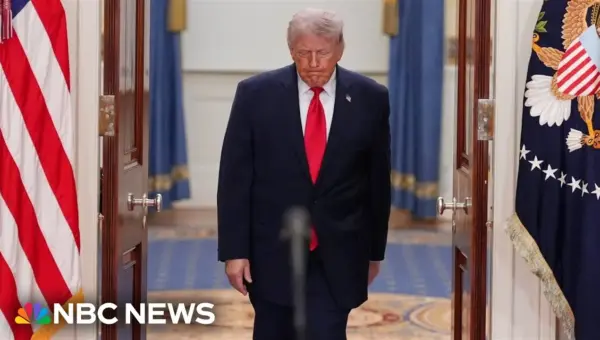
Trump Threatens Iran with ‘Hell’ Over Strait of Hormuz
President Trump has issued a new deadline for Iran to open the Strait of Hormuz, threatening strikes on civilian infrastructure if demands are not met. Meanwhile, the U.S. military successfully rescued a second crew member from a downed fighter jet, with the CIA reportedly playing a role in the operation. The conflict's economic impact is evident in rising gas prices, while military analysts question the extent of U.S. air superiority over Iran.
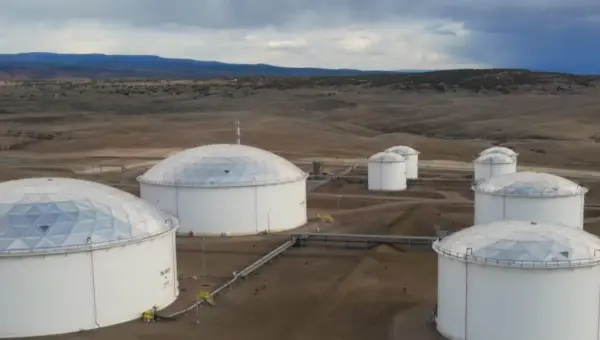
US Oil Exports Surge Amid Iran Tensions, Boosting Dollar
High oil prices, driven by global tensions, are boosting U.S. oil and gas exports, especially to Europe. This situation strengthens the U.S. dollar, despite high prices at the pump for Americans. The U.S. is increasingly becoming a key energy supplier in a volatile world.
Iran Conflict Escalates: Trump Ultimatum, Military Strikes
President Trump issued a 48-hour ultimatum to Iran following military strikes and a daring U.S. airman rescue. Meanwhile, a U.S. government shutdown continues, impacting the Department of Homeland Security and creating a funding impasse.