Iran Island Gambit: A War Trap or Winning Move?
The U.S. may be considering a ground operation on Iran's Kharg Island, a key oil export hub. While some see it as a way to force Iran's surrender, experts warn it could be a costly trap, echoing concerns from past conflicts. Diplomatic talks continue, but distrust remains high.

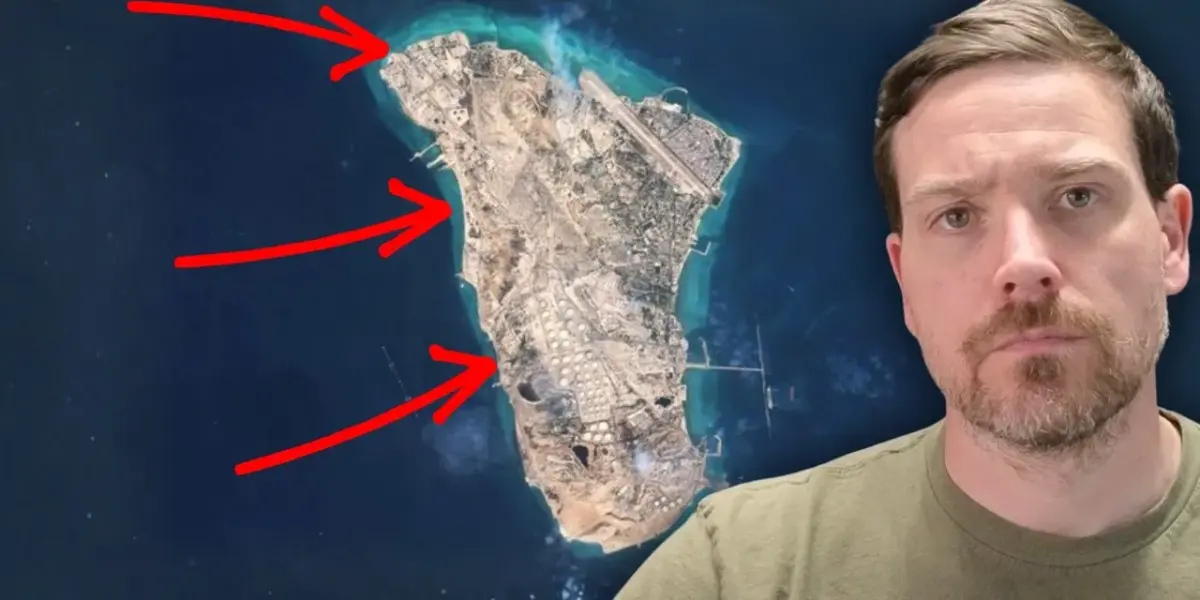
Island Operation Sparks Fierce Debate Amidst Iran Tensions
The idea of a U.S. ground operation on Iran’s Kharg Island is gaining attention, but experts are divided. Some believe it could force Iran to surrender, while others warn it might be a costly trap. This debate comes as U.S. troops, including Marines, are being sent to the region.
President Trump reportedly thinks taking an island in the Persian Gulf could be enough to make the Iranian regime give up. This idea is being pushed as thousands of U.S. troops move into the area. However, a group called the Foundations for Defense of Democracies (FDD) is urging caution. They argue that such a move could lead the U.S. into a situation it can’t easily get out of.
What is Kharg Island and Why the Focus?
Kharg Island, located in the northern part of the Persian Gulf, is a major hub for Iran’s oil exports. About 90% of the country’s oil passes through this island. Taking control of it would significantly disrupt Iran’s economy.
Some political figures and military analysts see capturing Kharg Island as a key to winning the conflict. They believe it would give the U.S. a major advantage and could lead to a quick end to hostilities. However, many experts question the actual impact of taking this island on Iran’s willingness to negotiate or surrender.
Taking Kharg Island is seen by some as a decisive move, but others worry it might not achieve the intended strategic goals and could lead to unintended consequences.
The “Trap” Argument: Risks Outweigh Rewards?
The FDD, known for its strong stance against the Iranian regime, has published an article titled “Why seizing Iran’s Kharg Island Could be a trap of America’s own making.” They argue that seizing the island might not open up the Strait of Hormuz as some believe, and that holding the island would not automatically control the vital waterway. Instead, they suggest it could actually increase Iran’s ability to harm U.S. forces.
Iran could use more of its weapons, including short-range missiles, rockets, and drones, against U.S. troops stationed on Kharg Island. This would put American personnel directly in Iran’s range, a situation the U.S. has tried to avoid by moving forces away from certain bases. The FDD believes this move would expand the conflict rather than end it quickly and could lead to mounting costs and pressure on the U.S. to withdraw, which Iran could then frame as a victory.
Concerns Echoing Past Conflicts
The current situation is drawing comparisons to the early days of the Iraq War. Some analysts worry that the U.S. might be repeating past mistakes, such as unclear objectives, insufficient planning for what happens next, and overly optimistic assumptions about how quickly a conflict can be resolved.
Reports suggest that the focus has been heavily on military power, with less attention paid to the potential consequences and follow-up actions. Experts who may have offered different opinions have reportedly been overlooked. The idea of seizing Kharg Island, which wasn’t an initial objective, is seen by some as an example of shifting aims and unclear goals.
The Wall Street Journal pointed out that the planning for the current conflict, like in Iraq, may have concentrated on military might without fully considering the aftermath. This includes questions about whether contingency plans are adequate and if assumptions about Iran’s reaction are realistic.
Diplomacy and Shifting Timelines
Amidst the military discussions, President Trump has postponed planned strikes against Iran’s energy infrastructure for another 10 days. He stated that talks with Iran are progressing well. This decision comes after previous delays, suggesting a continued effort to find a diplomatic solution, or at least to avoid immediate escalation.
However, information from both sides about these talks is often conflicting. Iran, through sources like Tasnim News, has outlined its conditions for ending the conflict. These include an end to alleged assassination attempts, guarantees against future conflict, compensation, and a comprehensive end to hostilities across the region, even involving groups like Hezbollah in Lebanon.
From Iran’s perspective, the U.S. claims about negotiations are viewed with deep suspicion. They believe the U.S. uses talks as a cover for military action, citing past instances where negotiations were followed by strikes. Iran suggests the U.S. might be using diplomacy to appear peaceful, keep oil prices stable, and buy time for a ground invasion of southern Iran.
Why This Matters
The potential ground operation on Kharg Island represents a critical decision point in the escalating tensions with Iran. The debate highlights the complex balance between military options and diplomatic efforts. If the U.S. proceeds with the island seizure, it risks a prolonged and costly conflict, mirroring concerns from past interventions. Conversely, if diplomacy fails and tensions continue to rise, a significant military escalation could occur, with unpredictable global consequences.
Implications and Future Outlook
The situation remains fluid, with the next 10 days being crucial. The deployment of thousands of U.S. troops suggests a potential ground operation is a serious consideration. The success or failure of ongoing diplomatic efforts will heavily influence whether this potential escalation is averted.
The conflicting narratives from the U.S. and Iran regarding negotiations underscore the deep distrust between the two nations. This distrust makes finding a peaceful resolution challenging. The world is watching closely to see if a diplomatic breakthrough is possible or if the region is headed towards further conflict, with the potential seizure of Kharg Island serving as a major flashpoint.
The historical context of past U.S. military interventions, particularly in the Middle East, serves as a stark reminder of the potential for unintended consequences. The question of whether the U.S. is learning from these experiences or repeating them is central to understanding the current trajectory.
Source: The Kharg Island Trap: How a War-Winning Plan Could Backfire (YouTube)

Related Articles


G7 Allies Clash Over Iran War Strategy, Urge Focus on Russia
G7 foreign ministers met in Paris, revealing deep divisions over the U.S. war with Iran. European allies urged the U.S. to pressure Russia, linking its actions to the conflict and fearing support for Ukraine will wane.

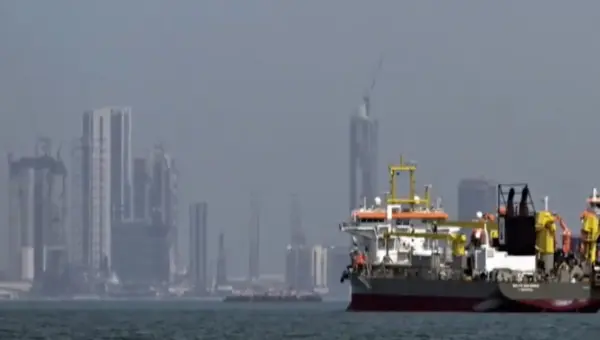
Iran Blocks China Ships, Exposing Beijing’s Weak Grip
Iran's recent decision to block Chinese ships at the Strait of Hormuz is exposing the limits of Beijing's influence in the Middle East. This action is causing delays and cancellations for Chinese manufacturers, turning a perceived geopolitical win into an economic strain.
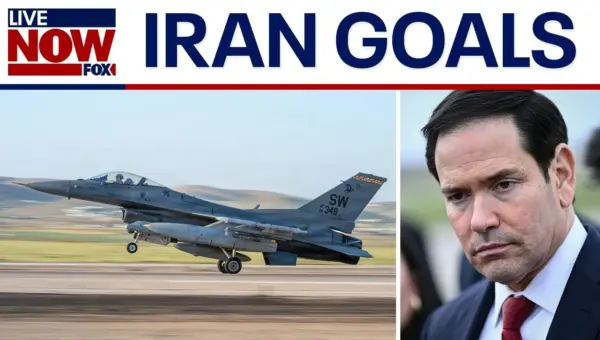
Rubio: US Can Achieve Iran War Goals Without Troops
Senator Marco Rubio outlined a strategy to counter Iran without deploying U.S. ground troops, focusing on weakening the regime and enhancing maritime security. He also criticized Cuba's economic system and expressed concerns about West Bank violence.