Iran Intelligence Chief Killed; US, Israel Strike; Ceasefire Talks Begin
Iran's intelligence chief was killed as Israel and the U.S. launched joint attacks, while mediators proposed a 45-day ceasefire and the reopening of the Strait of Hormuz. President Trump issued a deadline for the strait's opening, threatening severe infrastructure strikes if Iran fails to comply. The conflict's human toll continues to rise, with millions displaced and over 2,000 reported deaths.

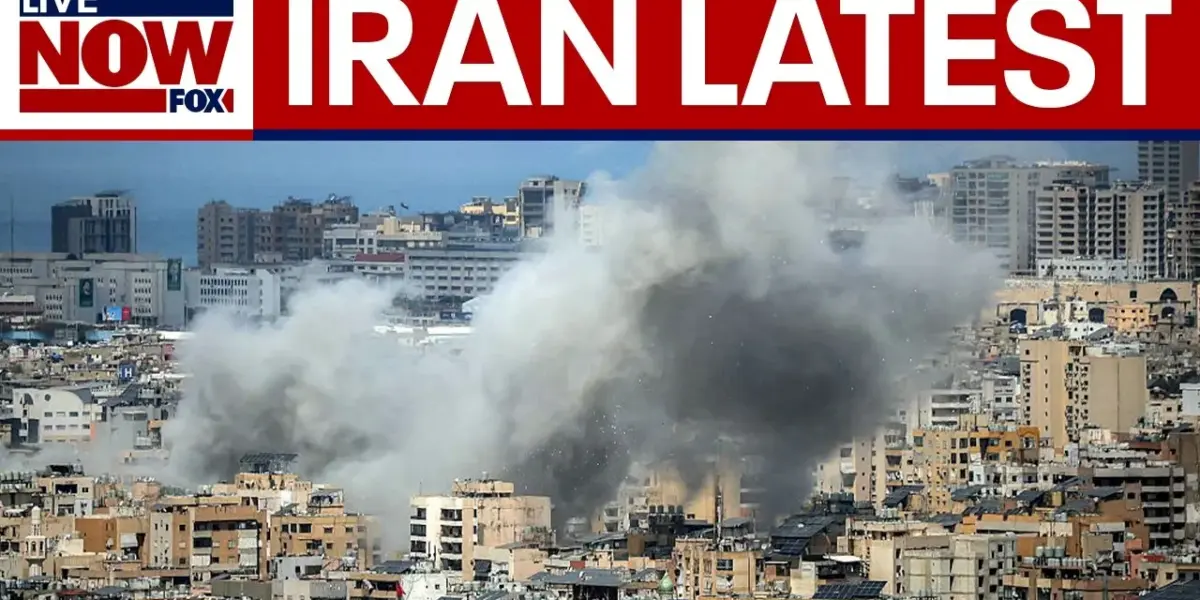
Middle East Conflict Escalates with Key Killings and Military Actions
In a rapidly developing situation on Monday, April 6th, the Middle East conflict saw significant escalation with the killing of Iran’s intelligence chief for the paramilitary Revolutionary Guard. The assassination was claimed by Israel, with the Israeli defense minister stating, “Iran’s leaders live with a sense of being targeted. We will continue to hunt them down one by one.” This event occurred amidst a wave of joint attacks by Israel and the United States on Iran, which reportedly resulted in over 25 deaths. Iran responded by firing missiles toward Israel and its Arab neighbors.
US Issues Deadline, Threatens Infrastructure
Adding to the tension, U.S. President Trump set a deadline for Iran to reopen the Strait of Hormuz, which expires Tuesday evening. The President warned that if no deal was reached, the U.S. would strike Iran’s power plants and other infrastructure, aiming to set the country back. In response to this threat, which was posted on his social media, Iran’s paramilitary speaker called the remarks “reckless.” The President’s social media post on Saturday stated, “Tuesday will be power plant day and bridge day all wrapped up in one in Iran. There will be nothing like it. Open the exploitative straight. Or you’ll be living in [terms implying severe destruction].”
Mediators Propose Ceasefire and Strait Reopening
Amidst the escalating conflict, Egyptian, Pakistani, and Turkish mediators have put forth a proposal for a 45-day ceasefire and the reopening of the Strait of Hormuz. This initiative aims to create space for finding a resolution to the ongoing war. According to two Middle Eastern officials who spoke to the Associated Press, the proposal was sent late Sunday night to both the Iranian foreign minister and the U.S. Middle Eastern envoy. Both Iran and the U.S. have yet to respond to this diplomatic effort.
Impact on Civilians and Growing Death Toll
The conflict has had a devastating impact on civilian populations. The death toll has risen to over 1,900 people in Iran and more than 200 in Lebanon, though Iran’s government has not updated its figures for days. In Gulf Arab states and the occupied West Bank, over two dozen people have died. Israel has reported 19 deaths, and 13 U.S. service members have been killed. Millions of people in Iran and Lebanon have been displaced by the fighting.
Missile Strike in Haifa and IDF Response
A missile strike from Iran hit Haifa, Israel, earlier on Monday, causing significant destruction to a building in the city center. The Israel Defense Forces (IDF) reported that four people were missing and many others injured, requiring hospitalization. The IDF released a statement on social media, emphasizing that the Iranian regime targets civilian populations. “Once again, the Iranian regime aims its missiles the civilian target to the civilian population of the state of Israel,” the IDF stated. “The Israeli public is resilient. The IDF keeps on fighting and defending the state of Israel.” Fox News correspondent Trey Yanks reported that four bodies were recovered from the impact site.
Expert Analysis on Iran’s Response and Strategy
Jonathan Say, an Iran program research analyst at the Foundation for Defense of Democracies, provided insights into the situation. He noted that Iranian leaders understand the U.S. administration’s threats are legitimate, as President Trump has followed through on previous warnings. However, he also cautioned that threatening Iranian infrastructure could create a “rally around the flag” effect. Say explained that while the Iranian regime has mismanaged the country, attacks on critical infrastructure might be viewed by some Iranians as a continuation of their current hardships. He stressed that rebuilding infrastructure is possible, but lost lives are not, highlighting the importance of messaging and focusing on the liberation of the Iranian people.
“The main impact is internal. Looking at Israeli assassination waves throughout the past five weeks, there’s been two parallel pillars, but one has been stronger than the other… one focus has been taking out the command structure… parallel to that which has been more significant is the internal security in structure. So individuals that are involved in repressing protesters, killing unarmed Iranians or somehow terrorizing the masses of the population to deter them from taking to the street.”
Jonathan Say, Iran Program Research Analyst
Strait of Hormuz Control and International Stance
Regarding control of the Strait of Hormuz, Say pointed out that only the United Arab Emirates has taken an assertive stance against Iran, while Europe, China, and Russia have remained largely silent. He noted that within Iran, the mindset is that conceding control of the Strait would lead to the regime’s end, comparing it to becoming like Gaza. Therefore, Iran is likely seeking long-term guarantees against attacks in exchange for opening the strait. However, Say views Washington and Jerusalem as aligned on prospects for regime change, making such guarantees unlikely.
Assassination of Intelligence Chief and Strategic Impact
The killing of the head of intelligence for Iran’s Revolutionary Guard is seen as a significant blow, primarily impacting Iran’s internal security structure. Say explained that this individual was responsible for surveilling dissidents and ensuring the population remained fearful of protesting. The broader Israeli strategy appears to be the elimination of top leadership, with the aim of disrupting the command structure and signaling that time is not on the side of Iranian officials. The goal may be to encourage defections or arm the populace for self-defense.
US Arms for Protesters and Kurdish Involvement
The role of Kurdish forces has also come under scrutiny. Reports suggest the U.S. sent guns to Iranian protesters through the Kurds, although some Kurdish factions have denied receiving weapons during the demonstrations. Say commented on the complexity of Kurdish involvement, noting that they did not receive sufficient assurances of military backing for a ground operation against the Islamic Republic. He also cautioned against arming separatist groups, suggesting that systemic change should come through national identities. While acknowledging that Kurdish elements have been instrumental in smuggling items like Starlink devices, he raised questions about how many weapons were ultimately distributed and where.
Executions and Internal Repression
The situation within Iran remains dire, with reports of further executions of individuals charged in connection with nationwide protests. Say emphasized that these executions serve as a stark reminder to the Iranian population that the regime remains in control. He described public executions as a medieval practice that instills fear. The trajectory of these executions is on the rise, targeting political prisoners, dissidents, and activists. Say warned that if the war ends without regime collapse, it would be a devastating blow to the Iranian people, leaving them under an even more authoritarian regime.
Looking Ahead
As the deadline for reopening the Strait of Hormuz approaches, the world watches closely for Iran’s response and the outcome of the ceasefire proposal. The ongoing military actions by the U.S. and Israel, coupled with internal repression in Iran, suggest a volatile period ahead. The potential for further escalation or a diplomatic breakthrough remains uncertain.
Source: Iran intelligence chief killed, IDF says (YouTube)

Related Articles
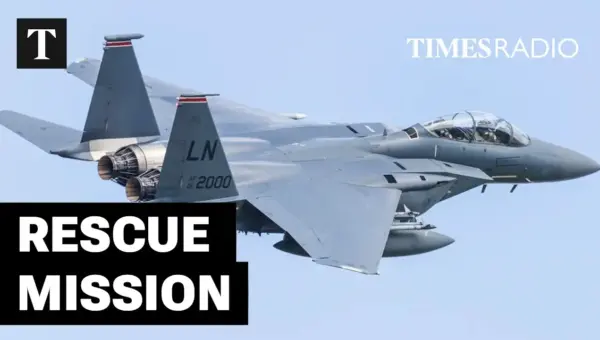
US Military Mounts Daring Rescue of Airman Behind Enemy Lines
U.S. special forces conducted a high-risk rescue mission to save an airman who ejected over hostile territory in Iran. The operation, involving hundreds of troops and dozens of aircraft, successfully retrieved the airman who had evaded capture for nearly two days, reinforcing the military's 'no man left behind' principle.

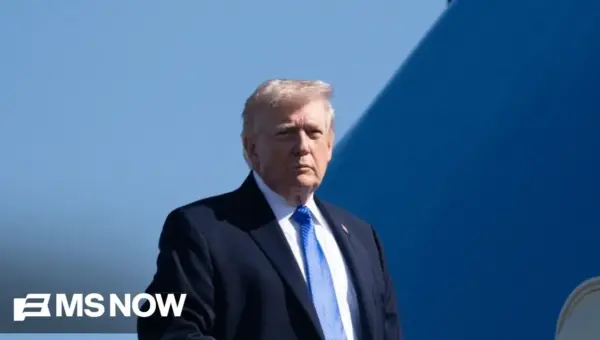
US-Iran Crisis: Diplomacy, Not War, Offers Path Forward
Experts are urging the U.S. to pursue diplomatic solutions in its dealings with Iran, warning that military action alone will not resolve the crisis. Analyst Kareem Sadjapour highlights the Iranian regime's consistent ideology and strategy, contrasting it with President Trump's shifting stance. The Strait of Hormuz remains a critical chokepoint, requiring international cooperation for its security.

Strait of Hormuz Deal Offers Iran Ceasefire, Europe Energy Relief
A new proposal brokered by Pakistan offers Iran a temporary ceasefire in exchange for reopening the Strait of Hormuz. This move aims to prevent wider conflict and avert an energy crisis in Europe. The deal also includes steps towards lifting sanctions on Iran and limiting its nuclear ambitions.