Iran Hunts Missing US Pilot Amid Escalating Conflict
A frantic search is underway for a missing U.S. pilot after an American fighter jet was reportedly shot down over Iran, marking a significant escalation in the ongoing conflict. The incident raises concerns about leverage, historical precedents, and the potential for wider war, as diplomatic channels remain strained.

Iran Hunts Missing US Pilot Amid Escalating Conflict
A critical search is underway in Iran for a missing U.S. service member, a situation that has intensified the ongoing conflict between the two nations. This marks the first time Iran has claimed to shoot down an American aircraft during the current hostilities, raising significant concerns about further escalation.
Two Jets Down, One Pilot Missing
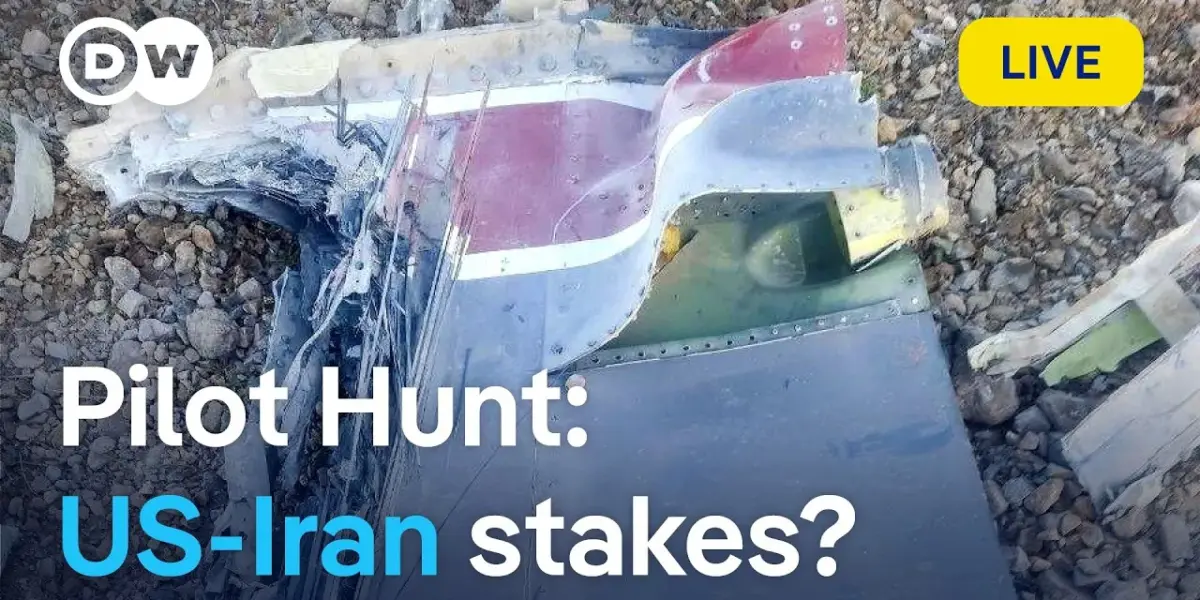
The incident involves two U.S. fighter jets. According to U.S. officials, one F-15 jet crashed in Kuwait after its pilot ejected safely. Separately, Iranian officials report shooting down a two-person crew jet over Iranian airspace. While one member of that crew was rescued by U.S. forces, the other remains missing. Iranian state media has released footage it claims shows wreckage from the downed U.S. jet.
Iran’s Leverage and Historical Precedent
Savvush Ranchbar Dami, a senior lecturer in modern Middle Eastern history at the University of St. Andrews, explained the potential significance of capturing a U.S. pilot. “This would give Iran some leverage, whether in the continuation of the conflict,” he stated. Dami pointed to historical instances where Iran has used captured individuals, such as during the 1979 U.S. embassy crisis and the cases of detained hikers and dual nationals. “Clearly, this would be a whole new dimension if the Iranians managed to find this pilot alive and take him into custody,” he added.
A Strategy of Reaction and Resistance
Ranchbar Dami suggested that Iran’s actions are part of a broader strategy to react to continuous bombardment, which has targeted civilian infrastructure, including petrochemical facilities. He noted that Iran is utilizing its existing military stocks, which are reportedly still substantial. This approach, he believes, was likely devised in advance and is resistant to constant updates, making it a stable, though reactive, strategy.
Potential Outcomes and Diplomatic Challenges
If the pilot is found alive, Iran would likely seek negotiations for concessions, such as an end to strikes or reparations. The situation becomes more complex if the pilot is found deceased. “The fact remains that this is a very fluid situation and things could go either way,” Ranchbar Dami cautioned. He also highlighted the U.S. search and rescue missions operating at low altitudes deep within Iranian territory, indicating a complex and ongoing dynamic.
Iranian Claims and Defense Capabilities
Lieutenant Colonel Ibrahim Sulfagari, a spokesperson for the Iranian army, claimed that an American fighter jet was shot down by a newly developed aerospace defense system. He refuted U.S. claims about the destruction of Iran’s air defense capabilities. Ranchbar Dami noted that while such incidents are not entirely unprecedented in the region’s history, the recent event contrasts with the relatively unimpeded U.S. search and rescue operations seen in other areas. He suggested that Iranian air defenses might be stronger in some regions than others, as civilian infrastructure continues to be targeted elsewhere.
Concerns of Wider Conflict and Diplomatic Stalemate
Viewers have expressed concern about a potential World War III scenario. Ranchbar Dami acknowledged the unpredictable nature of the conflict, noting that it is approaching a timeframe previously suggested by President Trump for its duration. The targeting of installations in Persian Gulf states and the ongoing dynamic in the Strait of Hormuz remain open-ended. He also pointed to the fragility of diplomatic breakthroughs, with traditional mediators like Oman and Qatar seemingly unable to significantly influence the situation.
The Psychological Impact of Hostage Crises
The discussion touched upon the historical impact of the Iran hostage crisis of the late 1970s and early 1980s, a 444-day ordeal that significantly affected U.S. foreign policy and President Carter’s re-election. Ranchbar Dami explained that for the current Iranian leadership, using captured individuals, particularly those with American citizenship, has been an instrument to achieve political and economic objectives. He emphasized that holding a pilot would introduce a military dimension, potentially influencing demands related to ongoing attacks.
Treatment of Captured Personnel
Regarding the treatment of the missing pilot, Ranchbar Dami stated, “I don’t think that the intention is to, for example, harm them, torture them or kill them.” He explained that Iran’s past actions suggest a utility-driven approach, prioritizing keeping individuals alive for diplomatic leverage. “Rarely, if ever, have these kinds of hostages been harmed to the point of being severely injured or even dying or being killed,” he noted, stressing that the wartime situation narrows the options for all parties involved.
Internal Regime Dynamics and Public Coping
Ranchbar Dami described the Iranian regime as being in a “survivalist mode” since February 28th, focused on navigating the immediate conflict. He anticipates that political divisions and popular discontent, exacerbated by economic problems and previous protests, will emerge more clearly once the conflict subsides. He also noted that Iran lacks established protocols for air raids, unlike countries like Israel, forcing its population to adapt to ongoing attacks on civilian areas. Despite the uncertainty and trauma, many Iranians are attempting to maintain normal life.
International Response and Divisions
The potential impact on Donald Trump’s decisions was discussed, with Ranchbar Dami stating that the pilot’s fate could significantly influence his next moves. He expressed doubt about NATO’s appetite for direct intervention in this conflict, highlighting existing divisions among member states regarding engagement. He pointed to statements from leaders like Keir Starmer and Emmanuel Macron, and the stance of the German Chancellor, as indicative of a reluctance to join the conflict or force open the Strait of Hormuz.
Targeting of Peace Envoys
The recent targeting of Kamal Kharrazi, a former Iranian foreign minister and senior foreign policy adviser, was also addressed. Ranchbar Dami expressed surprise at the strike in a residential area, noting that Kharrazi, an experienced diplomat, was reportedly injured. He suggested that Kharrazi’s role was likely as a mediator or messenger rather than a decision-maker, with key decisions resting with IRGC officials.
Ongoing Blockade and Uncertain Future
The Strait of Hormuz remains effectively closed to shipping, a situation that has global economic implications. The ongoing conflict, the search for the missing pilot, and the broader geopolitical tensions continue to create an uncertain future for the region and the international community.
Source: What's at stake as Iran and the US hunt for a missing pilot? | DW News (YouTube)

Related Articles


Trump Threatens Iran, Shaking Global Stability
Former President Trump's aggressive Easter Sunday warning to Iran has ignited global concerns, highlighting a volatile intersection of politics, religion, and foreign policy. The analysis explores the motivations behind such rhetoric, the deep divisions within American society, and the potential for severe economic and geopolitical repercussions worldwide.
Trump’s Rhetoric Fuels Iran Tensions, Raises War Crime Alarms
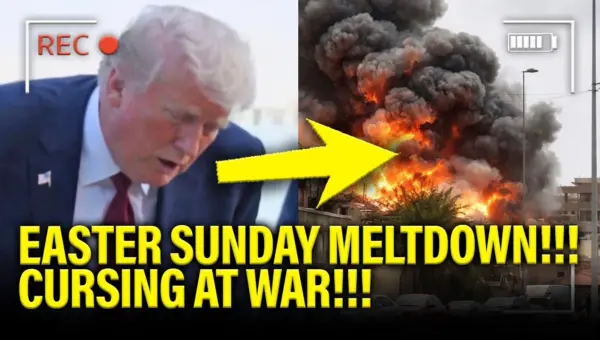
Former President Donald Trump's aggressive Easter weekend social media posts directed at Iran have sparked international concern. His threats of military action and ultimatums, coupled with conflicting narratives about military engagements, have raised alarms about potential war crimes and a dangerous escalation of conflict. Critics accuse both Trump and segments of the media of downplaying the severity of his rhetoric.


Trump Threatens Iran: “Open Strait or Live in Hell”
President Trump issued a severe warning to Iran, threatening "hell" if the Strait of Hormuz is not reopened, while U.S. forces successfully rescued a downed airman. Experts suggest potential escalation and regional realignments are unfolding.