Iran Holds Trump’s Leash: Oil Prices Force His Hand
Iran holds significant power over President Trump through its influence on global oil prices. By controlling the Strait of Hormuz, Iran can force Trump into difficult choices between a costly military operation and crucial negotiations.


Iran Controls Trump’s Options Through Oil Prices
The current situation between Iran and the United States puts President Trump in a very difficult spot. It seems Iran actually holds more power than many realize, especially when it comes to global oil prices. This power forces Trump into tough choices, with few good outcomes.
The Strait of Hormuz: A Critical Chokepoint
A key issue is the Strait of Hormuz, a narrow waterway where a lot of the world’s oil passes through. If Iran decides to block or disrupt this strait, oil prices could skyrocket. Imagine a busy highway suddenly shut down; traffic would pile up, and prices for everything would go way up. That’s what could happen with oil.
Trump’s Limited Options
The transcript suggests Trump has two main, unappealing options. He could try to militarily force the strait open. However, this is described as a huge military challenge. Not only would it be hard to force it open, but keeping it open would be even harder. Think of trying to hold back a flood with just your hands; it’s a massive, ongoing struggle.
His other option is to negotiate with Iran. This is where the pressure really mounts. If oil prices stay high, like around $150 a barrel, it could seriously hurt the global economy. This is a big worry for powerful people, including those in finance like Larry Fink of BlackRock, who are telling Trump he needs to fix the oil price problem.
Why Iran Holds the Cards
The analysis presented argues that Iran is not in a position where it *needs* to negotiate. In fact, it’s the opposite: Trump needs to negotiate. Iran has little to lose by holding its ground. By maintaining control over the Strait of Hormuz, they can keep oil prices high and put immense pressure on Trump.
Iran’s position is described as one of strength. They are likely to play hardball in any negotiations. They will want strong guarantees that the US and Israel won’t attack them again. They might even demand compensation for past actions. They won’t give up their ability to control the strait easily, because as long as they hold it, Trump faces significant losses.
Why This Matters
This situation highlights how critical energy resources are to global stability and political power. The Strait of Hormuz is a vital artery for the world’s oil supply. Any disruption there has immediate and far-reaching economic consequences. It shows that even without direct military conflict, a nation can exert significant influence through control of key global resources.
Historical Context
Tensions between the US and Iran have been ongoing for decades, marked by periods of direct confrontation and complex diplomatic maneuvering. The Strait of Hormuz has historically been a point of contention, with both sides asserting their interests and capabilities in the region. This current standoff is part of a longer history of strategic competition and the use of economic leverage.
Implications and Future Outlook
The implications of this dynamic are significant. If Iran can successfully use oil prices as leverage, it could embolden other nations to use similar tactics. It also puts leaders like President Trump in a bind, forcing them to weigh military action against economic stability. The future outlook suggests a continued period of high-stakes negotiation, where control over energy chokepoints will remain a crucial factor in international relations.
Ultimately, the situation described suggests a complex geopolitical chess match. Iran’s ability to influence global oil prices gives it a powerful hand. Trump, facing economic consequences and military challenges, must find a way to de-escalate without appearing weak. The outcome will depend on who blinks first, and whether diplomacy can overcome the immense pressure of the global economy.
Source: Who actually holds the power right now — Trump or Iran? (YouTube)

Related Articles

Stocks Ignore War Risks, Focus on “Taco Moments”
Stock markets appear to be overlooking the severe supply chain risks stemming from the Iran conflict, focusing instead on potential diplomatic de-escalations. While the S&P 500 shows resilience, bond and commodity markets signal deep concern over disruptions to critical resources like LNG, helium, and fertilizers.

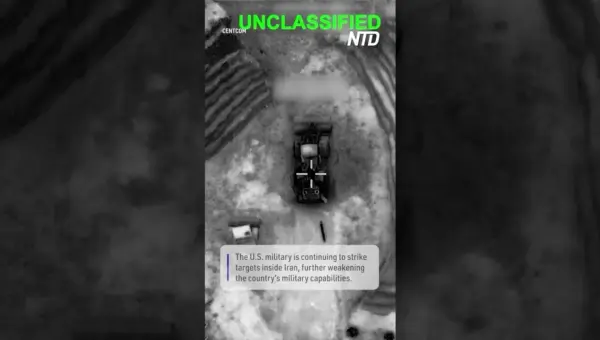
US Strikes Cripple Iran’s Military Might, CENTCOM Reports
U.S. Central Command reports ongoing strikes inside Iran are significantly weakening its military power. This direct action aims to reshape regional security dynamics, but carries risks of escalation. The long-term impact depends on Iran's response and ability to adapt.
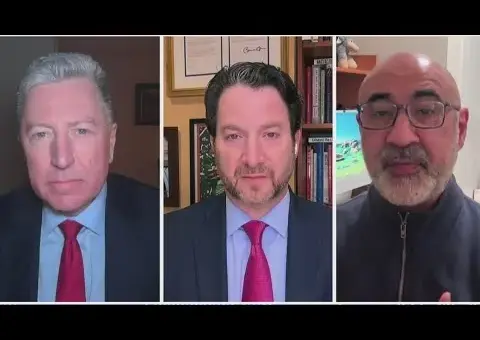
U.S. Iran Tensions Rise Amid Shifting Alliances
Rising tensions between the U.S. and Iran are creating a volatile geopolitical situation. With conflicting signals on de-escalation and potential shifts in alliances like NATO and U.S.-Israel relations, the path forward remains uncertain. The global economy and regional stability hang in the balance.