Iran Hijacks Trump’s Tactics, Mocks Him Online
Iran has launched a coordinated social media campaign, using its embassies worldwide to mock Donald Trump. The posts employ AI and meme tactics, directly challenging Trump's rhetoric on issues like the Strait of Hormuz and negotiations, highlighting Iran's defiance and strategic counter-messaging.

Iran’s Digital Counter-Offensive
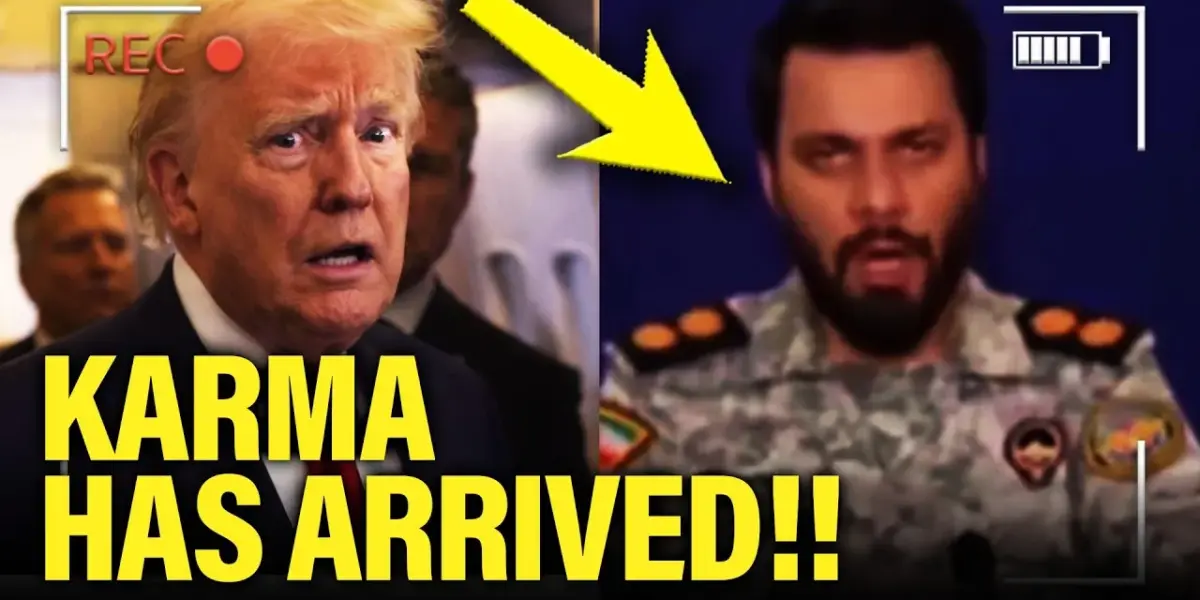
In a surprising turn, Iran has launched a sophisticated social media campaign to mock and humiliate Donald Trump. This isn’t just random online chatter; it’s a coordinated effort using tactics similar to those Trump himself has employed. Iranian embassies across the globe are posting content that ridicules Trump’s policies and rhetoric, effectively turning his own playbook against him.
Embassies as Meme Factories
From Cuba to South Africa, and from Lebanon to Uzbekistan, Iranian embassy accounts are actively engaging in online warfare. They are creating AI-generated videos, memes, and posts that highlight perceived failures and inconsistencies in Trump’s approach to international relations, particularly concerning Iran. These posts often feature sarcastic commentary on issues like the Strait of Hormuz, military actions, and negotiation attempts.
For example, the Iranian embassy in Cuba posted a graphic showing various countries confirming passage through the Strait of Hormuz, with a frowning Trump figure, implying his efforts to control it have failed. Another post from Lebanon featured an image of an Iranian soldier on Trump’s shoulder with the caption, “We aren’t reopening [expletive] bro,” directly challenging Trump’s pronouncements.
Mocking Negotiations and Military Stumbles
A significant focus of Iran’s social media campaign is to debunk Trump’s claims of successful negotiations and to highlight American military setbacks. Posts often depict Trump appearing to negotiate with himself or with empty chairs, symbolizing Iran’s refusal to engage. They also frequently reference instances where American military equipment was damaged or destroyed, framing these as significant victories for Iran and defeats for the U.S.
One particularly sharp piece of content, shared by the Iranian embassy in Lebanon, was an AI video depicting Trump’s threats of war and his claims of bringing Iran back to the “Stone Age.” The video juxtaposed images of civilian suffering and damaged infrastructure with Trump’s social media posts, portraying his actions as war crimes. It concluded with a defiant message of Iranian resilience and a promise of retaliation.
Historical Context and Iran’s Stance
Iran’s current strategy can be seen as a response to years of escalating tensions and sanctions. Historically, Iran has viewed direct confrontation and negotiation attempts by figures like Jared Kushner and Steve Bannon as insincere, especially following past incidents where perceived deals were followed by military actions. This distrust fuels their current approach.
From Iran’s perspective, negotiating a ceasefire or deal under current circumstances would be disadvantageous. They argue that the U.S. and its allies are running low on munitions, making any pause in hostilities beneficial for them to rearm. Iran’s non-negotiable demands include reparations for the war, control over the Strait of Hormuz, permanent removal of sanctions, security guarantees for allied groups like Hezbollah, and the retention of their ballistic missile program.
The Power of Perceived Weakness
While Trump has asserted that Iran’s capabilities have been destroyed, Iran’s social media presence suggests otherwise. The consistent, coordinated, and often humorous output from their embassies indicates a strong internal morale and a functioning state apparatus, even under pressure. This digital presence serves to counter narratives of Iranian weakness and to project an image of resilience and defiance.
The campaign also highlights a cultural and strategic disconnect. Iran’s embassy in Japan, for instance, responded to a belligerent Trump post by noting the “low level of civility and intelligence” and the “shameful fervor with which intentions to commit war crimes are repeated.” This contrast in tone and approach underscores Iran’s strategy to portray itself as a rational actor against what they frame as erratic American aggression.
Why This Matters
This digital counter-narrative from Iran is significant for several reasons. Firstly, it demonstrates Iran’s ability to adapt and utilize modern communication tools to wage psychological warfare, effectively neutralizing some of the traditional advantages held by more powerful nations. Secondly, it reveals a deep-seated Iranian resolve and a clear set of demands that are unlikely to be met through aggressive posturing alone. The campaign suggests that Iran is not seeking a quick ceasefire or a deal based on Trump’s terms, but rather a fundamental shift in international policy towards them.
The sophisticated use of AI and meme culture by state-sponsored accounts also points to a broader trend in international relations, where digital influence operations are becoming as critical as traditional diplomacy or military might. For policymakers and analysts, understanding this online discourse is crucial for accurately assessing Iran’s strategic thinking, its domestic morale, and its willingness to engage in meaningful negotiations. Ignoring these digital signals could lead to miscalculations and further escalation.
Future Outlook
Iran’s current strategy of digital mockery and defiance indicates a low likelihood of Iran conceding to demands that do not meet its core interests. The ongoing social media campaign suggests that Iran intends to continue challenging perceived American dominance and to frame any conflict on its own terms. This approach aims to bolster its own position, rally domestic and international support, and potentially wear down its adversaries. The effectiveness of this strategy will depend on how long Iran can sustain this digital offensive and how international audiences, including the American public, perceive these counter-narratives.
Source: Trump STUNNED as IRAN TURNS TABLES on him IN WAR!! (YouTube)

Related Articles


Iran Rejects Trump Ceasefire, Fuels Inflation Fears
Iran has rejected a U.S. proposal for a temporary ceasefire, seeking a permanent end to the conflict. This decision heightens geopolitical tensions and fuels concerns about rising oil prices and inflation. The ongoing instability poses risks to global markets.

Iran Defies Trump’s Red Line, Exposing Risky Diplomacy
Iran has rejected a U.S. ceasefire proposal, highlighting its effective use of asymmetric warfare and control over the Strait of Hormuz. This defiance exposes a complex diplomatic situation, with shifting U.S. deadlines and concerns over escalating rhetoric, impacting global stability and energy markets.
Trump’s Iran Threat Sparks War Crime Accusations
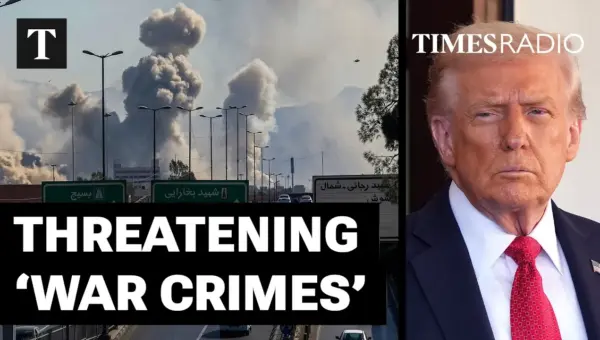
President Trump's recent social media post threatening to target Iran's energy infrastructure has drawn sharp criticism, with analysts labeling the threat a potential war crime. The communication style and lack of a clear strategy have raised serious concerns among commentators and international observers.