Iran, Hezbollah Launch Ballistic Missile Barrage on Israel
Hezbollah and Iran have launched a barrage of ballistic missiles at northern Israel, triggering air raid sirens across the country. The attacks have resulted in civilian casualties and come amidst ongoing clashes in southern Lebanon. Israel's defense systems are actively intercepting the projectiles, but concerns remain over close calls with critical infrastructure.

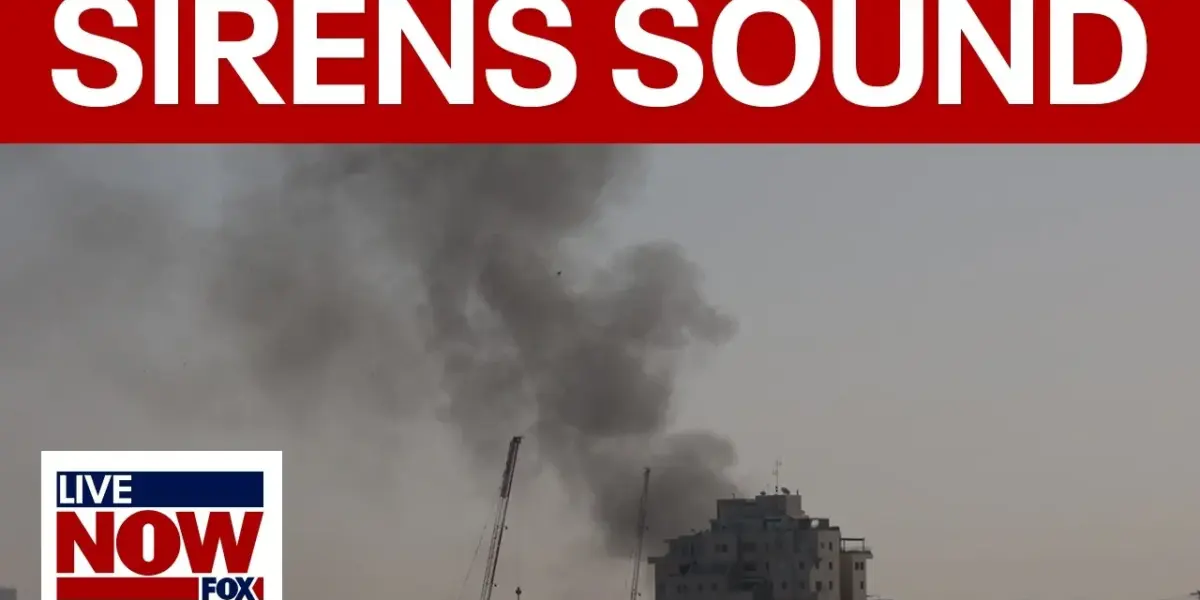
Missile Attacks Target Northern Israel, Sirens Sound Across Country
Sirens wailed across northern Israel once again as the Iran-backed Hezbollah terrorist organization launched a barrage of ballistic missiles toward the country. The attacks, part of ongoing operations referred to as “Epic Fury” and “Roaring Lion,” come amid heightened tensions and continued exchanges of fire. Alerts have sounded across large parts of Israel today as Iran targets the nation with missile strikes.
Police and medics in Israel confirmed that several sites were impacted by missile debris or interceptors. The Israel Defense Forces (IDF) spokesperson confirmed that one person was killed in a rocket attack on northern Israel. The victim has been identified as 27-year-old Nuriel, a woman who lost her life in the crossfire.
Hezbollah’s Tactics: Targeting Civilians Amidst Conflict
The ongoing conflict highlights a concerning pattern of targeting civilian areas. Analyst Alex Treman noted that, similar to the initial attacks by Hamas on October 7th, which targeted civilian communities like kibbutzim, Iran and Hezbollah continue to fire rockets and missiles at populated areas. “This has been from the beginning, you know, the war crime to really just attack Israeli civilians as opposed to Israel which is hitting strategic military targets,” Treman stated.
Treman explained that Iran is using cluster bombs over vastly populated civilian areas. This deliberate targeting of civilians is contrasted with Israel’s efforts to warn its own population and strike military targets.
Close Calls with Critical Infrastructure
Recent attacks have come dangerously close to critical infrastructure. A missile strike reportedly occurred near a major power station in Hadera. Treman emphasized the potentially catastrophic consequences if such facilities were hit directly.
“Every single one of Iran’s ballistic missile strikes could have been absolutely catastrophic,” Treman said. He credited Israel’s sophisticated missile defense system for preventing the majority of strikes from reaching their targets. While many strikes have landed near potential military or infrastructure targets, causing significant damage, Israel has so far been fortunate that the destruction has not been dramatically worse.
Understanding Israel’s Warning System
The constant sounding of sirens across Israel is a stark reminder of the ongoing threat. Treman described how the country’s sophisticated warning system works. When sirens blare, residents with safe rooms in their homes can seek immediate shelter. For those without, community shelters or nearby buildings offer refuge.
Individuals receive emergency alerts on their phones, warning of incoming missile launches. These alerts are precise, dividing the country into 16 provinces. This system allows for targeted warnings, giving people minutes to find cover before a missile potentially strikes or is intercepted, which can lead to falling shrapnel.
IDF Action Against Hezbollah in Southern Lebanon
The IDF has also released video footage showing the elimination of a Hezbollah cell responsible for firing rockets toward Israeli troops in southern Lebanon. This action is part of Israel’s broader effort to combat Hezbollah’s capabilities in the region.
Treman explained that for Israel, this has become a seven-front conflict, with southern Lebanon being a primary front. Israel has been working for years to push Hezbollah away from its northern border, conducting operations house-to-house to find and dismantle missile sites, tunnels, and weapons caches. Israel is working to establish a buffer zone up to the Litani River, approximately 10 miles north of the border, through air strikes and ground operations.
Diplomatic Efforts and Future Concerns
Discussions around potential ceasefire plans, including a reported 15-point proposal submitted to Iran, are ongoing. Treman noted that coordination between the U.S. and Israel is crucial in these diplomatic efforts. He referenced past negotiations, such as a 20-point plan presented by Donald Trump that led to a reduction in violence in Gaza, emphasizing the return of hostages as a key component.
However, Treman raised questions about the effectiveness of current negotiations, particularly regarding who is negotiating with Iran and whether that party has the power to guarantee a halt to attacks and secure passage through vital shipping lanes like the Strait of Hormuz. He suggested that if diplomatic efforts fail, there could be further escalation, potentially involving attacks on Iran’s oil infrastructure and control of key waterways.
Operation Epic Fury and Roaring Lion: A Unified Effort
Regarding the different names for operations, Treman stated that from Iran’s perspective, these are essentially the same conflict. He described the actions as a coordinated effort between the world’s two most powerful air forces – Israel’s and the U.S.’s – working together. The differences in naming likely reflect specific operational designations or national perspectives on the unified campaign against Iranian-backed threats.
Source: Iran-Hezbollah launch ballistic missile attack on Israel (YouTube)

Related Articles

US Strikes Cripple Iran’s Military Might, CENTCOM Reports
U.S. Central Command reports ongoing strikes inside Iran are significantly weakening its military power. This direct action aims to reshape regional security dynamics, but carries risks of escalation. The long-term impact depends on Iran's response and ability to adapt.


Iran Targets US With Cyberattacks, Escalating Digital Warfare
Iran is increasingly using cyberattacks to challenge the U.S., as seen in a recent hack of the FBI director's account. Experts say this is a strategic shift due to Iran's limitations in conventional warfare. The U.S. needs to strengthen its digital defenses, focusing on encryption and cloud computing, rather than solely relying on traditional security measures.


Iran Hacks FBI Chief, Exposing U.S. Cyber Vulnerabilities
A recent hack of FBI Director Kash Patel's personal email by an Iran-linked group highlights Iran's growing cyber threat to the U.S. Experts explain how simple security oversights are exploited, emphasizing the need for basic defenses like two-factor authentication to protect against propaganda and potential infrastructure attacks.