Iran Halts Hormuz Strait Traffic, Peace Hopes Fade
Iran has reignited tensions by refusing to reopen the Strait of Hormuz, demanding Israel end attacks on Lebanon. This move has sent oil prices soaring and disrupted global supply chains. Experts warn of significant economic consequences and a potential shift in trade flows.

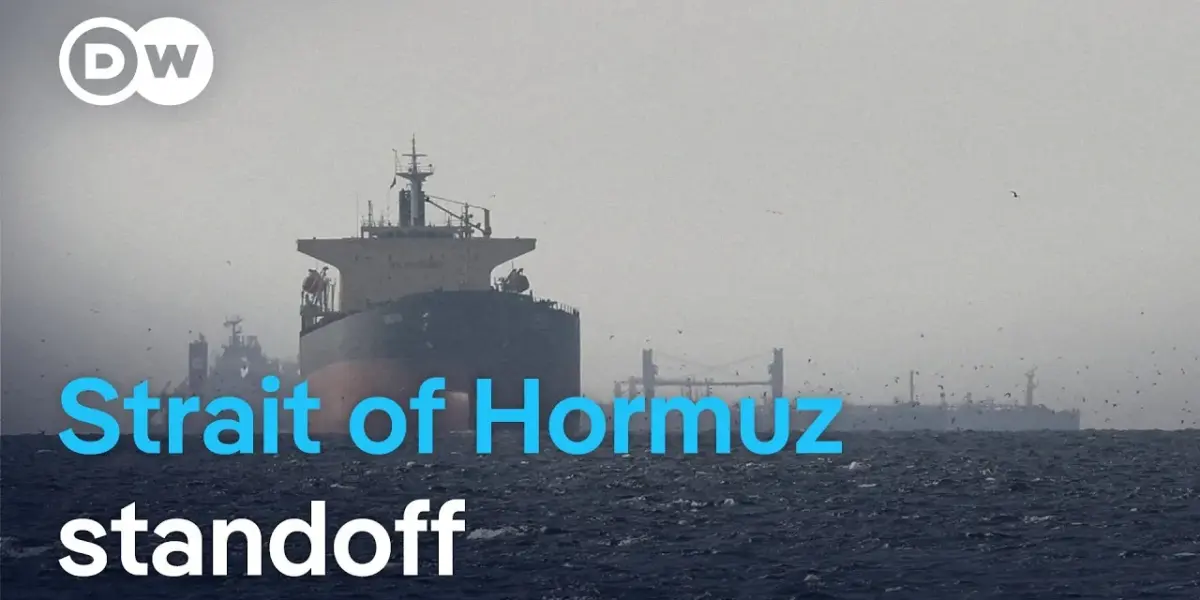
Strait of Hormuz Blockade Resumes, Oil Prices Surge
Doubts have resurfaced over a fragile ceasefire, sending oil prices sharply higher. Iran has refused to reopen the vital Strait of Hormuz, stating it will not lift the blockade until Israel ends its attacks on Lebanon. Only a few ships managed to pass through the strait before Iran announced it would be closed again. These blockades have been a central issue since Iran and the United States agreed to a two-week ceasefire. The deal was intended to reopen the Strait of Hormuz while the warring parties negotiated a lasting peace.
Lebanon Attack Derails Peace Process
Hope for a breakthrough flickered the following day when maritime tracking data showed some vessels moving through the strait. However, a significant Israeli attack on Iranian-backed Hezbollah militia in Lebanon has set back the peace process. Iranian state media reported that traffic was halted once more. Several oil tankers that had begun heading through the strait reversed course. This occurred just before crucial talks with the U.S. were scheduled for Friday in Pakistan.
Iran Demands Fees for Strait Passage
Iran’s parliament speaker accused the U.S. of violating the ceasefire proposal. Major disagreements persist, with Iran demanding continued control over the Strait of Hormuz. Furthermore, Iran wants to charge ships a fee for passing through the vital waterway. This prospect has faced widespread opposition. “We are here to actually pronounce what the law actually says,” stated one observer. “International law provides for the freedom of navigation, which means no payment whatsoever.”
Economic Fallout: Supply Chains Under Strain
This issue remains a critical point in implementing the agreement. If Iran succeeds in imposing extra duties, it could lead to unpredictable economic consequences and shifts in global trade flows. Ben Frell, CEO of the Chartered Institute of Procurement and Supply, highlighted the severe impact on global supply chains. “Clearly, we’re aware of the oil and gas price inflation that has resulted,” Frell noted. He also pointed to less obvious impacts on food supply, particularly fertilizer.
Fertilizer and Food Security at Risk
Dry bulk food shipments through the Strait of Hormuz fell by 83% in March. Fertilizer shipments dropped by 92%. This directly affects nations reliant on these imports. For example, Malawi receives 60% of its fertilizer through the strait. “About 50% of the global food produced requires fertilizer, and about 30% of that’s coming out of the Strait of Hormuz,” Frell explained. The disruption also impacts the chemical supply chain, affecting plastics and irrigation pipes needed for agriculture.
Microchips and Global Trade Vulnerabilities
The crisis also risks the supply of helium, essential for developing transistors in microchips used in 5G communication. Frell emphasized the broad impact, stating, “It’s difficult to understate the impact of what’s going on.” Companies are replanning supply routes and seeking alternative ports. This constant readjustment highlights a vulnerability in global supply chains, a consequence of decades of globalization. Frell described this as an “era of choke points,” citing the Strait of Hormuz, Panama Canal, Suez Canal, and Strait of Malacca as examples.
No Clear Economic Beneficiaries
When asked if any regions had genuinely benefited economically, Frell admitted, “Honestly, no one comes to mind.” While discussions exist about potential benefits for Russia from market adjustments, Frell stressed that no one is truly benefiting. However, he suggested that the crisis might encourage diversification of sourcing plans and a focus on national resilience.
Advice for Businesses Amid Uncertainty
Frell advised businesses to think of supply chains more as “supply webs” with multiple choices. This approach allows for different courses of action if one route becomes unavailable. He noted a growing premium on resilience in supply chains. Active WhatsApp groups in the Middle East show real-time collaboration, with individuals seeking advice on port options and alternative supply routes. “What is going on is a collaborative network of people responding and replanning in real time,” Frell said.
Long-Term Planning and Resilience
Longer-term, the crisis raises questions about the origins of critical national supplies. Frell stressed the need for alternative sourcing and long-term planning. “This is a moment where we ought to recognize the need for resilience in supply chains and thinking rather differently about that,” he urged. The focus must be on continuous replanning, seeking intelligence, and reshaping how people think about their supply networks.
Broader Economic Impacts and Policy Challenges
Bata Yavoic, Chief Economist at the European Bank for Reconstruction and Development (EBRD), discussed the war’s impact on the regions her bank serves. The most affected countries are in the Eastern Mediterranean, seeing higher borrowing costs. For countries like Egypt, servicing foreign debt consumes 90% of government revenue. Jordan’s economy, heavily reliant on tourism, faces reduced activity due to lower tourism flows.
Development Bank Adapts to New Realities
The EBRD anticipates increased demand for investments in renewable energy, aiming to enhance energy security and resilience. Trade disruptions are also prompting firms to seek new trading partners and require trade finance instruments. Yavoic also expects a rise in demand for energy efficiency solutions among businesses, including small and medium-sized enterprises.
Globalization’s Changing Face
Yavoic noted that changes in U.S. trade policy have impacted the regions where the EBRD operates. However, the most significant channel has been the effect on the German economy, which in turn influences export demand from Eastern Europe and North Africa. She believes the full impact of new U.S. tariffs has yet to be felt. While globalization is not dead, its form is changing, influenced by events like Brexit, the U.S.-China trade war, and supply chain disruptions during the pandemic. Diversification of supply chains, including energy, is becoming increasingly crucial.
Demographics and Urgent Policy Needs
The EBRD’s latest report highlights how demographic trends are eroding living standards as workforces shrink faster than the overall population. This is a concern for both developed economies and Eastern European countries that are aging rapidly. Yavoic stressed that the current turbulence forces policymakers to focus on urgent crises, often neglecting critical structural issues like demographics. “Demographics get pushed down the list because you need to focus on what is urgent,” she explained.
Competitiveness and the Risk of Stagflation
With the risk of stagflation looming, countries must prioritize making their economies more competitive. This involves removing constraints, improving governance, and enhancing the business climate. Yavoic also pointed out that as societies age, the preferences of older voters, who may be more resistant to pension reforms, become more influential. The ongoing conflict in Iran and its impact on oil markets and inflation underscore the immediate need to address these economic challenges.
Source: Iran refuses to lift Strait of Hormuz blockade, testing fragile ceasefire | DW News (YouTube)

Related Articles


Melania Trump Breaks Silence on Epstein Ties, Iran War Dominates
Melania Trump broke her silence on Jeffrey Epstein allegations, denying any close relationship and stating the lies must end. Meanwhile, a reported ceasefire in the Iran conflict faces challenges amid disputes over terms and ongoing hostilities, raising concerns about diplomatic clarity and global economic stability.


Iran Ceasefire: US Pushes for Deal Amidst Tensions
A fragile ceasefire between the U.S. and Iran is under severe strain, with ongoing missile firings and continued Iranian control over the Strait of Hormuz. Despite tensions, the White House remains optimistic as Vice President JD Vance leads a high-level delegation to Pakistan for peace talks. Key issues include Iran's nuclear enrichment program and the reopening of vital shipping lanes.

GOP Rep Slams Schumer on Iran War Vote Stance
A Republican congressman disputes Senate Minority Leader Chuck Schumer's claims about an upcoming vote on Iran military action. Meanwhile, a 56-day shutdown of the Department of Homeland Security continues amid debates over funding and immigration policy.