Iran Halts Attacks as US, Israel Seek Iran Deal
Iran has halted aerial attacks following a U.S. decision to suspend its own strikes for two weeks, brokered by Pakistan. While Israel supports the move, the ceasefire excludes Lebanon. The U.S. aims for a long-term peace deal and to keep the Strait of Hormuz open.

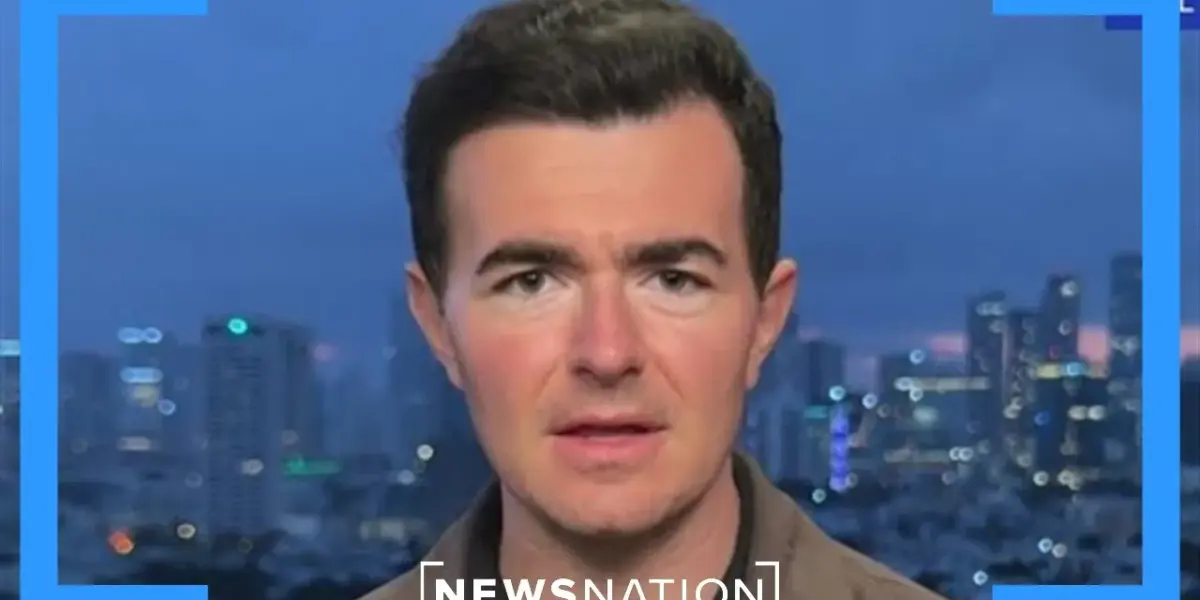
Middle East Tensions Ease Slightly as Iran Halts Attacks, US Seeks Deal
The Middle East is experiencing a moment of quiet after a period of intense aerial attacks. Iran has reportedly ordered its military to stop firing, following a surprise decision by the U.S. to suspend strikes against Iran for two weeks. This move comes as a result of a ceasefire deal brokered by Pakistan. The situation is complex, with different statements coming from various countries, leading to confusion about the exact terms and implications.
Israel Backs US Ceasefire Decision, But Lebanon Unaffected
Israel’s Prime Minister Benjamin Netanyahu has publicly supported President Trump’s decision to pause strikes against Iran. He stated that Israel also backs U.S. efforts to ensure Iran no longer poses a threat through nuclear missiles or terrorism to America, Israel, or Iran’s Arab neighbors. However, a crucial detail emerged: this two-week ceasefire does not include Lebanon. This leaves a significant gap in the announced peace efforts, as reports indicate continued attacks in the region before the ceasefire was publicly acknowledged.
U.S. President Cites Military Successes and Path to Peace
President Trump announced the suspension of strikes, explaining that the U.S. had already met and exceeded its military objectives. He also pointed to progress in reaching a long-term peace agreement with Iran. The President believes Iran’s 10-point proposal offers a workable basis for negotiations. He suggested that most points of contention have been agreed upon, and both sides have two weeks to finalize a deal. The U.S. is reportedly looking at potential in-person talks with Iran, possibly involving figures like Steve Witkoff and Jared Kushner.
Strait of Hormuz Remains a Key Concern
A major goal of the U.S. in these negotiations was to ensure Iran keeps the Strait of Hormuz open. This vital waterway is crucial for global oil transport. The two-week ceasefire deal, brokered by Pakistan, aims to address this issue. The question remains whether Iran will uphold its end of the agreement and keep the strait open.
Mixed Reactions on Capitol Hill
The President’s decision has drawn varied reactions from Congress. Some Republicans, like Senator Lindsey Graham, are calling for a congressional review process, similar to the one used for the Iran nuclear deal under the Obama administration. Others, like Senator Lisa Murkowski, had previously warned against aggressive U.S. action. Democrats, including Senator Chuck Schumer, expressed relief that President Trump backed down from potential escalation and is seeking an exit from a difficult situation.
Historical Context: A Pattern of Escalation and De-escalation
This recent series of events follows a familiar pattern in U.S.-Iran relations. Periods of heightened tension and military posturing have often been followed by diplomatic efforts, sometimes brokered by third parties. The U.S. has historically sought to curb Iran’s nuclear program and its regional influence, while Iran has aimed to assert its sovereignty and regional standing. The Strait of Hormuz has been a recurring flashpoint, with Iran previously threatening to close it during times of conflict.
Economic Leverage and Future Scenarios
Economic factors play a significant role in these dynamics. While specific sanctions figures are not detailed in the transcript, the U.S. has used sanctions as a tool to pressure Iran. The opening of the Strait of Hormuz is directly linked to global energy markets. If the strait were closed, oil prices could surge, impacting economies worldwide. The current two-week ceasefire offers a window for diplomacy, but the long-term outcome is uncertain. One scenario is a successful, lasting agreement that reduces tensions and ensures stable oil flow. Another is the collapse of negotiations, potentially leading to renewed conflict. A third possibility is a limited de-escalation, with ongoing friction and sporadic incidents.
Global Impact: Why This Reshapes the World Order
This developing situation has broad implications for global stability. A lasting peace deal could significantly alter the power balance in the Middle East, reducing the risk of a wider regional war. It could also impact global energy security and trade routes. The U.S. administration’s focus on negotiation, even with Iran’s 10-point proposal, suggests a potential shift in diplomatic strategy. Success in these talks could influence how future international disputes are resolved, emphasizing dialogue over confrontation. Conversely, failure could lead to increased regional instability, with unpredictable consequences for allies and adversaries alike.
Source: Israel faces aerial barrage from Iran after Trump's strike suspension | Jesse Weber Live (YouTube)

Related Articles

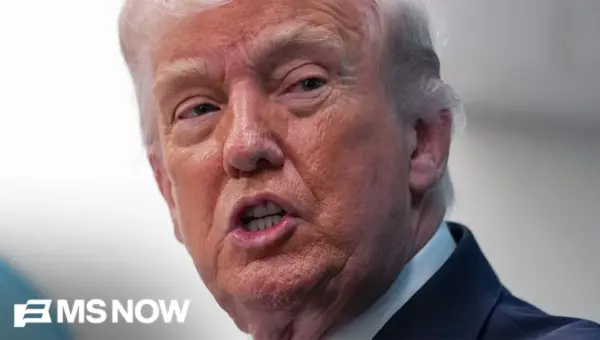
Senator Markey Demands Trump Impeachment Over Iran Threats
Senator Ed Markey of Massachusetts is calling for President Donald Trump's impeachment over his threats of war crimes against Iran. Markey described Trump as a "warmonger" whose actions are impeachable offenses. He urged the House to pass Articles of Impeachment and the Senate to convict and remove the President.
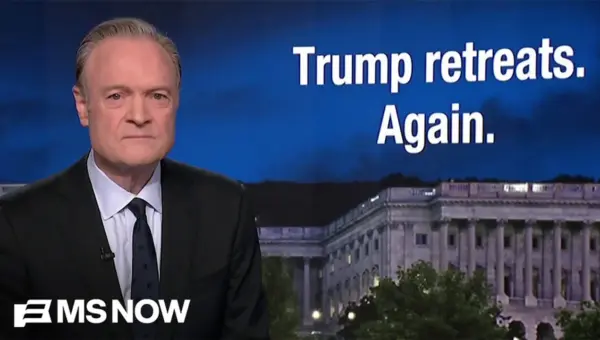
Trump’s ‘Civilization Will Die’ Threat Leaves Historic Stain
A recent statement by former President Donald Trump, threatening that "a whole civilization will die tonight," has been described as a permanent stain on American history. The article contrasts this unprecedented declaration with historical norms and explores the erosion of respect for the presidency.

Calls Grow for Trump’s Removal Over Iran Stance, Military Concerns
Calls for President Trump's removal via the 25th Amendment are growing, fueled by his rhetoric on Iran and concerns about his fitness for office. Veterans and political figures are questioning his leadership, especially its impact on military families and foreign policy clarity. Additionally, worries are surfacing about the integrity of local journalism amidst alleged political influence.