Iran Hacks Trump Official Amid Escalating Global Tensions
Iran has reportedly hacked into the emails of a former Trump administration official, raising security concerns. Meanwhile, US intelligence questions the effectiveness of strikes against Iran, and reports suggest Donald Trump's interest in the conflict is waning. The situation is further complicated by global economic impacts and allegations of bias within the US military.

Iran Hacks Trump Official Amid Escalating Global Tensions
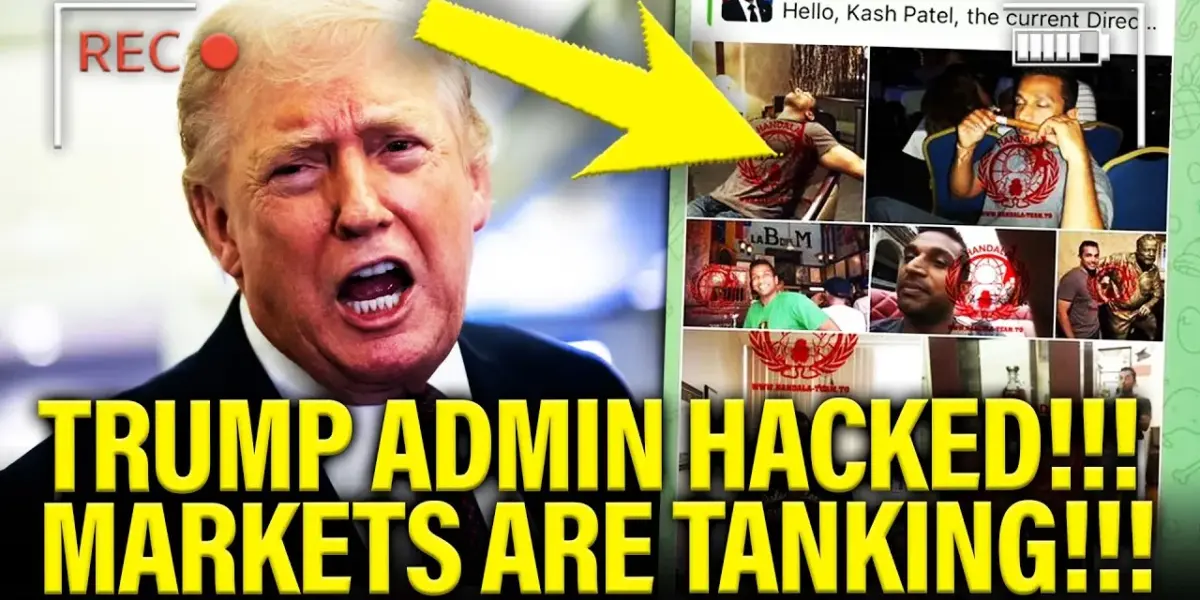
In a rapidly developing situation, Iran has reportedly hacked into the personal emails of Cash Patel, a former FBI official and an appointee in the Trump administration. This cyberattack, carried out by the Iranian state-backed Handala Group, has led to the release of Patel’s resume and older personal photos. The hackers have warned that this is “just the beginning” and have added Patel to their target list. This incident raises serious concerns about data security and the potential for further information leaks.
US Intelligence Questions Effectiveness of Strikes
Adding to the tension, US intelligence services are reportedly questioning the success of recent strikes against Iran’s military capabilities. Reports suggest that only about 33% of Iran’s ballistic missile and drone capabilities may have been destroyed. The remaining arsenal is believed to be stored in underground facilities, making them difficult to track and target. This assessment casts doubt on claims of significant damage and suggests Iran could sustain its attacks for weeks.
Trump’s Shifting Stance on Conflict
The transcript highlights a reported shift in Donald Trump’s approach to the ongoing conflict. While initially advocating for strong military action, there are claims that he has become disengaged and bored with the war. This alleged loss of interest comes as the US faces depleted munitions stockpiles and escalating global instability. The report suggests that Trump’s fluctuating stance may reflect a lack of a consistent strategy in dealing with international crises.
Geopolitical Ramifications and Economic Impact
The situation is further complicated by international relations and economic factors. Reports indicate that Russia and India are resuming direct sales of liquefied natural gas, bypassing Western sanctions. This move, along with other energy deals, could further destabilize global markets. Meanwhile, the Strait of Hormuz remains a point of contention, with Iran reportedly blocking ships and even attacking a container vessel. These actions have a direct impact on global trade, energy supplies, and the availability of critical materials like helium, which is essential for medical equipment and advanced manufacturing.
Historical Context and Broader Trends
This period echoes past instances where international tensions have spilled into cyber warfare and economic disruption. The Handala Group’s past activities, including hacking into the emails of former Israeli Prime Minister Ehud Barak and revealing connections to Jeffrey Epstein, demonstrate their capacity for significant information operations. The current situation also brings to mind the economic uncertainties and global realignments seen during the COVID-19 pandemic, suggesting a pattern of instability exacerbated by geopolitical conflicts. The reliance on underground facilities for missile storage is a tactic used by various nations to protect their military assets, making precise assessment of damage challenging.
Concerns Over US Military Readiness
A significant concern raised is the rate at which US military supplies are being depleted. The extensive use of Tomahawk missiles in a short period has led to worries about falling stockpiles. Analysts suggest that current production rates may not be sufficient to replenish these reserves, especially if conflicts continue or escalate. This situation could impact the US’s ability to respond to future threats and maintain its military readiness. The reliance on imported components for advanced weaponry also presents a vulnerability.
Allegations of Bias in Military Promotions
Adding another layer of controversy, there are allegations of racial and gender bias within the US military’s promotion system. Reports suggest that a Defense Secretary may have blocked the promotion of several officers, including Black women, based on discriminatory reasons. This has sparked concerns about fairness and equal opportunity within the armed forces, potentially undermining morale and trust.
Why This Matters
The events described highlight a complex and volatile global landscape. The cyberattack on a former US official by Iran demonstrates the escalating nature of modern warfare, extending beyond traditional battlefields. The intelligence community’s doubts about the effectiveness of military strikes raise questions about strategic decision-making and the true impact of conflict. Furthermore, the reported shift in leadership focus and the depletion of military resources signal potential vulnerabilities for the United States. The economic consequences, from energy supply disruptions to market volatility, affect everyone. The allegations of bias within the military also point to internal challenges that could affect national security. Understanding these interconnected issues is crucial for grasping the current state of international relations and anticipating future developments.
Implications, Trends, and Future Outlook
The ongoing conflict and related cyber activities point to a trend of asymmetric warfare, where non-state actors and nations alike employ digital tools to achieve strategic objectives. The focus on underground facilities by Iran suggests a long-term strategy for maintaining military capabilities despite external pressures. The depletion of US munitions raises questions about military spending, production capacity, and strategic planning for prolonged conflicts. This could lead to increased defense budgets and a push for greater domestic manufacturing of critical military hardware. The allegations of bias in promotions, if substantiated, could lead to reforms within military structures to ensure fairness and retain talent. The global economic impact, particularly on energy markets and supply chains, is likely to continue, potentially leading to inflation and shortages. The future outlook suggests a continuation of these complex challenges, requiring careful diplomatic, economic, and military strategies to navigate.
Source: Trump PANICS as Iran HACKS ADMIN in WAR!!! (YouTube)

Related Articles

Iran Hackers Target Kash Patel’s Emails, Raise Security Concerns
Iran-linked hackers have claimed to breach FBI Director Kash Patel's personal emails, releasing photos and documents. Experts warn of Iran's sophisticated cyber capabilities and potential national security risks. The incident occurs amid heightened U.S.-Iran tensions and debates over military strategy.

Ukraine Hits Oil Terminals, Halting 40% of Exports
Ukraine has successfully targeted Russia's oil export terminals, disabling 40% of the nation's export capacity. This strategic shift follows an evolving campaign against Russian energy infrastructure, now focusing on the limited number of export facilities to maximize disruption.

Trump Courts Farmers, Promises Agricultural Boom
Donald Trump addressed farmers at the White House, promising agricultural prosperity through deregulation, tax cuts, and trade deals. He positioned himself as a champion against the policies of the Biden administration and highlighted past achievements like repealing the estate tax and easing equipment repair rules. The speech aimed to solidify support from the farming community.