Iran Hackers Target Kash Patel’s Emails, Raise Security Concerns
Iran-linked hackers have claimed to breach FBI Director Kash Patel's personal emails, releasing photos and documents. Experts warn of Iran's sophisticated cyber capabilities and potential national security risks. The incident occurs amid heightened U.S.-Iran tensions and debates over military strategy.

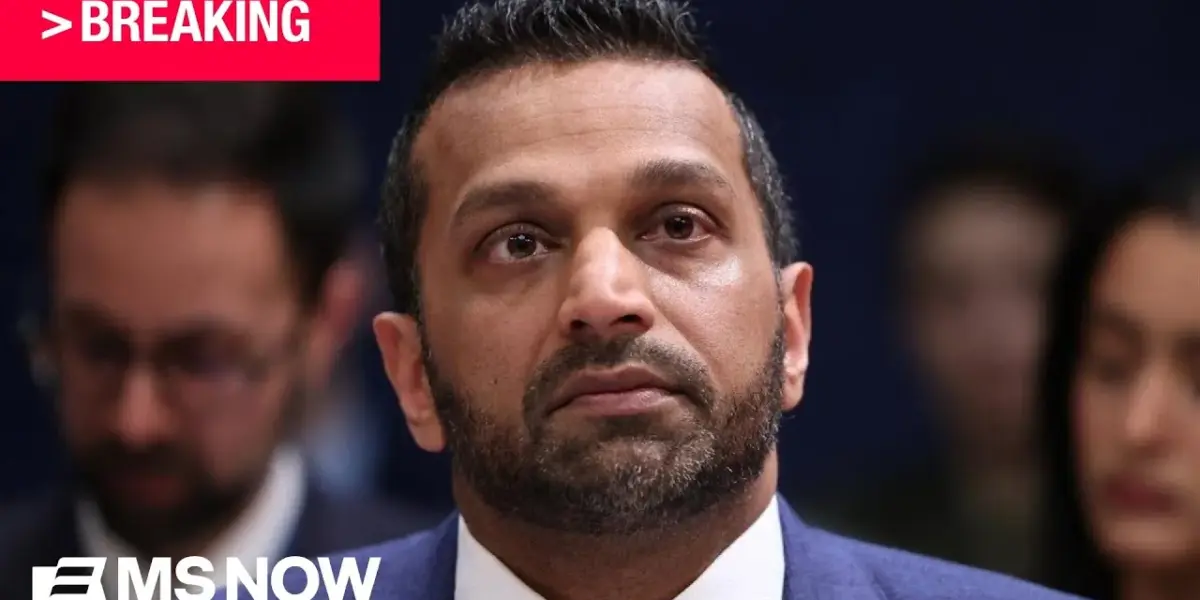
Iran-Linked Hackers Claim Breach of Kash Patel’s Personal Emails
Hackers linked to Iran have claimed they breached the personal email account of FBI Director Kash Patel. Reuters reported that the hackers released photos of Patel, along with what they claim is his resume and personal emails. These alleged communications reportedly date from 2010 to 2019.
MSNBC has not yet confirmed the legitimacy of these documents. The Department of Justice also told MSNBC that they do not have details about the alleged hack. The incident raises questions about cybersecurity and the potential risks faced by high-profile government officials.
Expert Concerns Over Sophistication and National Security
John Brennan, former CIA Director and MSNBC Senior National Security and Intelligence Analyst, expressed that Iran possesses highly advanced cyber capabilities. He noted that the ongoing conflict involving Iran has likely increased their efforts to target individuals through cyberattacks. Brennan stated, “I’m unsurprised that the Iranians are engaged in such activities.” He added that this has been a consistent capability of Iran for the past 10 to 15 years.
Brennan emphasized that the FBI director is a significant target, making such actions unsurprising. However, he also stressed the sophistication of Iran’s cyber abilities. When asked if the breach could compromise national security, Brennan explained it depends on what information the hackers accessed. He noted that the reported emails are from Patel’s past, making it unclear what sensitive information, if any, was obtained. Brennan advised other officials to remain extra vigilant during these times.
Broader Geopolitical Context and Cyber Defenses
The alleged hack comes as President Trump announced a delay in attacks on Iran’s power plants and extended a deadline for Iran to reopen the Strait of Hormuz. The President mentioned that Iran requested the extension. He stated, “They asked for seven. And I said, I’m going to give you 10 because they gave me ships.”
Former Congresswoman Jane Harman suggested this move might serve both Iran and the President by providing more time. She also raised concerns about U.S. cyber defenses, stating, “We have dumbed down our cyber defenses both at DHS, DOJ and DOD.” Harman pointed out that the Reuters report surfaced because Iran claimed credit, not because U.S. intelligence agencies discovered it. She highlighted that China also possesses significant cyber capabilities, citing a briefing on potential Chinese cyberattacks on U.S. infrastructure related to Taiwan.
Contradictions in U.S. Policy and Military Posture
Harman noted a contradiction between the President’s reported boredom with Iran and the Pentagon reportedly weighing the deployment of 10,000 ground troops. This potential deployment would significantly escalate the U.S. military presence in the region, as thousands of Marines and airborne troops have already been ordered there.
Brennan offered a charitable interpretation of the deadline extension, suggesting it could allow more time for negotiations or for U.S. forces to prepare for potential hostilities. He acknowledged that the situation might be dragging on longer than the administration anticipated. Brennan also commented on the President’s apparent frustration, suggesting it might be a tactic to deflect attention from other challenges. He questioned the administration’s strategic thinking regarding Iran, especially given ongoing issues in the Strait of Hormuz and Iran’s missile capabilities.
Trust and the Path Forward
Harman referenced an article from The New Yorker suggesting that in war, truth is often a casualty, and the President can be a chief offender. She pointed out discrepancies between the President’s statements about Iran posing an imminent threat and claims that the war has already been won, noting a lack of evidence for these assertions.
Harman urged Congress to authorize or deny the use of military force. She observed a divergence between the military and diplomatic missions, describing the military mission as “mission creep.” She expressed concern that the U.S. may have only destroyed a portion of Iran’s missiles and potentially strengthened the regime. Harman suggested that forming an international coalition to police the Strait of Hormuz and keep Iran in check would be a more effective strategy. She also mentioned that withdrawing from the JCPOA (Joint Comprehensive Plan of Action) has weakened the U.S. position regarding Iran, particularly concerning its nuclear program.
Looking Ahead
The alleged cyber breach of Kash Patel’s emails, coupled with the ongoing geopolitical tensions and strategic uncertainties surrounding Iran, highlights the complex challenges facing U.S. national security. As deadlines approach and military options are debated, the focus remains on how the administration will navigate these critical issues and whether trust can be maintained with both allies and adversaries.
Source: BREAKING: Iran-linked hackers claim they breached Kash Patel's personal email, report says (YouTube)

Related Articles

Secret Alloy Scientist Vanishes: New Probe Eyes Military Link
A top-secret alloy scientist, Monica Razer, vanished mysteriously over a year ago. Her disappearance, marked by strange online death declarations and no recovered body, is now being linked to the unexplained absence of General Neil McCasland, her former commander. The case raises national security concerns regarding advanced rocket materials.


Iran Hacks Trump Official Amid Escalating Global Tensions
Iran has reportedly hacked into the emails of a former Trump administration official, raising security concerns. Meanwhile, US intelligence questions the effectiveness of strikes against Iran, and reports suggest Donald Trump's interest in the conflict is waning. The situation is further complicated by global economic impacts and allegations of bias within the US military.


Iran Hacks FBI Director: A Stunning Breach of US Security
Iranian hacker groups claim to have breached the personal email of former FBI Director Cash Patel. This incident raises serious concerns about U.S. government security and follows other controversies surrounding Patel's tenure. It highlights the ongoing threat of foreign cyberattacks.