Iran Gains Strait of Hormuz Control Amidst War
Top US officials are traveling to Pakistan for critical talks with Iran, facing preconditions including a ceasefire in Lebanon and the release of blocked assets. Iran's de facto control over the Strait of Hormuz has emerged as a significant leverage point in the escalating regional tensions. The negotiations are expected to be tough, with both sides holding firm positions on key issues.

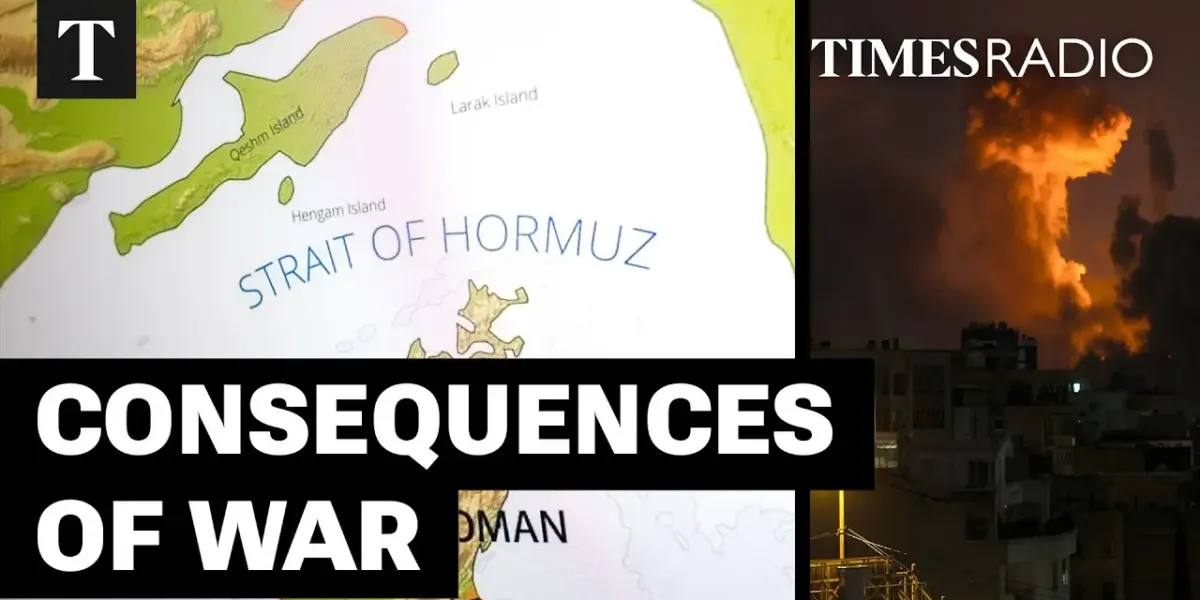
US-Iran Talks Loom Amidst Complex Geopolitical Tensions
United States officials are heading to Pakistan this weekend for crucial talks with Iran. The negotiations come at a time of heightened regional conflict, with Iran asserting de facto control over the Strait of Hormuz, a vital global shipping lane. This development is being called a “major unintended consequence” of recent US and Israeli attacks.
Preconditions and Sticking Points Dominate Talks
Iran has laid out clear preconditions for the negotiations. According to the Iranian parliament speaker, a ceasefire in Lebanon and the release of Iran’s blocked assets are necessary before discussions can begin. The US delegation, led by Vice President JD Vance, is reportedly prepared for tough discussions. Vance stated before departing, “If they’re going to try to play us, then they’re going to find that the negotiating team is not that receptive.”
The release of approximately $100 to $120 billion in blocked Iranian assets is a significant point of contention. Equally pressing is Iran’s demand for a ceasefire in Lebanon. Recent reports indicate ongoing Israeli strikes in Lebanon, with Lebanese officials reporting the deaths of 13 security personnel. This follows earlier air strikes in Beirut that killed over 300 people, highlighting the urgent need for de-escalation.
Iran’s Leverage: Control of the Strait of Hormuz
A key factor shaping the negotiations is Iran’s effective control over the Strait of Hormuz. This strategic waterway is crucial for global fuel supplies, with hundreds of vessels currently waiting to pass through. Experts suggest Iran may seek to establish a toll system, profiting from the passage of ships. However, this could violate international regulations and complicate trade deals with American companies, adding another layer of complexity to the situation.
Beyond Hormuz, the US delegation aims to secure the release of four American detainees held in Iran. A British couple, Lindsay and Craig Foreman, are also reportedly held in the same prison. The long-standing issue of Iran’s nuclear enrichment program will also likely be on the agenda. While Iran maintains its program is for peaceful energy purposes, the US and Israel seek its dismantling.
Diplomatic Experience and Tough Negotiations Ahead
Dealing with Iranian negotiators is known to be challenging. Former UK Ambassador to Iran, Nicholas Hopton, described them as “seasoned diplomats, very professional on top of their briefs.” He noted that the negotiating team might include figures like Javad Zarif, the former foreign minister, and current Foreign Minister Hossein Amirabdollahian, both highly experienced. However, the speaker of the parliament, Mohammad Bagher Ghalibaf, a hardline figure with a security background, is also expected to be involved, potentially leading to less smooth discussions.
Hopton emphasized that the US team should expect to face professionals who understand the details perhaps even better than some in the White House. The current positions of both sides are described as “very far apart,” suggesting that these talks may be more about establishing a dialogue than reaching immediate resolutions. As Hopton put it, “jaw jaw is better than war war,” highlighting the importance of the mere fact that discussions are happening.
Broader Implications and Future Outlook
The war has had significant, unintended consequences. Iran’s de facto control of the Strait of Hormuz, a threat it had long warned of but never acted upon until attacked, has given it considerable leverage. This control, along with retaliatory actions against regional countries, demonstrates that Iran has not been diminished by recent events. Instead, it appears to have strengthened its regional influence and its ability to project power.
The possibility of returning the Strait of Hormuz to its status as a freely navigable waterway under international law appears unlikely. Iran may seek joint control arrangements with neighboring Arab nations like Oman or the UAE. The negotiations in Pakistan represent a critical moment, with the potential to either de-escalate tensions or further entrench the current difficult geopolitical landscape.
What happens next will depend on the willingness of both sides to compromise on key issues like the ceasefire in Lebanon, the release of assets and detainees, and Iran’s nuclear program. The world watches to see if these talks can move beyond being just “talks about talks” and pave the way for a more stable future.
Source: Iran’s De Facto Control Of Strait Of Hormuz ‘Major Unintended Consequence’ Of War | Nicholas Hopton (YouTube)

Related Articles

NATO Allies Urged to Step Up Support for US
Retired Navy SEAL Mike Cirelli urges NATO allies to increase their support for U.S. international efforts, citing delays in crucial operations. NATO's chief acknowledges past slow responses, while Cirelli emphasizes the need for allies to take greater responsibility for global security, especially concerning energy supplies.

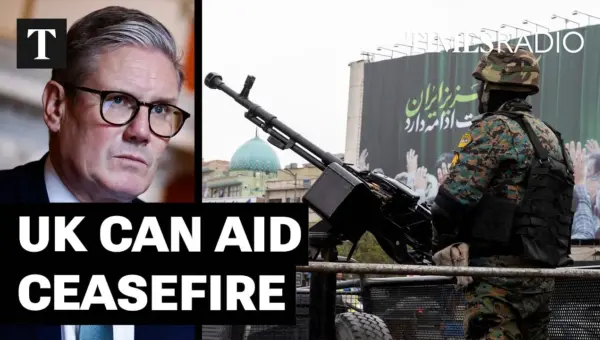
UK Offers Iran Negotiation Insight to Aid Trump’s Stalled Deal
The UK is offering its diplomatic expertise to the US to help President Trump navigate complex negotiations with Iran. As talks loom amidst uncertainty and strained UK-US relations, London believes its experience can aid in achieving a settlement and reopening the Strait of Hormuz. Discussions also highlight the UK's defense readiness and its role in regional stability.

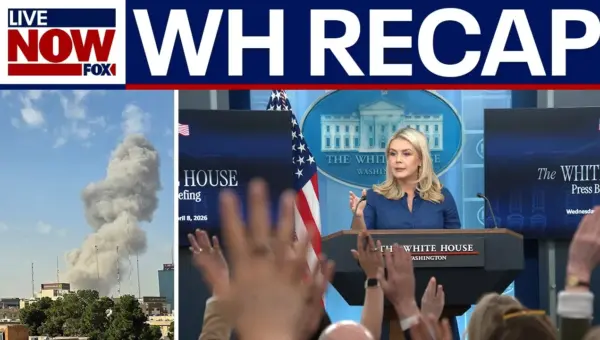
Iran Nuclear Talks Heat Up Amid Ceasefire Concerns
The White House is clarifying its stance on Iran's nuclear program, emphasizing that enrichment is off the table. Meanwhile, a high-level delegation is heading to Pakistan for critical talks amid reports of continued hostilities and the alleged closure of the Strait of Hormuz, testing a fragile ceasefire.