Iran Forces Trump’s Hand in Islamabad Talks
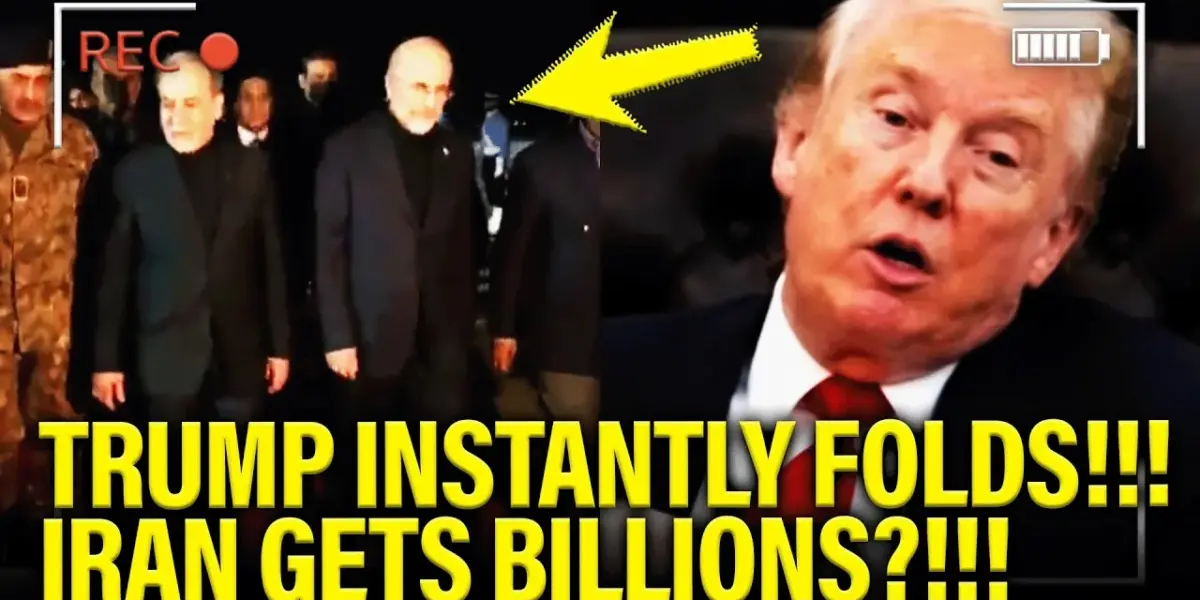
Reports suggest Iran secured key concessions, including a ceasefire in Lebanon and the release of billions in frozen assets, before negotiations with Donald Trump's representatives even began in Islamabad. This move challenges the administration's initial tough stance and raises questions about the balance of power.

Iran Forces Trump’s Hand in Islamabad Talks
Negotiations between Donald Trump’s representatives and Iran in Islamabad appeared to take a dramatic turn, with reports suggesting Iran secured key concessions before talks even began. This development challenges the initial tough stance presented by the Trump administration, raising questions about the balance of power in international diplomacy.
Pre-Negotiation Demands Met
Sources indicate that Iran’s parliament leader, MB Galabaf, and Foreign Minister Aragchi initially refused to attend the Islamabad meetings. Their condition for participation was clear: a ceasefire in Lebanon and the release of Iran’s frozen assets. These demands were publicly stated by Galabaf on social media before the Iranian delegation’s arrival in Pakistan.
The Trump administration, initially resistant to including Lebanon in ceasefire discussions, reportedly changed course. Following Iran’s stance, it appears that temporary assurances were made regarding no further strikes in Lebanon. Additionally, the release of Iran’s blocked assets, estimated to be between $8 to $10 billion, was also agreed upon.
Iran’s social media channels then announced that these preconditions had been accepted. This suggests that significant financial resources may have already been transferred by the United States to Iran, a move drawing comparisons to past criticisms of the Obama administration’s dealings with Iran.
Iran’s Position and US Concerns
Following the acceptance of their demands, the Iranian delegation arrived in Islamabad. MB Galabaf stated that Iran would be ready for a real agreement if the US was prepared to grant the Iranian nation its rights. However, he also expressed a lack of trust based on past experiences, noting that negotiations with Americans have often ended in broken commitments and attacks, even during times of goodwill.
Despite the apparent concessions, some US officials have voiced concerns. Reports suggest intelligence assessments indicate Iran retains a substantial arsenal of ballistic missiles and drones. There is worry that a pause in fighting could allow Iran to rebuild parts of its military capabilities.
Strait of Hormuz Traffic Dips
Data shared with NBC News shows a significant drop in vessel traffic through the Strait of Hormuz. Following the announcement of a ceasefire, the number of ships transiting the strait fell to just two, a stark contrast to the typical daily traffic of 130 to 160 vessels. This decline, particularly the low number of tankers and Iranian-flagged cargo ships, suggests a heightened level of control or influence by Iran over this critical global waterway.
Analysis of the Negotiation Dynamics
The events in Islamabad have been characterized by some as Iran employing a strategic diplomatic maneuver, sometimes referred to as “jiu-jitsu,” to gain leverage. By setting firm preconditions and seeing them met, Iran has publicly demonstrated a position of strength. This contrasts sharply with the strong rhetoric previously employed by Donald Trump regarding regime change and the dismantling of Iran’s military capabilities.
Critics point to Donald Trump’s own social media activity during this period, which focused on domestic projects like a triumphal arch and new statues, as being out of sync with the gravity of international negotiations. The argument is that such diversions suggest a lack of focus on the core issues at hand.
Furthermore, remarks attributed to Donald Trump about Iran’s military being defeated and its navy gone are being directly challenged. Observations suggest Iran’s smaller naval vessels maintain significant control over the Strait of Hormuz, capable of escorting ships and influencing traffic. The assertion that the strait would open automatically if shipping companies simply proceeded through it is also questioned, especially given the current low traffic levels.
Why This Matters
This situation highlights the complex and often unpredictable nature of international diplomacy. It demonstrates how smaller nations can, through strategic positioning and clear demands, influence the actions of larger global powers. The outcome of these negotiations, and the underlying power dynamics, will have significant implications for regional stability, global energy markets, and the broader geopolitical landscape.
Historical Context
Relations between the US and Iran have been fraught with tension for decades, marked by periods of direct confrontation, sanctions, and complex negotiations. Past agreements, like the Joint Comprehensive Plan of Action (JCPOA) under the Obama administration, aimed to curb Iran’s nuclear program but faced strong opposition and were later withdrawn from by the Trump administration. This history of distrust and shifting policies creates a challenging environment for any future diplomatic breakthroughs.
Future Outlook
The immediate future will likely be defined by the progress, or lack thereof, in the Islamabad talks. The acceptance of Iran’s preconditions suggests a willingness on the part of the Trump administration to engage, but the underlying distrust and differing objectives remain significant hurdles. The ability of both sides to move beyond preconditions and address core security and economic concerns will be crucial. Failure to do so could lead to continued instability in the region, impacting global trade and security.
Source: Trump INSTANTLY FOLDS in IRAN NEGOTIATIONS!!!! (YouTube)

Related Articles
Hormuz Strait Blockade Will End Soon, US Predicts
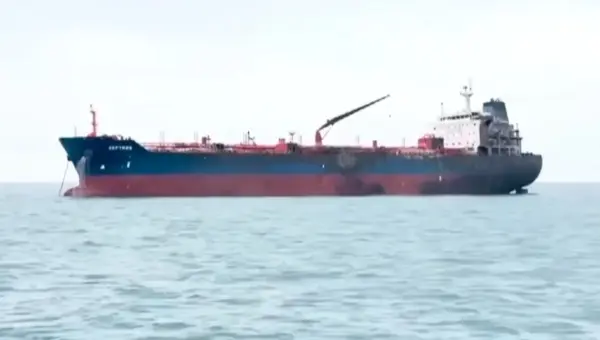
White House advisor Kevin Hassett predicts the Strait of Hormuz will reopen within two months, easing global oil transport. He anticipates economic benefits and lower energy prices once the waterway is clear. Current data shows significantly reduced ship traffic.

Ukraine Shoots Iranian Drones in Middle East: A Bold New Strategy
Ukrainian forces are now shooting down Iranian drones in the Middle East as part of a security exchange. President Zelensky revealed this strategy, which aims to secure aid and resources for Ukraine's defense. The move highlights Ukraine's active role in global security.
Senator Slams Trump’s ‘Failed Leadership’ on Iran War Strategy
Senator Chris Coons has criticized former President Donald Trump's handling of the Iran conflict, citing "failed leadership" and a lack of clear planning. The war has incurred significant costs, including American lives and rising economic burdens on families, without achieving its stated objectives. Coons expressed concern over the administration's approach, warning of a potentially difficult period ahead.