Iran Footballers Reconsider Asylum in Australia Amid Family Threats
Three members of Iran's women's football team have reportedly decided to return to Iran after initially seeking asylum in Australia, citing threats to their families. Activists express grave concerns over potential repercussions from the Iranian regime.

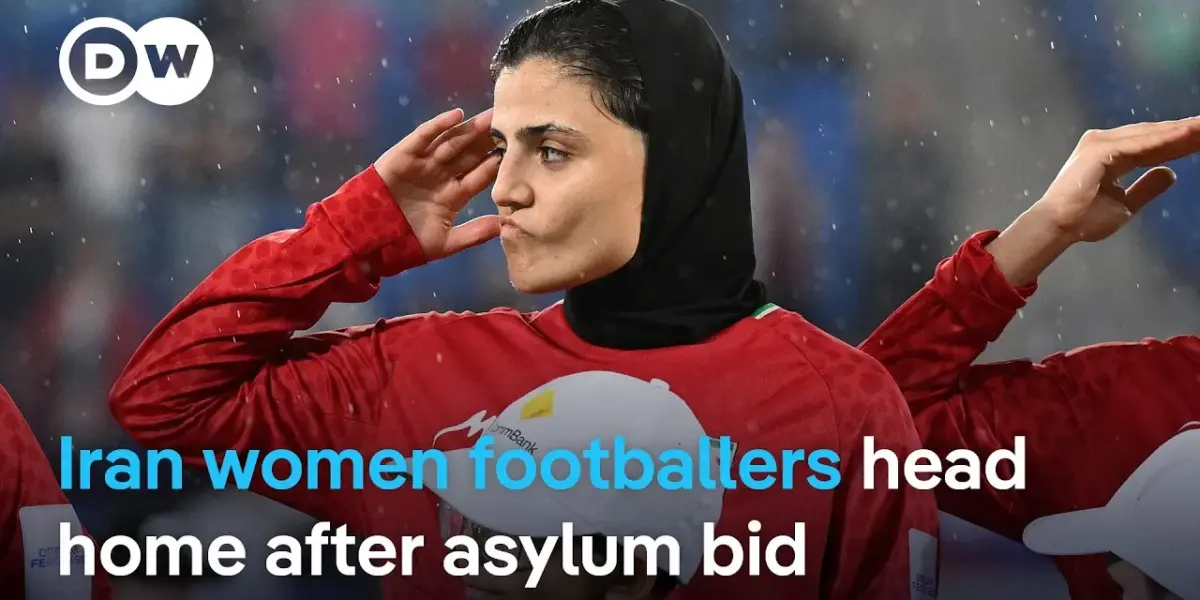
Iranian Footballers Reverse Asylum Bid Amid Family Pressure
In a dramatic turn of events, three members of Iran’s women’s national football team, who had sought asylum in Australia, have reportedly decided to return to their home country. This decision follows an initial group of seven players who were granted humanitarian visas after expressing fears of repercussions in Iran. The players had been labeled “traitors” by Iranian state media for remaining silent during their national anthem at a recent Asian Cup match, sparking concerns for their safety and that of their families.
Family Threats Cited as Key Factor
Nazanin Noah, an activist closely monitoring the situation, revealed that threats against the families of the players are believed to be the primary catalyst for their decision to return. “From the information that I have from my contacts inside of Australia, the Iranians that were trying to help them… they say that their families have been threatened,” Noah stated. “Reports have come back that family members of these women have been threatened. Uh, some of them reportedly as of just about a couple of hours ago from the update I received, um, their whereabouts are unknown.”
Noah described this as a “common regime tactic,” highlighting that the Islamic Republic frequently pressures athletes. She explained that players are often accompanied by “minders” and are restricted from speaking to foreign press without guidance. The situation has intensified with reports that a fifth player, initially believed to be defecting, has also chosen to return to Iran.
“The Islamic Republic threatens athletes. They have minders with them at all times; they’re not allowed to talk to foreign press without guidance. So, this is something that we’ve seen a lot and we’re very concerned for the well-being of these girls.”
Nazanin Noah
Grave Concerns Over Potential Repercussions
The possibility of severe consequences for the players upon their return to Iran looms large. Noah warned that the accusations of treason leveled against them by state media could carry dire penalties, including execution, under the Iranian regime. “When a state-controlled television host goes on TV and tells people that these women should be treated as traitors and that their act is treasonous, those charges, if levied against anybody inside of the Islamic Republic, inside of Iran, could carry an execution sentence,” Noah explained. She pointed to past instances where the regime has executed athletes, such as champion wrestler Navid Afkari and martial artist Muhammad Mi Kadami, underscoring that the regime’s repression extends across professions and socioeconomic backgrounds.
Australian Government’s Role and Limitations
Australia’s Minister for Emergency Management affirmed that the government has provided all necessary support to the players, emphasizing their right to make their own decisions. “Our government has been very open about the steps that we have taken to ensure that these women and support staff had every opportunity to make their own decisions in this regard,” the minister stated. “These women have a choice about what they want to do, and that’s something that’s not often afforded to them in their own country.”
However, Noah suggested that despite the Australian government’s efforts, external pressures, particularly family threats, may have outweighed the support offered. She detailed how Iranian-Australian activists and government officials attempted to engage with the players at their hotel but faced restrictions. “Under the law in Australia, they can’t actually do something. They couldn’t take action unless they were approached by the girls first,” Noah said, explaining the process through which the humanitarian visas were initially granted. She added, “But right now, because they’re under the threat of this regime, we’re all very worried from what could happen to them. And I know Australia really has tried very, very hard to get them to stay. But there’s only so much you can do when your family is being threatened by a very brutal, murderous regime.”
Broader Context: Internet Blackouts and Regime Tactics
The situation with the footballers unfolds against a backdrop of broader concerns about the Iranian regime’s control and repression. Noah drew parallels between the current events and the regime’s tactics of imposing internet blackouts. “Every time the regime imposes this type of blackout, they slaughter, they massacre, they execute,” she stated, referencing a “massacre in January” as the worst in contemporary Iranian history. The activist noted the anxiety felt by many Iranians and their families due to these blackouts, which hinder communication and facilitate state-sanctioned violence.
Looking Ahead
The fate of the Iranian footballers and their families remains a critical concern. As they reportedly prepare to return to Iran, the international community and human rights organizations will be closely watching for any signs of retribution or consequences. The incident highlights the complex challenges faced by athletes and dissidents seeking to escape authoritarian regimes, particularly when family members remain vulnerable to state-sponsored pressure. The ongoing efforts to monitor the situation and the potential for further international scrutiny will be key in the coming days and weeks.
Source: Iranian women’s football players drop asylum bid in Australia | DW News (YouTube)

Related Articles


China’s Organ Harvest: The CCP’s Dark Secret Exposed
A new bestseller, "Killed to Order," exposes China's alleged 20-year practice of forced organ harvesting from prisoners of conscience. Author Jan Jekielek details the system's scale and how the West may have become complicit. The book raises critical questions about human rights and international ethics.


Trump Flirts With Host, Dodges Iran Human Rights Question
During an interview, Donald Trump deflected a question about the human rights situation in Iran. Instead of answering, he reminisced about a past lunch and complimented the interviewer's appearance. This exchange highlights a trend in political communication where personal interactions can overshadow serious global issues.


US Soldier Fights ICE to Reunite with Asylum-Seeking Wife
A U.S. soldier is fighting to bring his asylum-seeking wife home from ICE detention. Despite his service, his wife faces deportation after her asylum and marriage-based green card processes encountered legal hurdles.