Iran Faces Strike Threat as Deadline Looms
President Trump warns Iran could be "taken out" within hours if the Strait of Hormuz isn't reopened. Israel has also issued civilian warnings in Iran as tensions escalate and regional air defenses go on alert.


Iran Faces Strike Threat as Deadline Looms
President Donald Trump has issued a stark warning to Iran, stating that the entire country could be “taken out” within hours if a deadline passes without the Strait of Hormuz being reopened. This declaration signals a potential escalation of tensions, with the United States specifically targeting Iranian power plants and bridges as vulnerable locations. The warning comes as Iran rejected a 45-day ceasefire proposal, demanding a permanent end to the conflict instead.
Israel Issues Civilian Warnings Amidst Escalation
In parallel, Israel has issued new warnings to civilians in Iran, urging them to avoid using trains until 9 PM local time. The Israeli military stated that travel on trains or near railway lines endangers lives. This advisory follows Israeli forces striking targets in and around Iran, focusing on ballistic missile launchers to weaken Iran’s air defenses. These actions are seen as preparations for the impending deadline.
Tehran’s Defiance and Regional Alerts
Tehran’s response has been one of defiance. Iran’s president declared that over 14 million Iranians are ready to sacrifice their lives for the defense of their nation. This stance highlights the deep commitment to resistance within Iran. Meanwhile, the region is on high alert. Air defenses and sirens have been activated in the United Arab Emirates, Saudi Arabia, and Bahrain. Missile fragments have also struck locations in Israel, indicating Iran’s continued pressure from various points in the region. Tel Aviv itself experienced new alerts due to the potential for further missile attacks.
Motivations and Interests
President Trump’s threat appears aimed at deterring Iran from further actions that could disrupt crucial shipping lanes like the Strait of Hormuz. The reopening of this vital waterway is a key interest for global energy markets and international trade, particularly for the United States and its allies. By threatening severe retaliation, the U.S. seeks to compel Iran to de-escalate and comply with international demands. Iran, on the other hand, demonstrates a strong nationalistic resolve, prioritizing its sovereignty and signaling a willingness to endure hardship for its defense. Their rejection of a temporary ceasefire suggests a desire for a more fundamental resolution to the conflict, potentially seeking guarantees for its long-term security and geopolitical standing.
Historical Context
The current standoff echoes historical patterns of confrontation between Iran and Western powers, often centered on control of strategic waterways and Iran’s nuclear program. Previous incidents, such as tanker attacks in the Persian Gulf and the imposition of sanctions, have created a cycle of tension. The Strait of Hormuz, a narrow chokepoint through which a significant portion of the world’s oil passes, has repeatedly been a focal point for regional disputes. Iran has previously threatened to close the strait, a move that would have severe global economic consequences.
Economic Leverage and Global Impact
The primary economic leverage in this situation revolves around energy supplies and trade routes. The Strait of Hormuz is critical for transporting oil from the Middle East to global markets. Any disruption, whether through military action or political maneuvering, could send oil prices soaring and destabilize economies worldwide. The threat of U.S. strikes on Iranian infrastructure also highlights the economic vulnerability of Iran, which has already been heavily impacted by international sanctions. These sanctions aim to cripple Iran’s economy and pressure its government to change its behavior. The activation of air defenses in Saudi Arabia and the UAE shows how regional economic stability is directly tied to the security of these shipping lanes.
Regional Dynamics and Future Scenarios
The involvement of Israel, and the alerts in Saudi Arabia and the UAE, underscore the interconnected nature of regional security. These nations share concerns about Iran’s influence and military capabilities. The current situation presents several possible future scenarios. One is a de-escalation, where Iran reopens the Strait of Hormuz, leading to a temporary easing of tensions. Another is a limited military engagement, where the U.S. carries out targeted strikes as threatened, potentially leading to retaliatory actions from Iran and its proxies. A more extreme scenario involves a wider regional conflict, which could have devastating consequences for all involved and the global economy.
Conclusion
The looming deadline and the rhetoric from both the U.S. and Iran point to a critical juncture. The coming hours will likely determine whether diplomacy can prevail or if military action will further destabilize an already volatile region. The decisions made now will have far-reaching implications for international security and global economic stability.
Source: Iran could be 'taken out' in one night, Trump warns | Morning in America (YouTube)

Related Articles
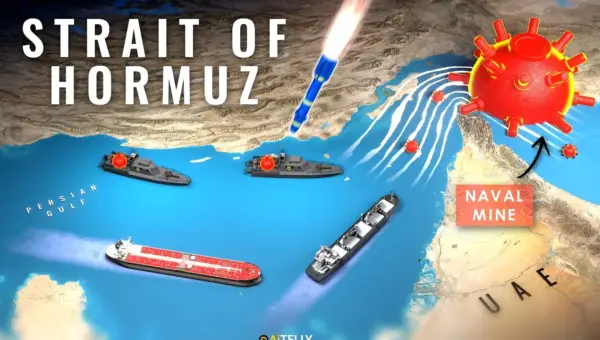
US Strikes Iran’s ‘Mosquito Fleet’ to Secure Oil Lanes
Iran's use of naval mines and fast attack boats in the Strait of Hormuz prompted a decisive US response. The US employed a preemptive strategy, striking mine-laying ships and storage facilities with precision-guided missiles and bombs.
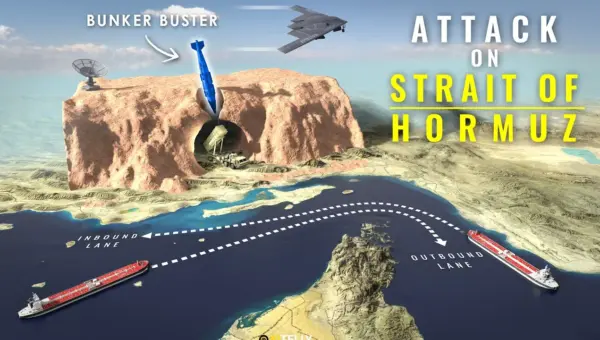
Iran’s Strait of Hormuz Trap: How the US Fights Back
Iran's strategy to control the Strait of Hormuz involves using islands as bases for anti-ship missiles and launching swarm attacks with small boats. The US counters with advanced defense systems, surveillance drones, and powerful bunker-buster bombs, highlighting the ongoing tension in this vital global shipping lane.

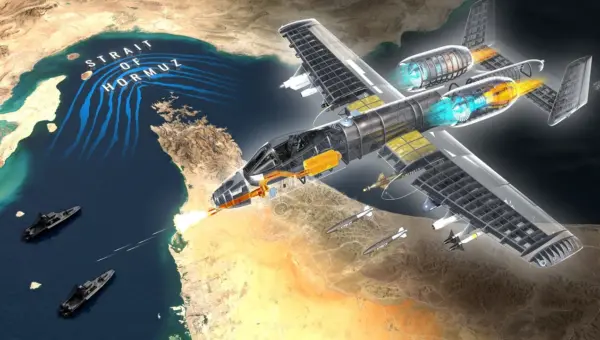
A-10 Warthog Defies Retirement in Hormuz Strait
The U.S. Air Force's plan to retire the A-10 Thunderbolt faces a challenge in the Strait of Hormuz. Its unique design, built for low-and-slow flight and extreme durability, makes it essential for countering small boats and drones in the narrow waterway. The Warthog's ruggedness and specialized firepower prove its continued value.