Iran Faces Second Strike: Military Assets Ready
Iran faces the possibility of a second military strike as U.S. forces maintain a strong presence in the Middle East. Key waterways like the Strait of Hormuz remain critical for global oil flow, and any disruption could impact markets. Political rhetoric also adds another layer of complexity to the tense situation.

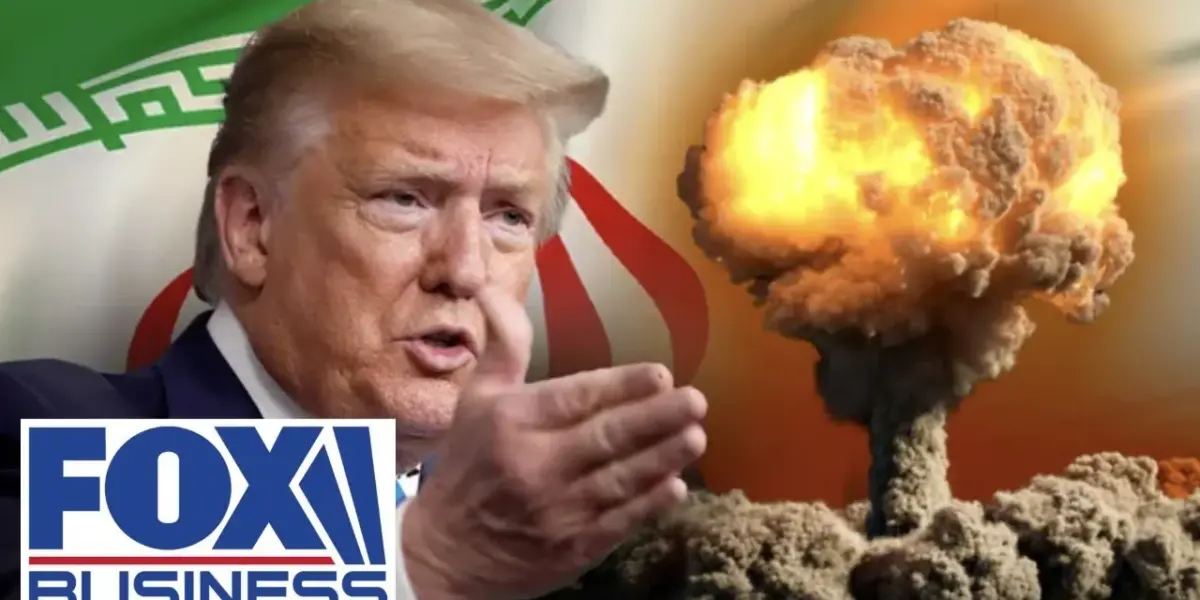
Iran Braces for Potential Second Strike Amidst Military Buildup
The Middle East remains on edge as Iran potentially faces further military action. Following initial strikes, significant U.S. military assets are positioned and ready, raising questions about the next steps. The situation highlights the delicate balance of power and the potential for rapid escalation in the region.
U.S. Military Might Deployed
The United States maintains a substantial military presence in the Middle East. This includes approximately 50,000 U.S. troops on the ground. Additionally, two aircraft carrier strike groups and about 20 warships are operating in the area. Over a dozen air squadrons are also part of this formidable force. These assets represent a significant show of strength and readiness.
The Strait of Hormuz and Oil Flow
A key concern in the region is the Strait of Hormuz, a vital waterway for global oil transport. The potential closure or disruption of this strait can have major impacts on the world economy. The transcript mentions past actions, like B-52 bombers approaching Kharg Island, an oil facility, just before a ceasefire. This suggests a willingness to target critical infrastructure if necessary.
Surprise and Readiness: The First Strike
The initial strikes, occurring over a month ago, were characterized by their suddenness. One observer noted that the attacks happened “without warning.” This element of surprise is a significant military tactic. However, it also means that any subsequent action could be met with more prepared defenses.
Preparing for a ‘Second Punch’
The discussion points to the possibility of a “second punch” if a ceasefire breaks down. Unlike the initial strikes, Iran might not have the same level of defensive readiness. The military machine is described as having had three days to rest and prepare, suggesting they are ready for renewed action. This implies that Iran is aware of the potential for a decisive follow-up strike.
Iran’s Position and Potential Response
The current situation places Iran in a difficult position. The analysis suggests that Iran understands the severe consequences of further conflict. They may be forced to “cry uncle,” a colloquialism for admitting defeat or seeking terms. The transcript criticizes Iran’s past tactics of sending out misleading information, suggesting this strategy is no longer effective.
Economic Implications and Industry Confidence
The stability of the region directly impacts the global economy, particularly the oil market. Industry leaders and insurance carriers closely watch developments. The transcript notes that the flow of oil tankers through the Strait of Hormuz is a key indicator. A slowdown or zero activity on normal days signals trouble. Rebuilding confidence in the safety of the route requires assurance that Iran will adhere to agreements.
Political Rhetoric and Military Morale
Beyond military strategy, political rhetoric plays a role. The transcript touches on criticism directed at President Trump regarding war crimes. It also discusses accusations that some politicians encourage troops to disobey orders. Such statements can have a negative impact on service members’ morale and sense of respect. The speaker emphasizes that while words matter, the source of the message is also crucial.
The Role of Opposition
The political climate is described as one where opposition parties are seen as professional contrarians. Their focus, according to the speaker, is often on obstruction rather than offering concrete solutions. This is contrasted with the ongoing work of the rest of the country and the need for agreements on critical issues, like government funding.
Market Impact
The heightened military tensions and the readiness for potential further strikes create uncertainty in global markets. Oil prices could see volatility depending on any actions taken or threatened concerning the Strait of Hormuz. Defense sector stocks might also react to an increase in geopolitical risk. Investor confidence in the region’s stability is a key factor influencing capital flows.
What Investors Should Know
Investors should monitor geopolitical developments closely. Key indicators include the status of oil shipments through the Strait of Hormuz and any official statements from involved parties. The potential for military escalation poses risks to global supply chains and energy markets. Understanding the strategic positioning of military assets and the political dynamics is crucial for assessing the short-term and long-term implications.
Source: ‘WITHOUT WARNING’: Iran awaits SECOND PUNCH from Trump (YouTube)

Related Articles

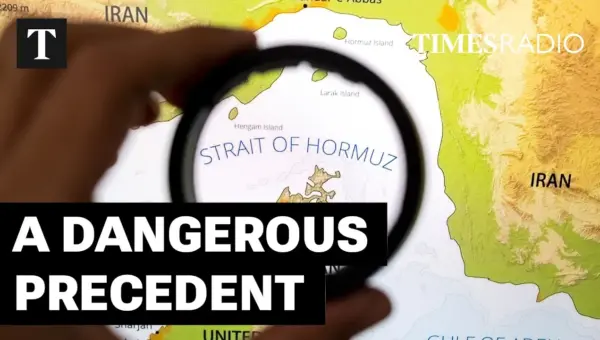
US Navy Clears Strait of Hormuz Mines Amid Tensions
The U.S. Navy has begun clearing sea mines in the Strait of Hormuz, a crucial global shipping lane, as commercial traffic remains critically low. Experts warn that Iran potentially controlling the strait could set a dangerous precedent for global trade, leading to a "free-for-all" in vital waterways worldwide.


Middle East Must Lead Iran Response, US Steps Back
Radio host Glenn Beck argues that Middle Eastern nations, not the US, must take the lead in addressing regional security threats like Iran. He believes former President Trump's policies are reshaping global order, encouraging allies to become more self-reliant. This signals a potential shift away from traditional US global leadership.
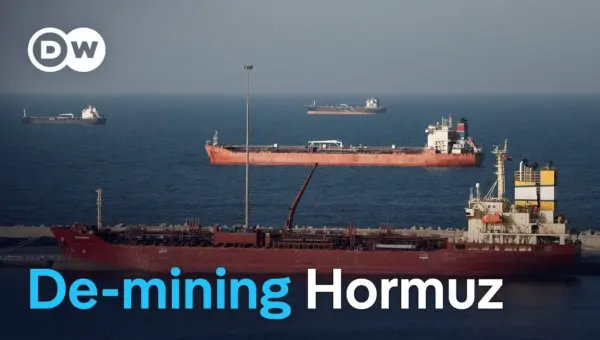
US Warships Clear Strait of Hormuz Amid Mine Threats
US warships are reportedly sweeping the Strait of Hormuz for mines amid escalating tensions with Iran. While the US claims progress, experts note a lack of dedicated mine-clearing vessels in the region and question the current mine threat. The situation's resolution may depend on ongoing peace negotiations.