Iran Faces New US Strategy: Regime Change?
Former US military officials suggest a strategic shift towards prioritizing regime change in Iran. This comes after a period of conflict that allowed Iran to regroup, with new debates on targeting economic lifelines like Kharg Island. The potential for a more assertive US policy could reshape regional stability.

Iran Faces New US Strategy: Regime Change?
Recent discussions among former US military officials suggest a significant shift in American strategy toward Iran, potentially prioritizing regime change over traditional deterrence. This comes after a period of intense conflict and a subsequent pause, which analysts believe has benefited Iran by allowing it to regroup and rearm. The officials argue that the US could quickly resume targeting Iran if diplomatic efforts fail, armed with new insights gained from the recent conflict.
A Strategic Pause Benefits Iran
Admiral Robert Harward, former Deputy Commander of CENTCOM, stated that the current pause in conflict provides Iran with crucial breathing room. For 37 days, Iranian command and control systems were disrupted, leaving them unsure of communication lines and control over their forces. This period of intense pressure, according to Harward, brought Iran to the brink of collapse. The pause allows Iran to recover its command structures and rearm, a strategic advantage gained during this lull.
Drone Warfare Changes the Game
The recent conflict highlighted the growing importance of drone warfare. Brigadier General John Tiger, former Assistant Deputy Under Secretary of the Air Force, noted that while drones have always been part of conflict, the sheer scale and low cost of producing thousands of them have been a game-changer. This is similar to how Ukraine used inexpensive drone technology to counter Russia’s military might. Iran has employed similar tactics, using drones to balance power against the United States, even after facing significant bombing campaigns.
Rethinking Targets and Strategy
With a chance to pause and reassess, US officials are considering new target sets and strategies. The assumption has been that striking energy infrastructure, like oil and power plants, would cripple the regime. However, these targets may not be enough. There is a growing debate about prioritizing actions that could foster conditions for regime change, rather than solely focusing on disrupting Iran’s military capabilities or energy sector.
Economic Lifelines Under Scrutiny
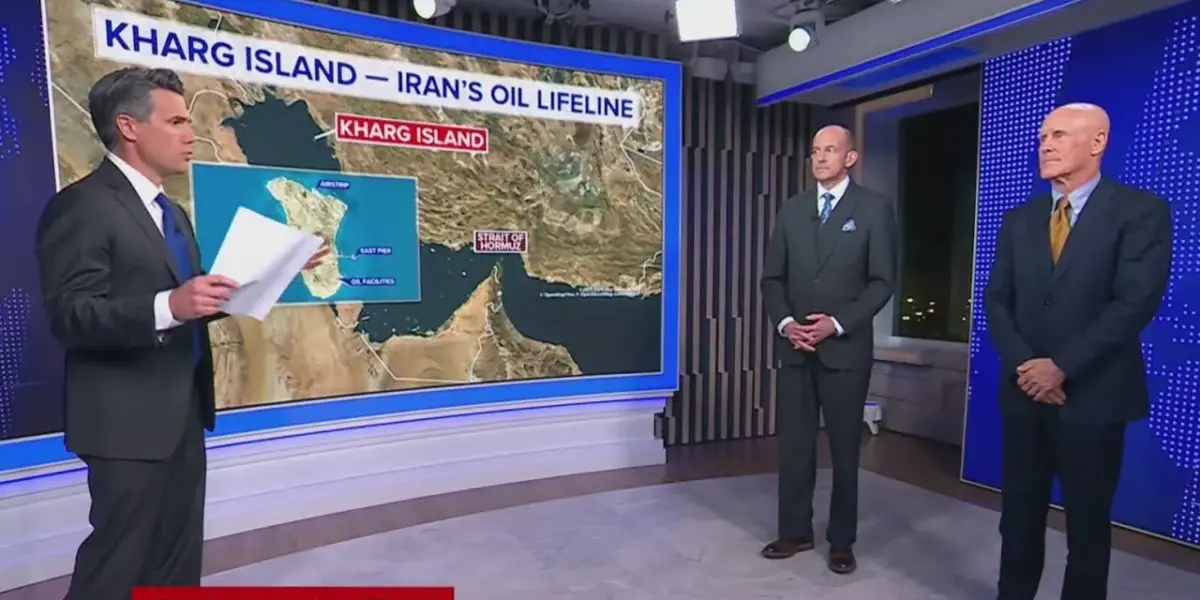
Kharg Island, responsible for 90% of Iran’s oil exports, is identified as a critical economic target. This island is the lifeblood of the Iranian regime’s finances. The discussion includes potential actions like blocking access to Kharg Island, preventing any ships from docking or leaving. This would directly cut off the regime’s financial resources, a strategy deemed more impactful than attacking power grids or water infrastructure, which officials believe the regime is less concerned about.
Regime Change as the Ultimate Objective
Pete Hegseth, a commentator, pointed out that targets like power plants and oil infrastructure, which Iran could not easily rebuild, were on the table. He believes the US military was ready to strike these points. However, the focus shifted to securing oil flow through the Strait of Hormuz and neutralizing missiles, while Israel pursued leadership targets. The potential for regime change is presented as the ultimate strategic objective. Officials regret not prioritizing actions that could have led to regime change during the recent conflict.
Historical Context and Future Scenarios
The Strait of Hormuz, a vital 20-mile-wide waterway, has been a focal point of regional tensions for decades. Iran has often threatened to close it, a move that would severely disrupt global oil supplies. The current situation echoes past concerns about Iran’s strategic actions. The possibility of escalating actions against the Islamic Revolutionary Guard Corps (IRGC) and its members is also being discussed. The officials suggest that many tools, including hunting and capturing or eliminating key figures, have not yet been fully utilized.
Global Impact and Shifting World Order
The potential for the US to actively pursue regime change in Iran carries significant global implications. It could lead to further regional instability, increased tensions with other powers, and a reshuffling of alliances. The emphasis on economic pressure, particularly targeting oil exports, highlights the interconnectedness of global energy markets and the financial stability of nations. If successful, a change in Iran’s leadership could dramatically alter the geopolitical landscape of the Middle East, impacting everything from energy prices to regional security dynamics.
Why This Reshapes the World Order
The shift towards prioritizing regime change signifies a more assertive and potentially destabilizing US foreign policy approach. It moves away from managing existing regimes to actively seeking to replace them. This strategy, if pursued aggressively, could embolden other actors to adopt similar tactics, leading to a more volatile international environment. The effectiveness of drone warfare and the focus on crippling economic lifelines suggest a future of conflict driven by asymmetric tactics and economic warfare, rather than traditional large-scale military engagements.
Source: US could quickly resume targeting Iran: Ex-military officials | On Balance (YouTube)

Related Articles

Trump Faces Backlash as Allies Criticize His War Strategy
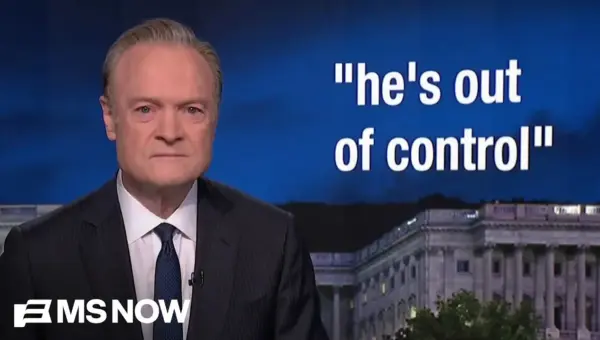
Donald Trump is facing increasing criticism from allies and political figures over his handling of a foreign conflict, with concerns mounting about his mental stability and decision-making. His wife, Melania Trump, has entered the discourse, calling for testimony from Epstein survivors, while figures like Marjorie Taylor Greene question his fitness for office. Reports also highlight issues with military preparedness and Trump's unique approach to international negotiations.

Israel Bombs Beirut, Netanyahu Approves Talks Amid Ceasefire Confusion
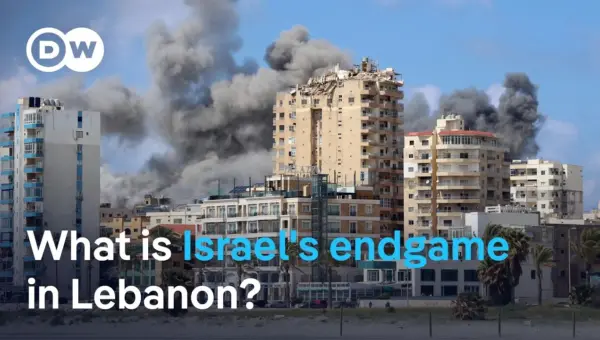
Israel has bombed Beirut and approved talks with Lebanon amid confusion over a US-Iran ceasefire deal. Analyst Shakria Brados explains the differing goals of the US and Israel, and how a shift in Lebanese government policy may enable cooperation against Hezbollah.
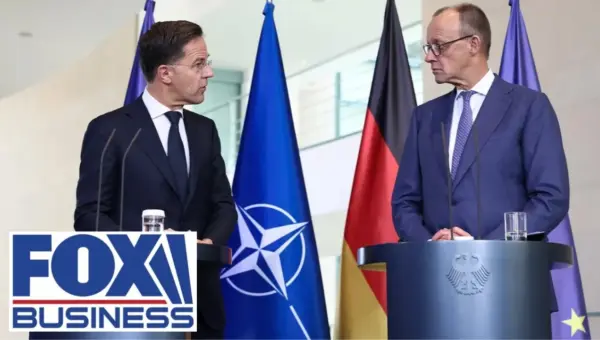
Rutte Faces Backlash: Trump Allies Criticize NATO Chief
NATO Secretary General Jens Stoltenberg's remarks on global safety and Iran's nuclear program have drawn fire from Trump allies. Former State Department official Christian Whiton called Stoltenberg the "odd man out" in Europe, questioning the substance behind his supportive words for U.S. policy. The debate also raises questions about potential U.S. troop realignments within the NATO alliance.